

Impact retreats in Peru's wildest surf town
Impact retreats in Peru's wildest surf town
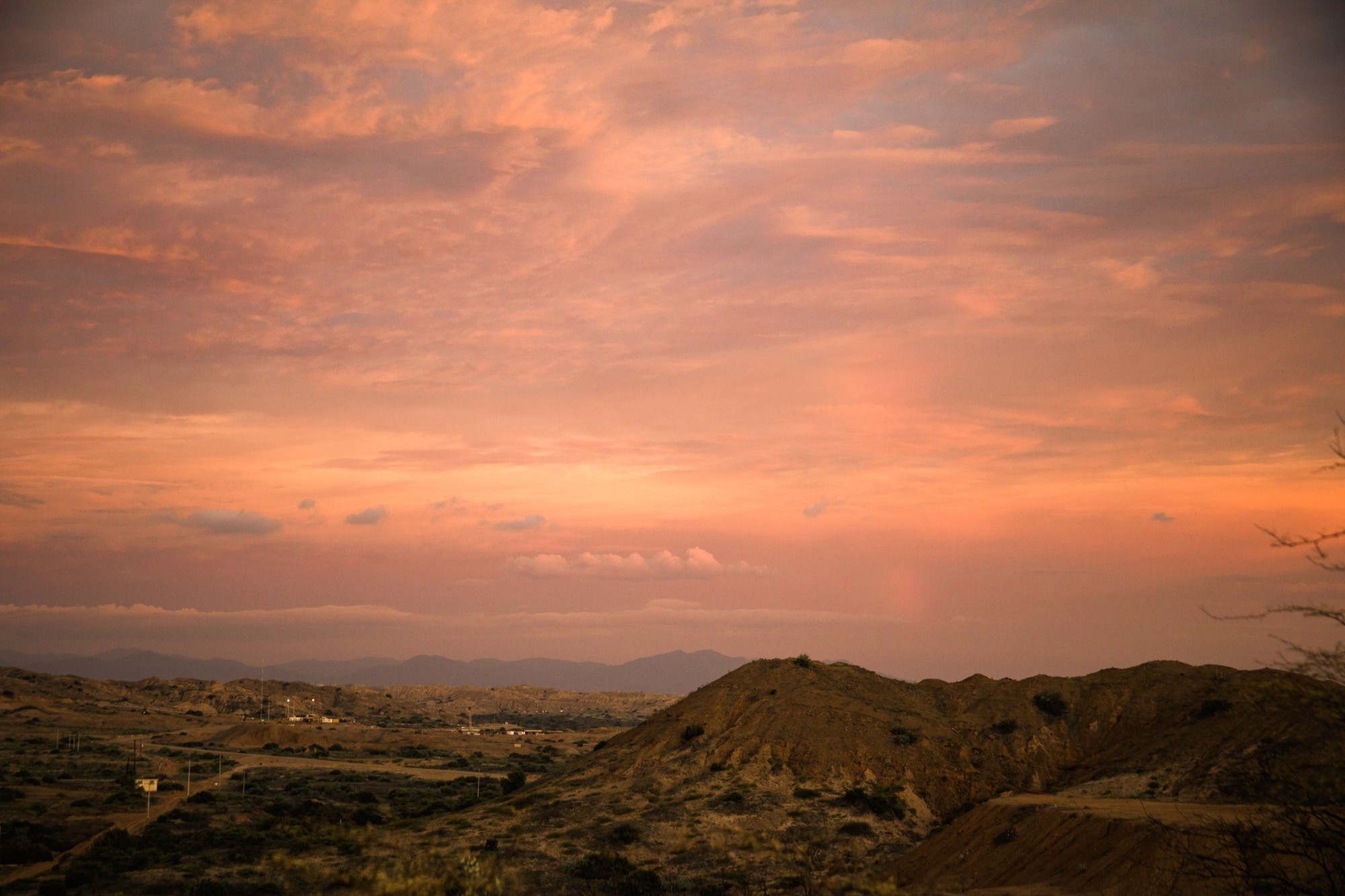
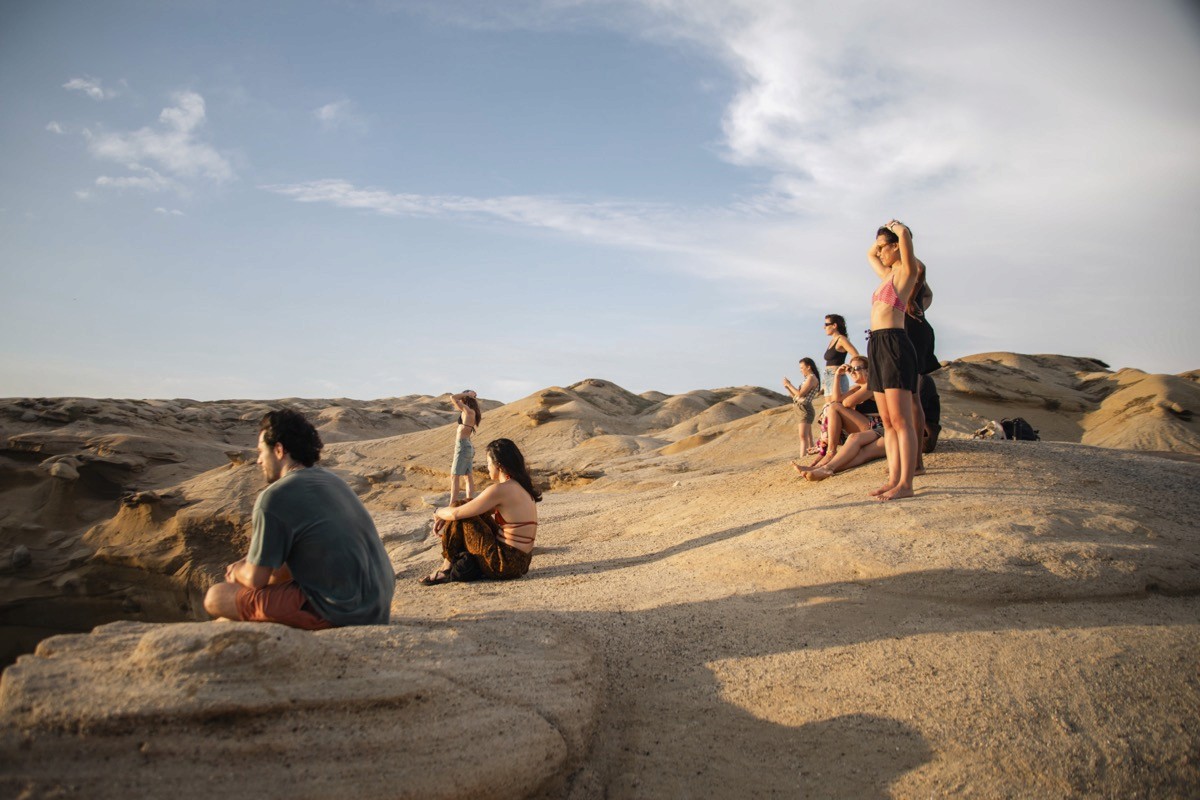
Getting to Lobitos requires some effort. Fly to Lima, connect to Talara, then drive through the desert until you reach a village that feels abandoned and utterly alive at the same time. What was once Latin America's oldest oil settlement, built by British oil companies, abandoned after nationalisation in the late 1960s, is now being reimagined by surfers and artists.
THE SURF HIDEAWAYS ADVANTAGE
Complimentary massage or private photo package (land & surf) when you book with us
Getting to Lobitos requires some effort. Fly to Lima, connect to Talara, then drive through the desert until you reach a village that feels abandoned and utterly alive at the same time. What was once Latin America's oldest oil settlement, built by British oil companies, abandoned after nationalisation in the late 1960s, is now being reimagined by surfers and artists.
THE SURF HIDEAWAYS ADVANTAGE
Complimentary massage or private photo package (land & surf) when you book with us
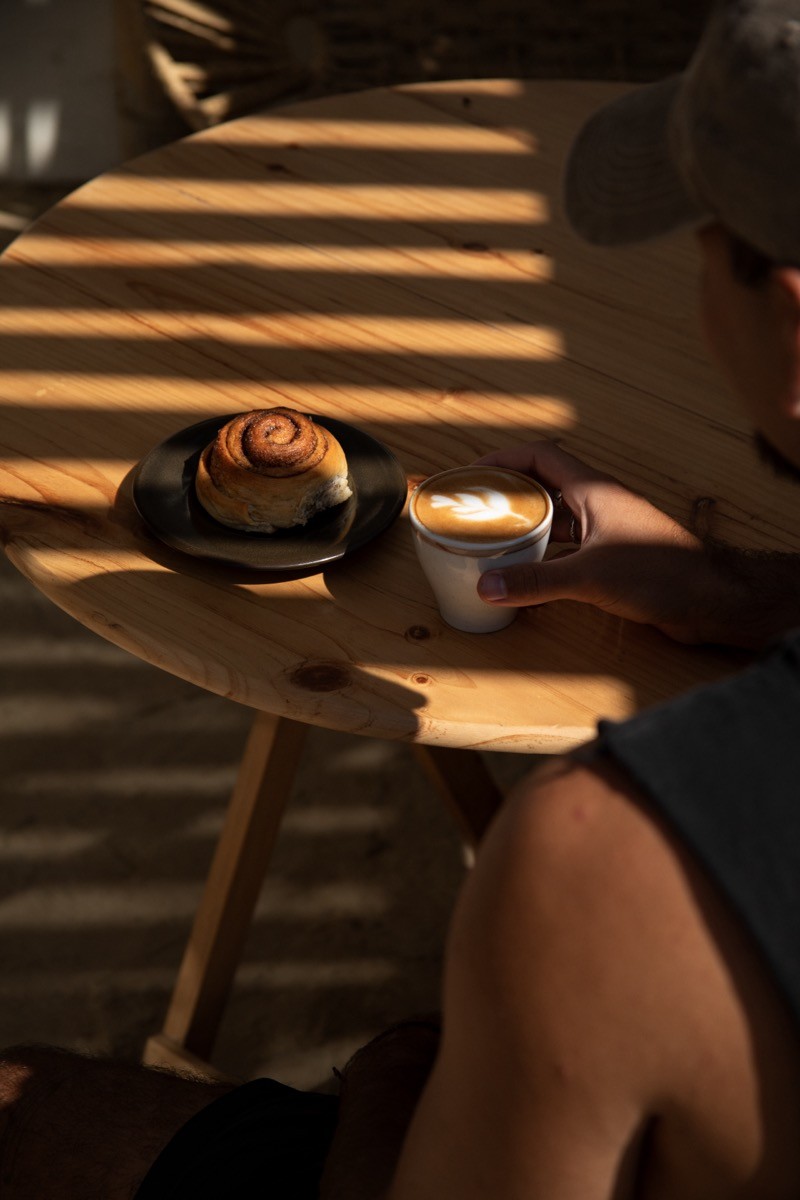
This is where La Onza operates a community café. Psychedelic cumbia in the background, vintage surf books, freshly brewed Peruvian coffee, and a cute dog probably napping by your feet. The whole place hums, like it's been here forever.
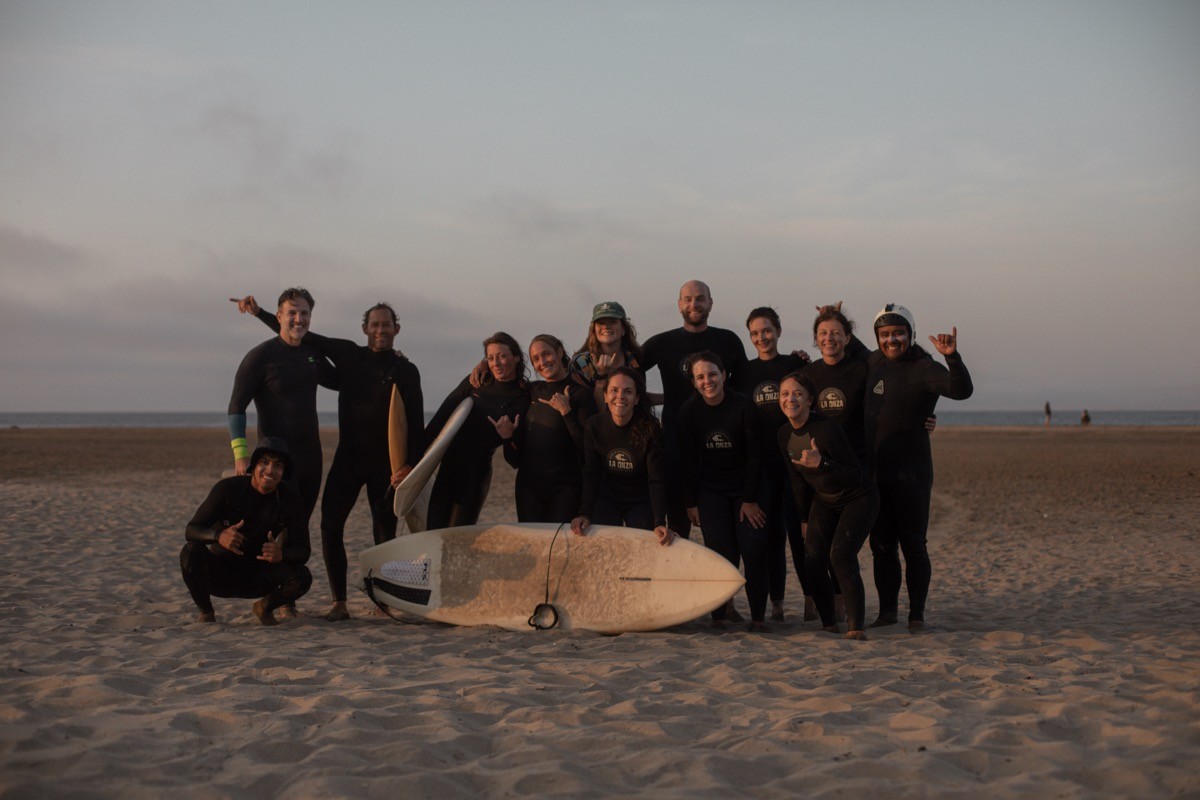
Each year, they host a few surf and yoga retreats. Guests stay at Buena Vista, a guesthouse a block from the beach. The Correa family built it and still live there. They are recognised across Peru as pillars of both the Lobitos community and the national surfing scene. Which makes sense when you realise their son Alonso placed fourth in surfing at the Paris Olympics.
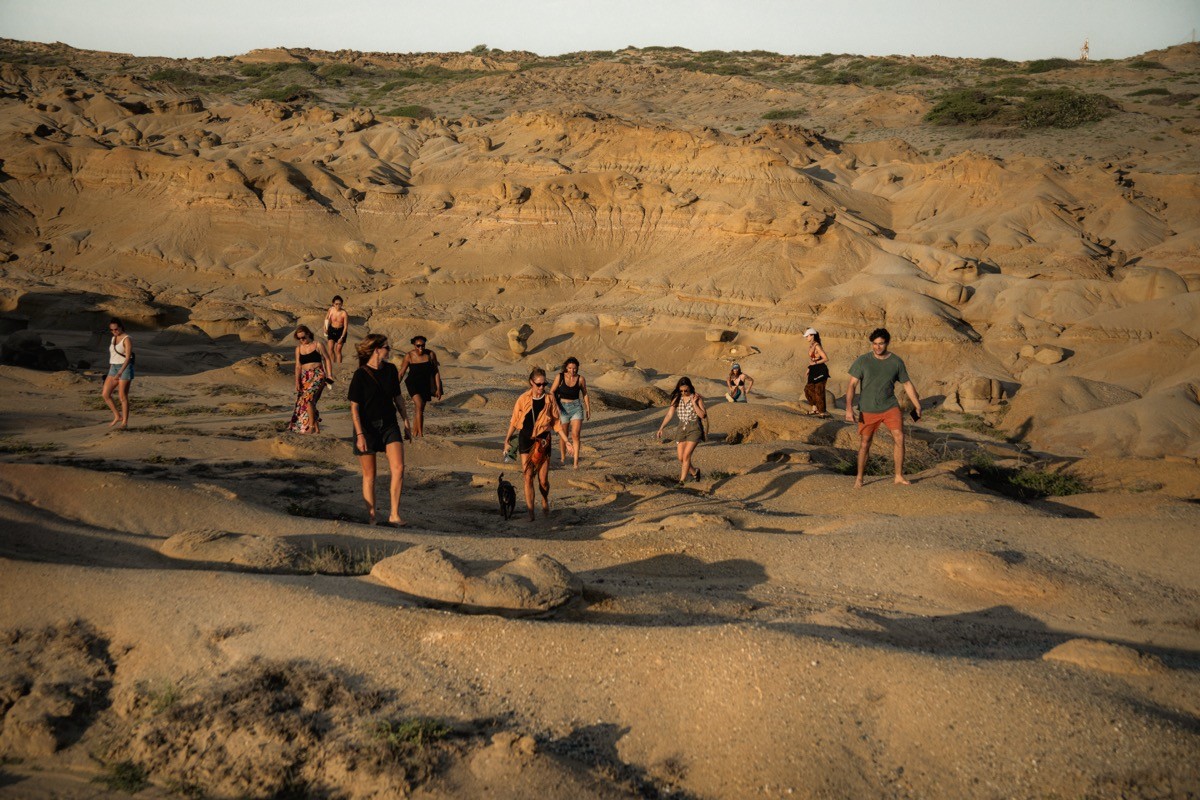
The programme includes elements you don't typically find in a surf retreat: a dinner where local NGOs pitch their projects, adventures to clifftop caves with tales of lost gold and ghostly ships, optional volunteering, and cultural trip extensions.
This is where La Onza operates a community café. Psychedelic cumbia in the background, vintage surf books, freshly brewed Peruvian coffee, and a cute dog probably napping by your feet. The whole place hums, like it's been here forever.
Each year, they host a few surf and yoga retreats. Guests stay at Buena Vista, a guesthouse a block from the beach. The Correa family built it and still live there. They are recognised across Peru as pillars of both the Lobitos community and the national surfing scene. Which makes sense when you realise their son Alonso placed fourth in surfing at the Paris Olympics.
The programme includes elements you don't typically find in a surf retreat: a dinner where local NGOs pitch their projects, adventures to clifftop caves with tales of lost gold and ghostly ships, optional volunteering, and cultural trip extensions.
Rooms
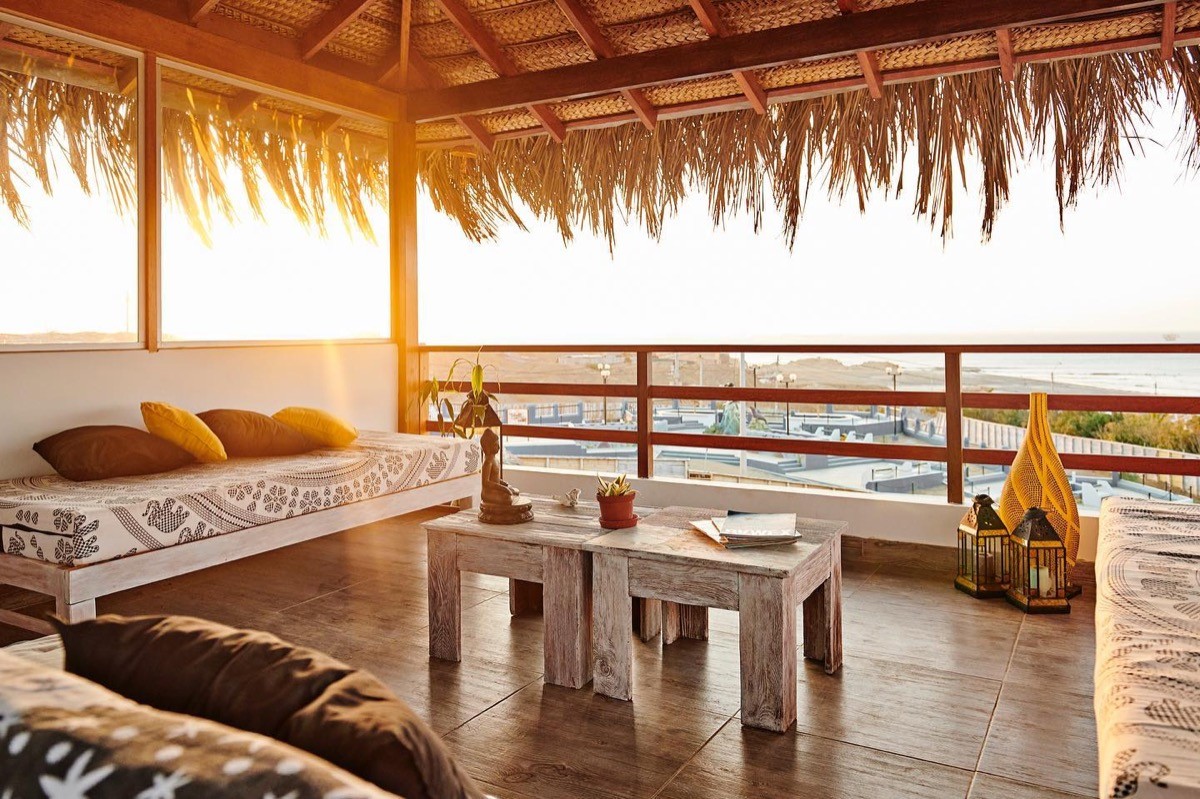
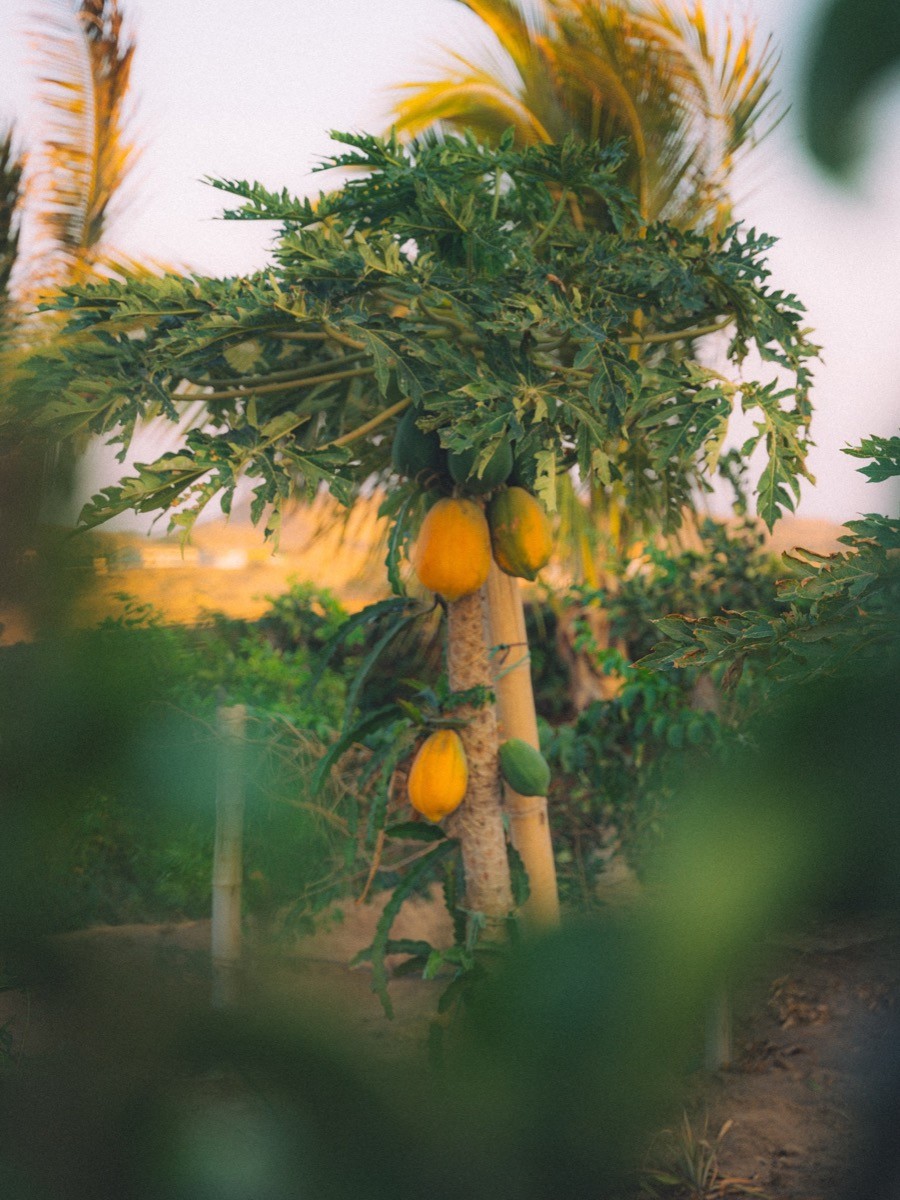
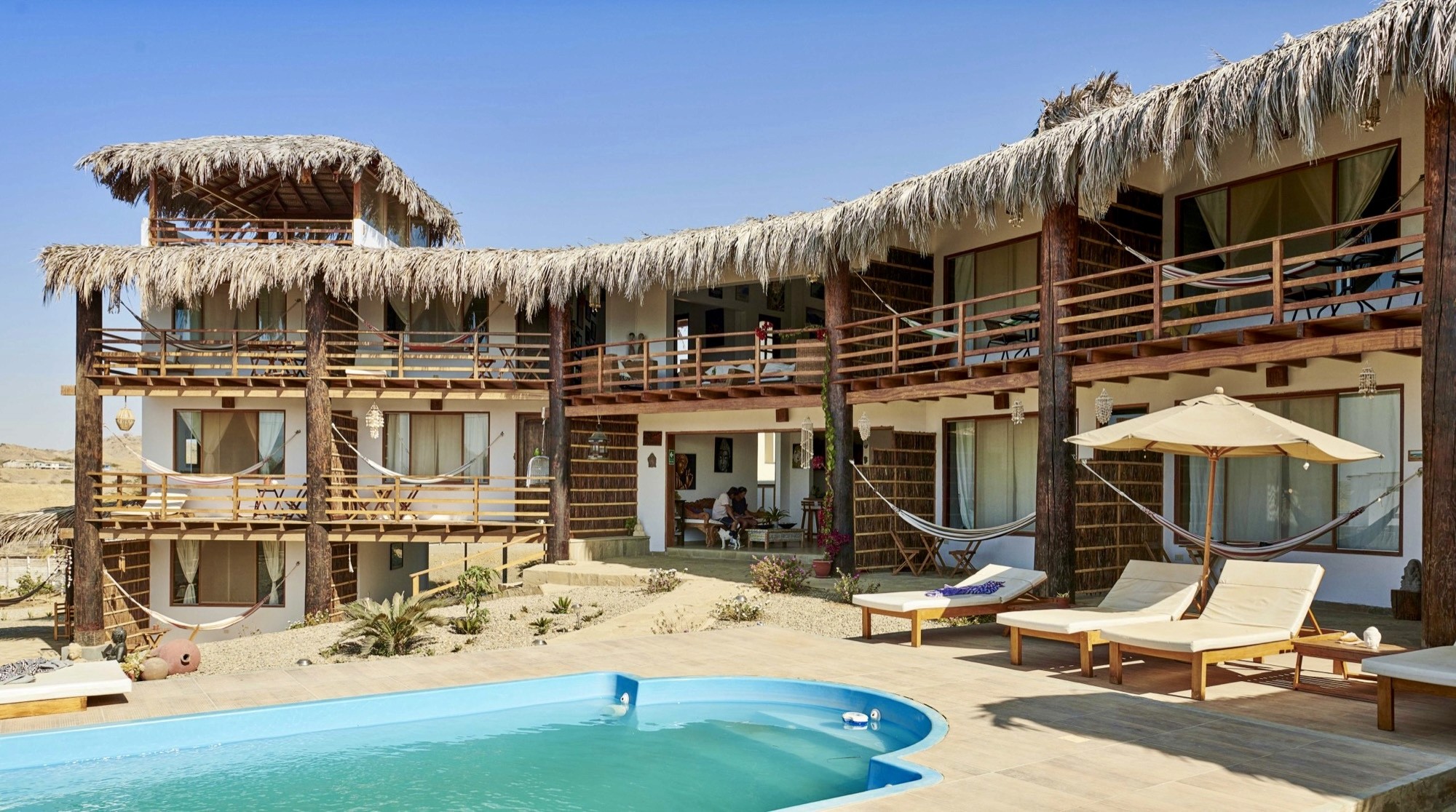
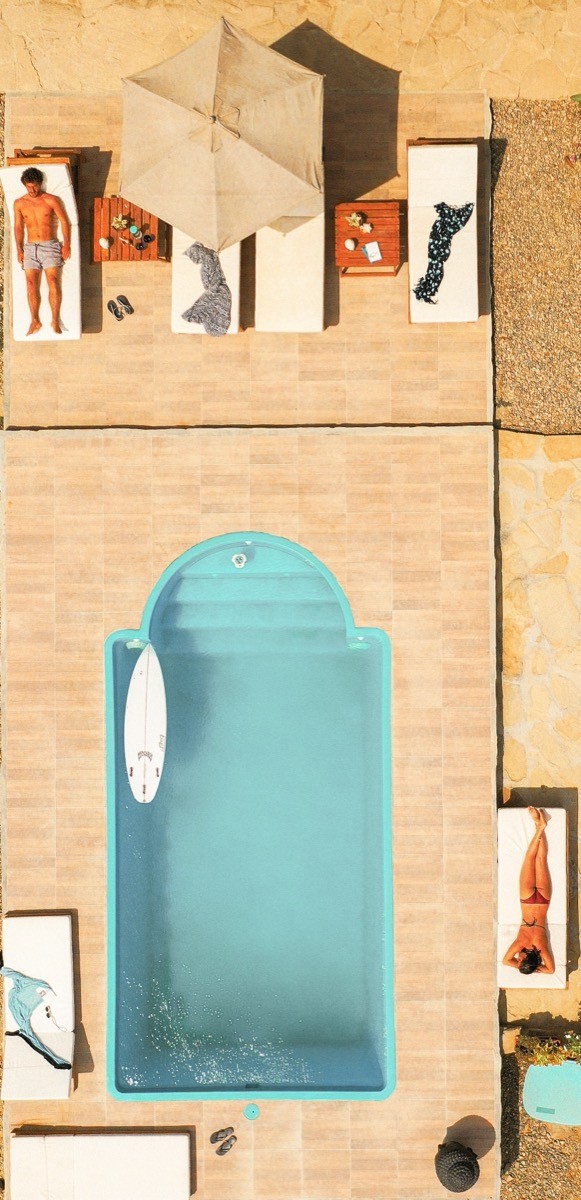
Buena Vista is one of Lobitos' original surf lodges. The Correa family has poured care into every detail: the lush fruit garden surrounding the pool, the Indonesian pieces they collected, and the mirador tower to survey multiple breaks at once.
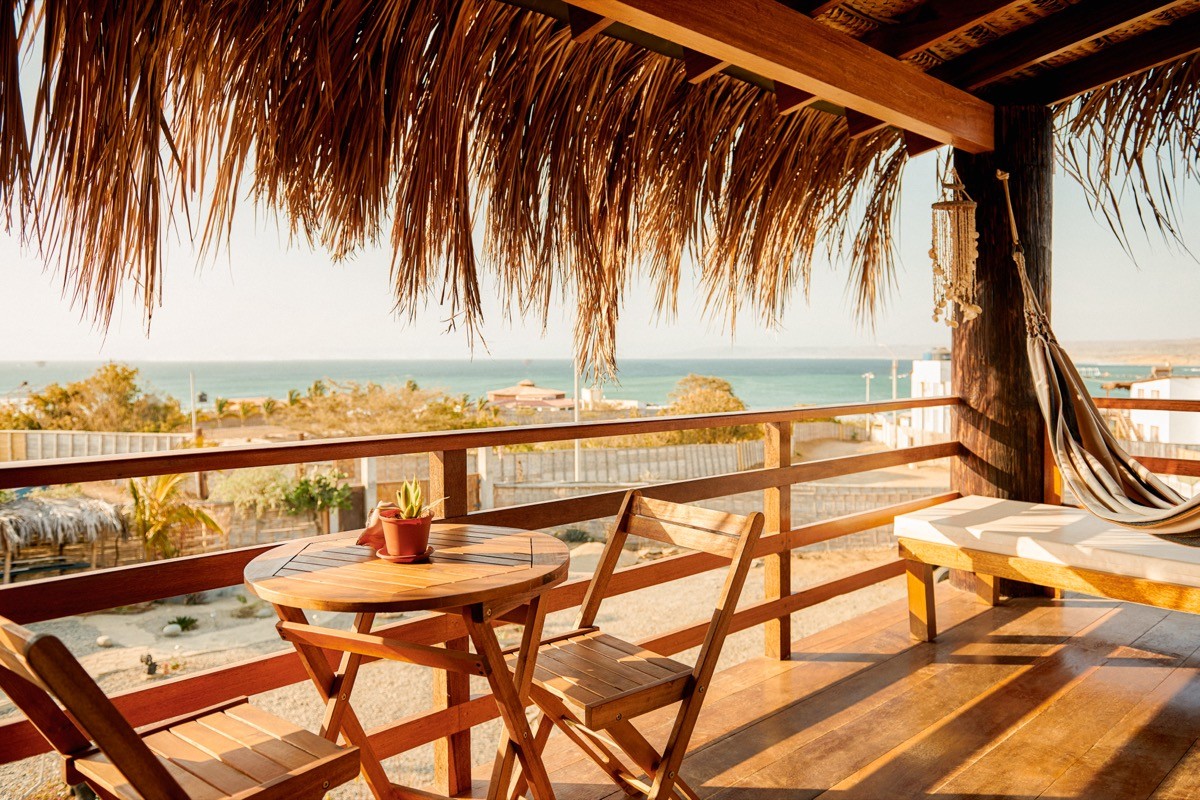
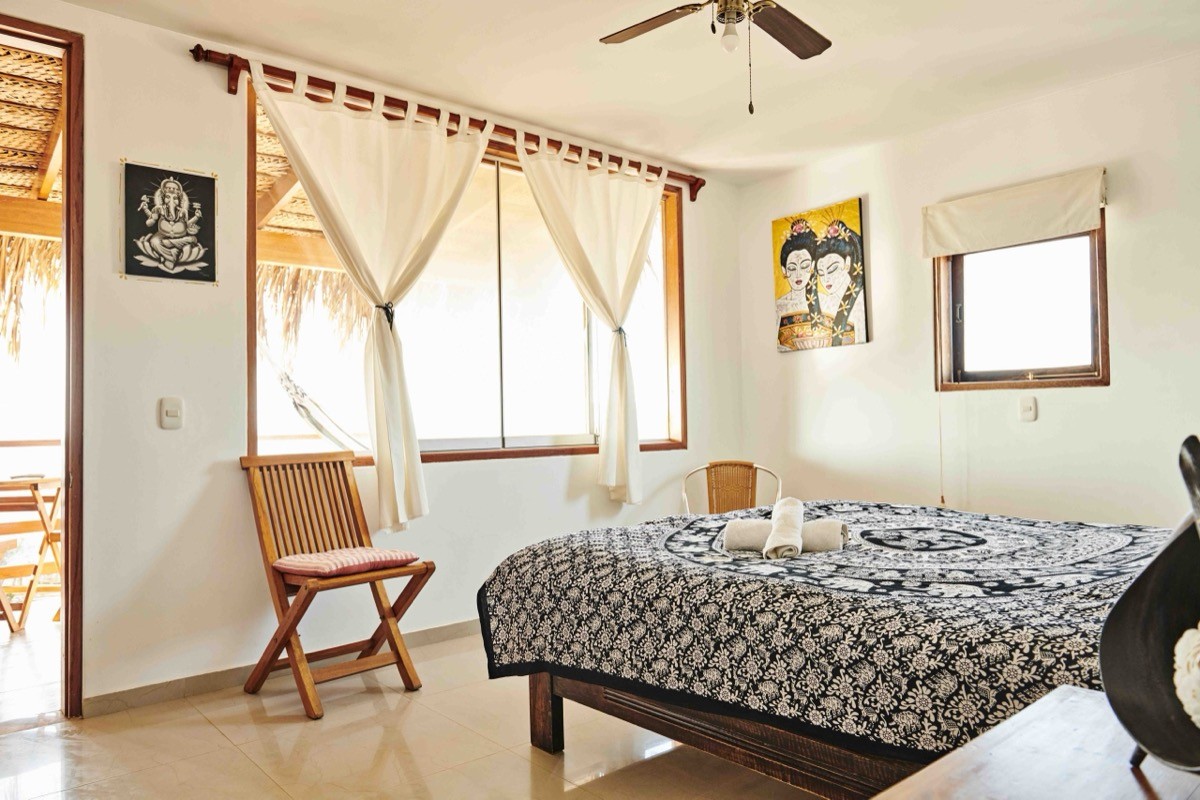
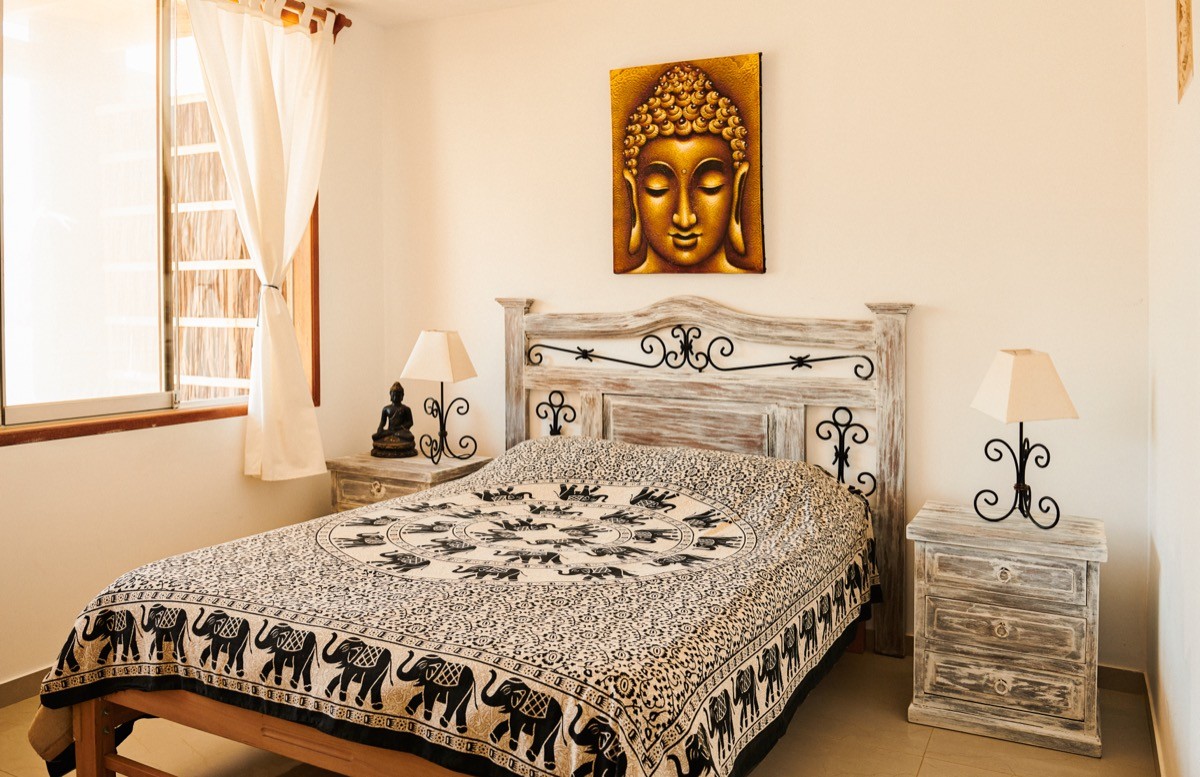
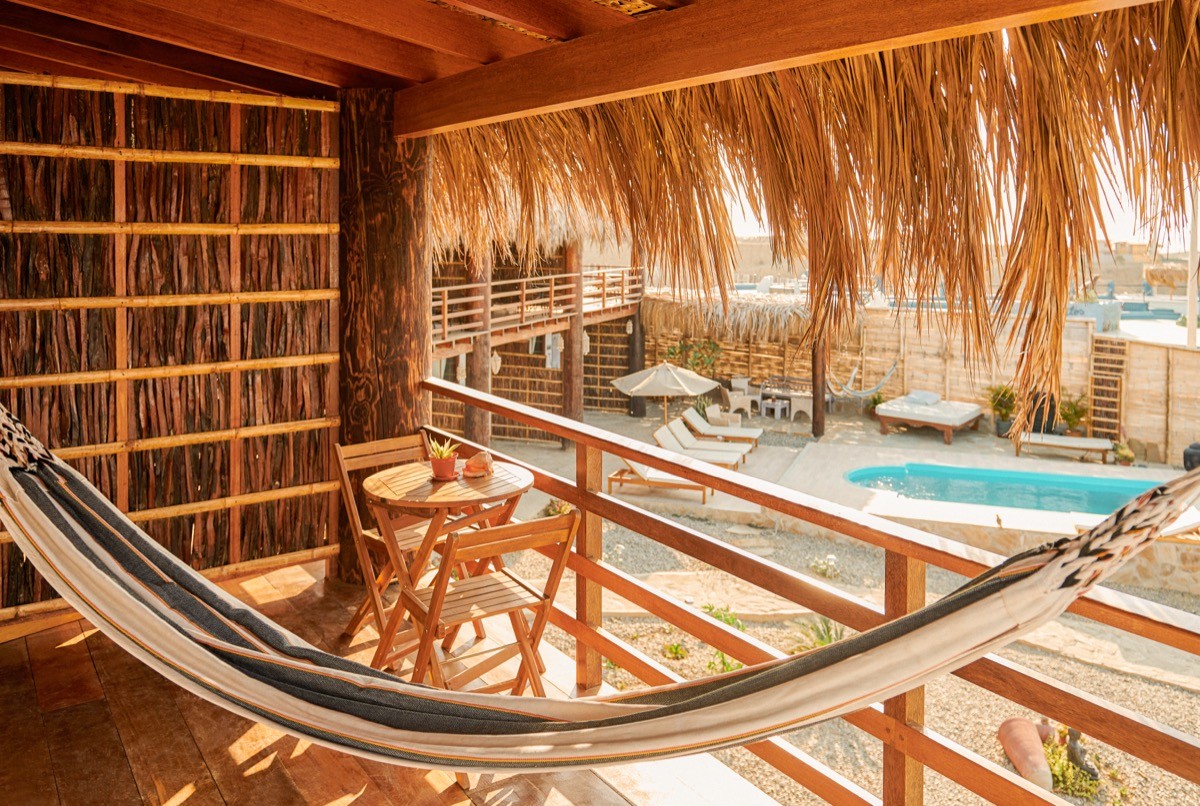
Fourteen rooms spread across two floors. Every single one has a balcony or terrace with a hammock facing the ocean. Rooms are functional and comfortable. Private bathrooms with hot water (not a given in remote Peru), air conditioning and Wi-Fi that actually work.
Retreat guests have their private accommodations. Double rooms suit couples or solo travellers wanting solitude. Larger rooms with multiple beds can accommodate groups of friends.
Buena Vista is one of Lobitos' original surf lodges. The Correa family has poured care into every detail: the lush fruit garden surrounding the pool, the Indonesian pieces they collected, and the mirador tower to survey multiple breaks at once.
Fourteen rooms spread across two floors. Every single one has a balcony or terrace with a hammock facing the ocean. Rooms are functional and comfortable. Private bathrooms with hot water (not a given in remote Peru), air conditioning and Wi-Fi that actually work.
Retreat guests have their private accommodations. Double rooms suit couples or solo travellers wanting solitude. Larger rooms with multiple beds can accommodate groups of friends.
Food & Drinks
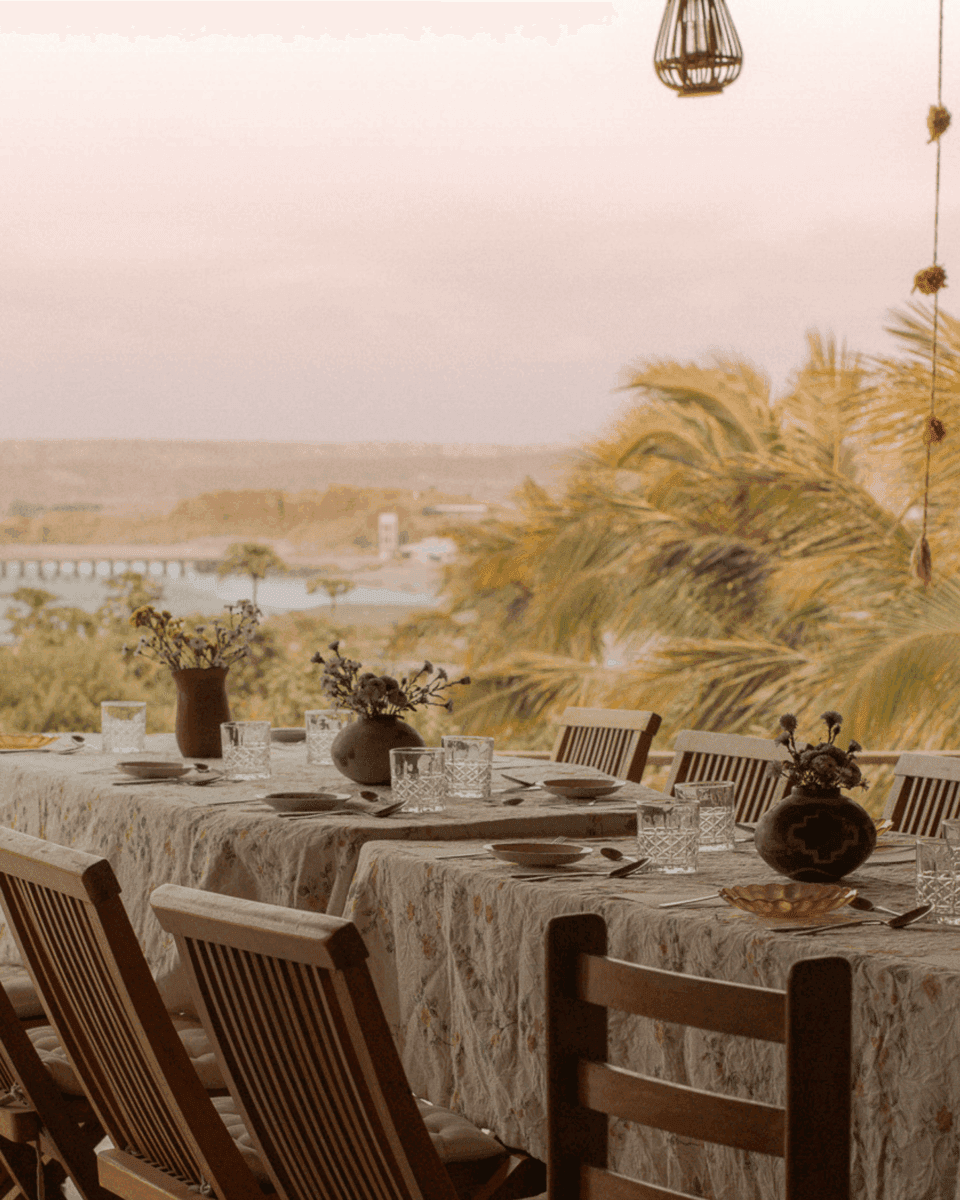
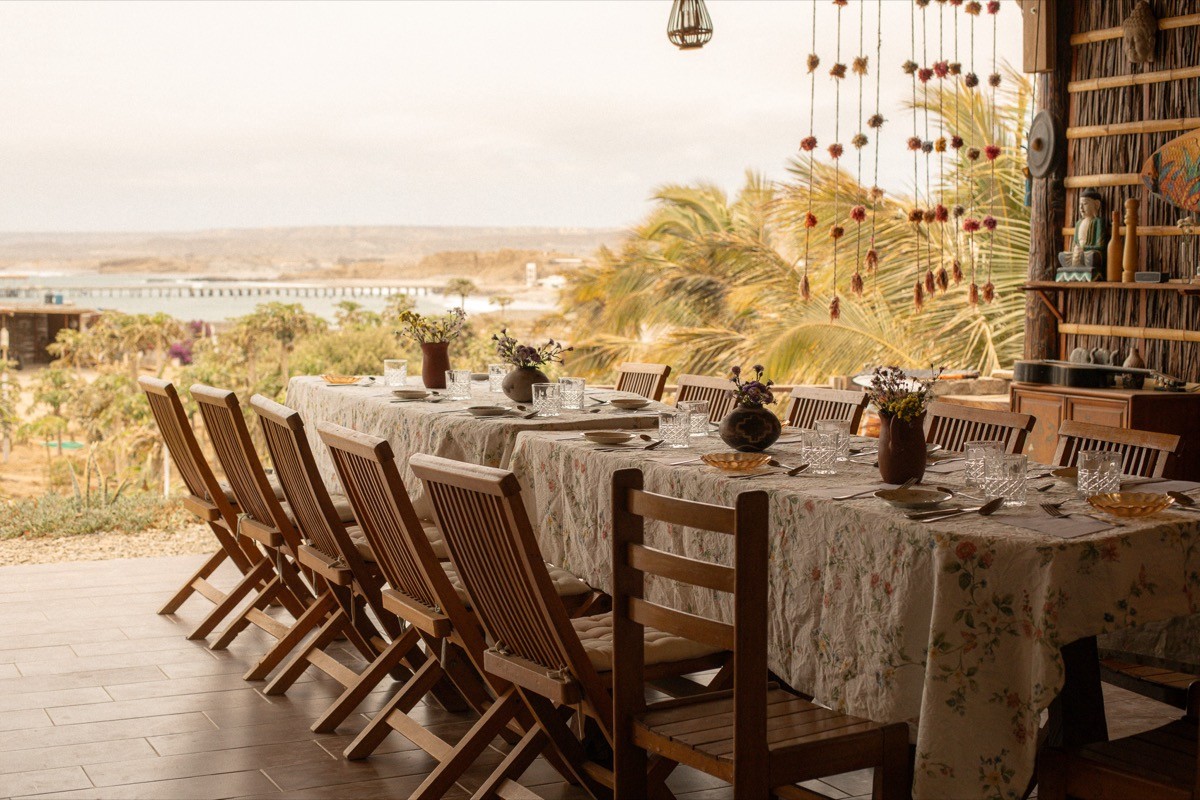
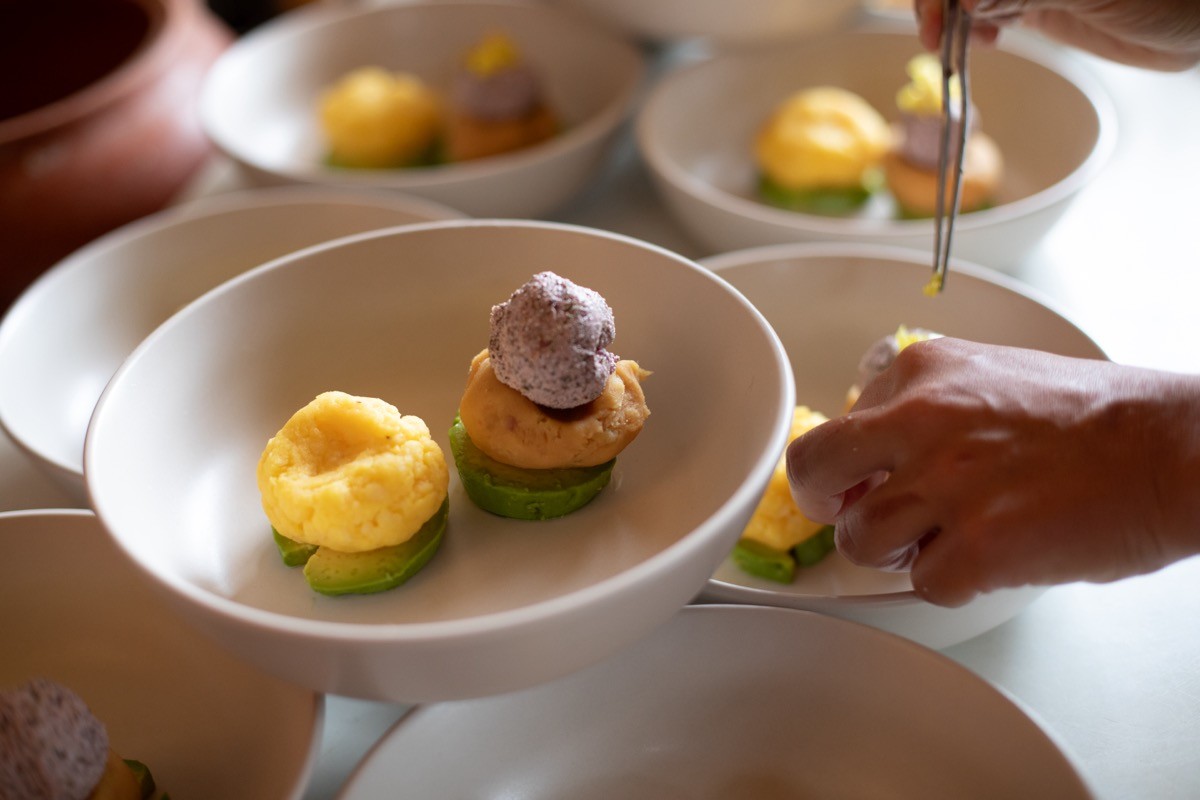
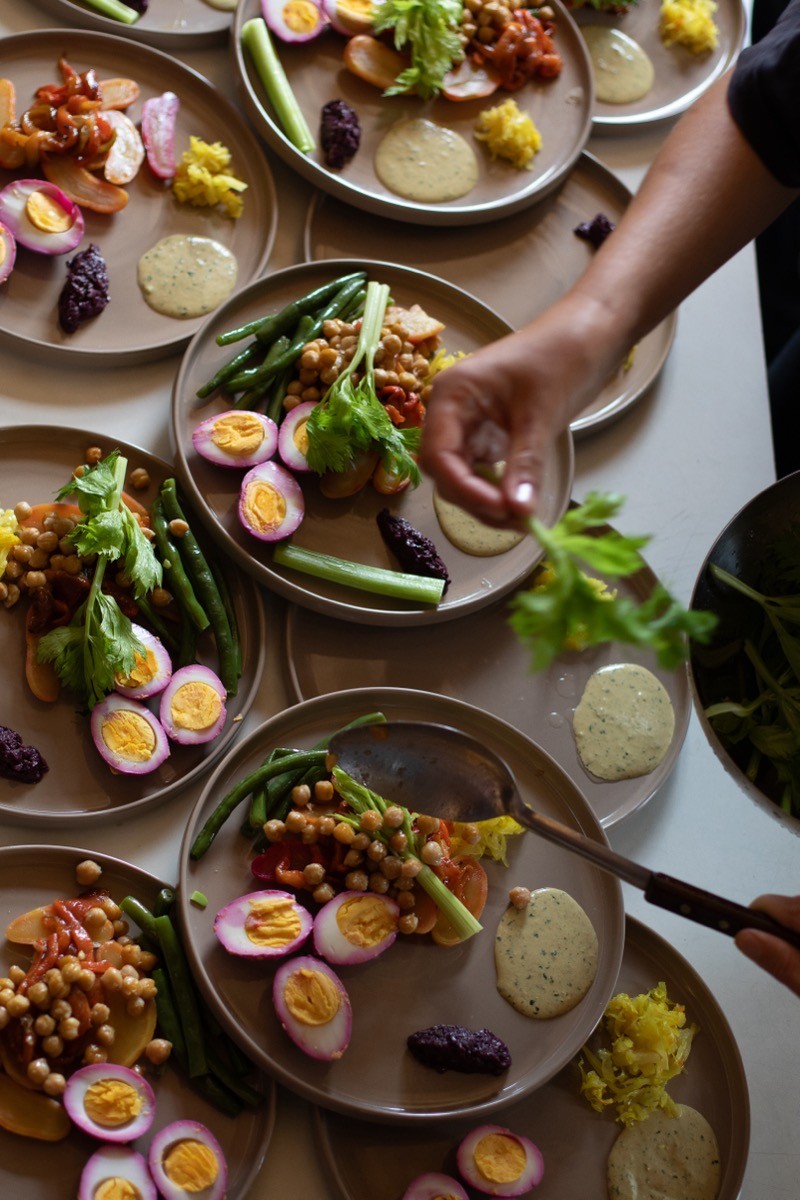
The first few nights, private chef Tristana Perroncel cooks at Buena Vista. Her approach centres on colourful, plant-forward Peruvian-Mediterranean dishes with fish from that morning's catch. Clean, nourishing, flavourful, designed to help guests land gently and attune to Peru.
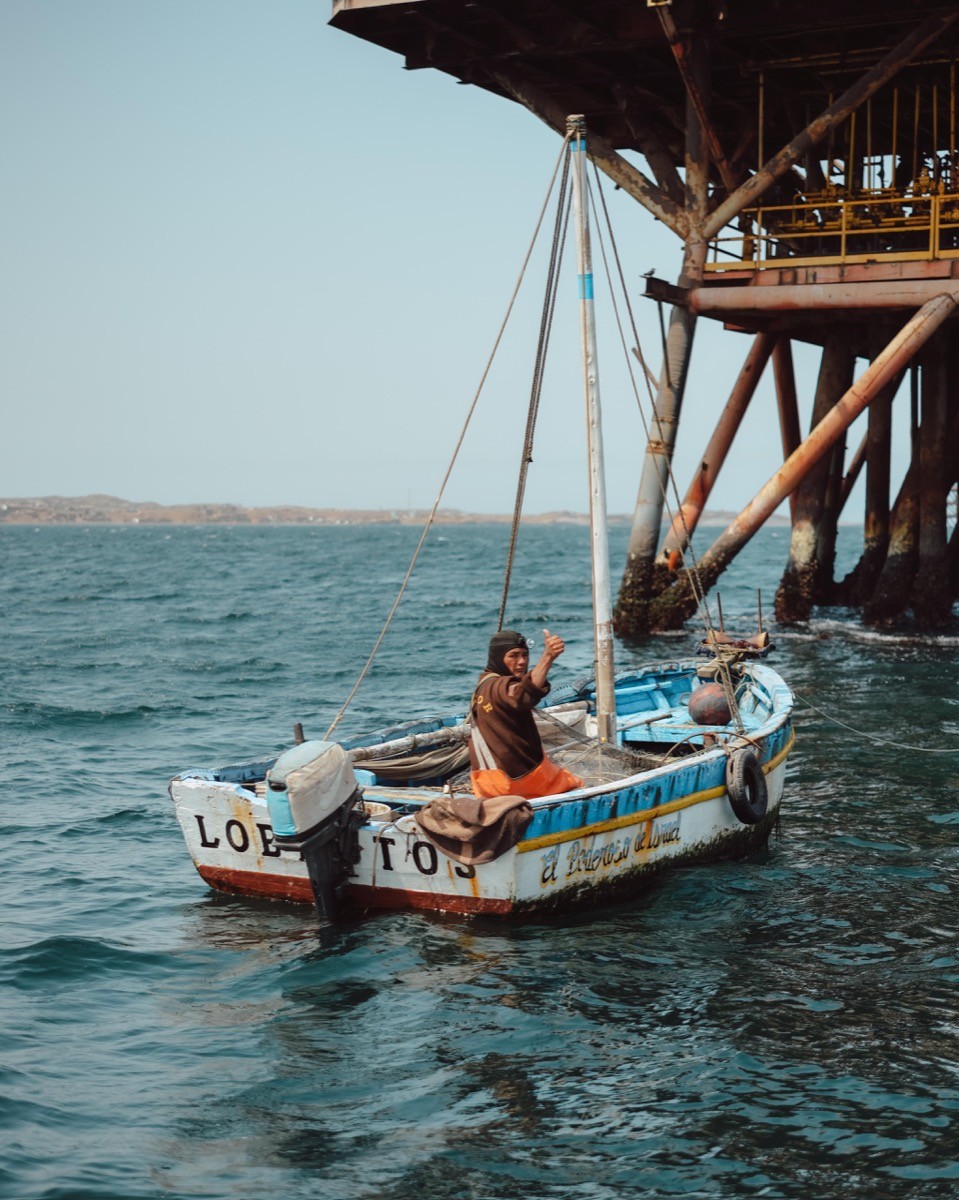
Then the retreat opens out into Lobitos. Lunch might happen in a family's living room turned restaurant, where a señora serves lomo saltado and doesn't speak English and it doesn't matter. You can also join a local fisherman for a traditional boat trip with a live ceviche-making lesson onboard. The goodbye dinner is at Akua, the local restaurant where the surf community gathers. These aren't orchestrated cultural moments; they're how the founders ensure tourism directly supports the local community.
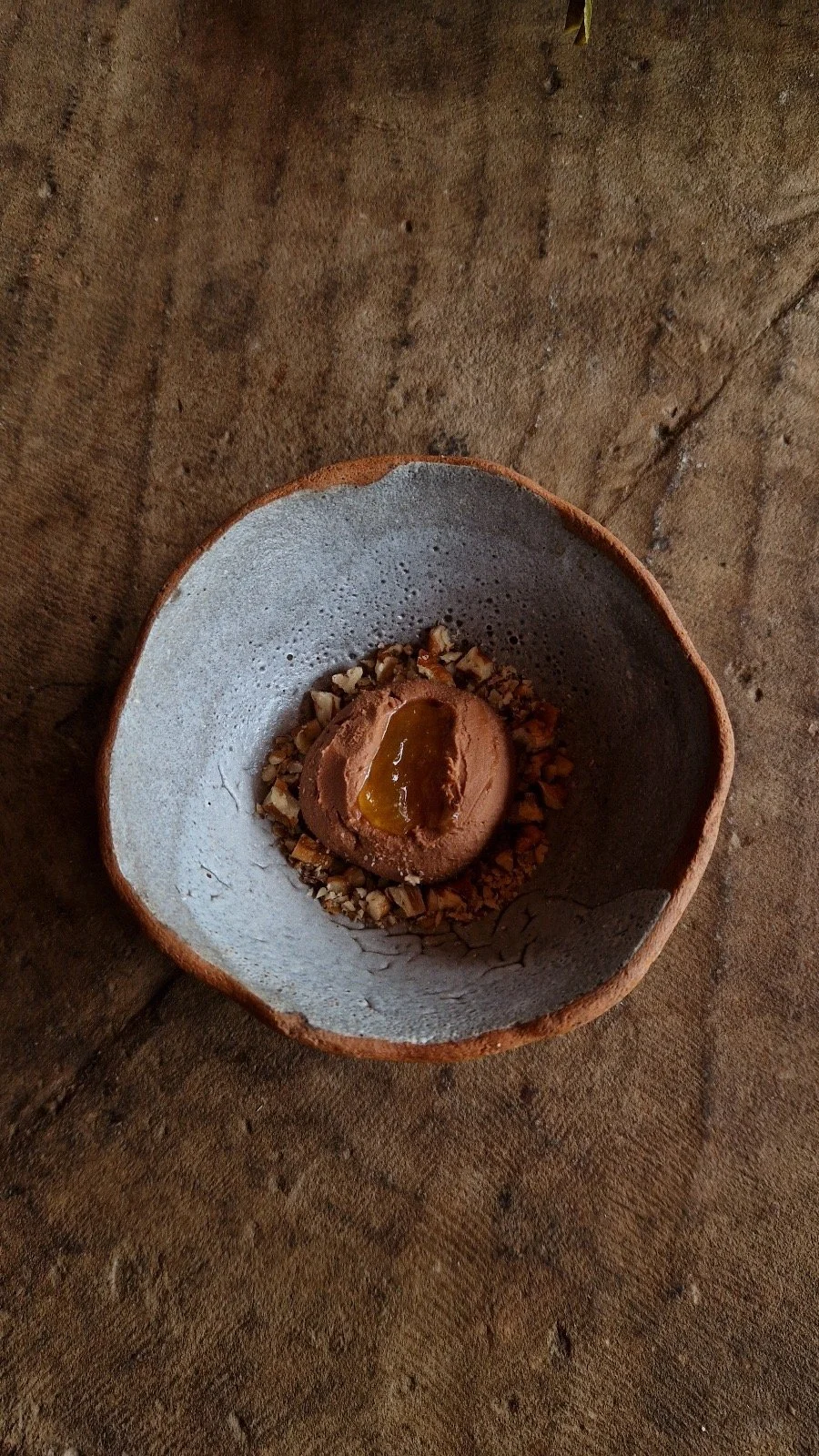
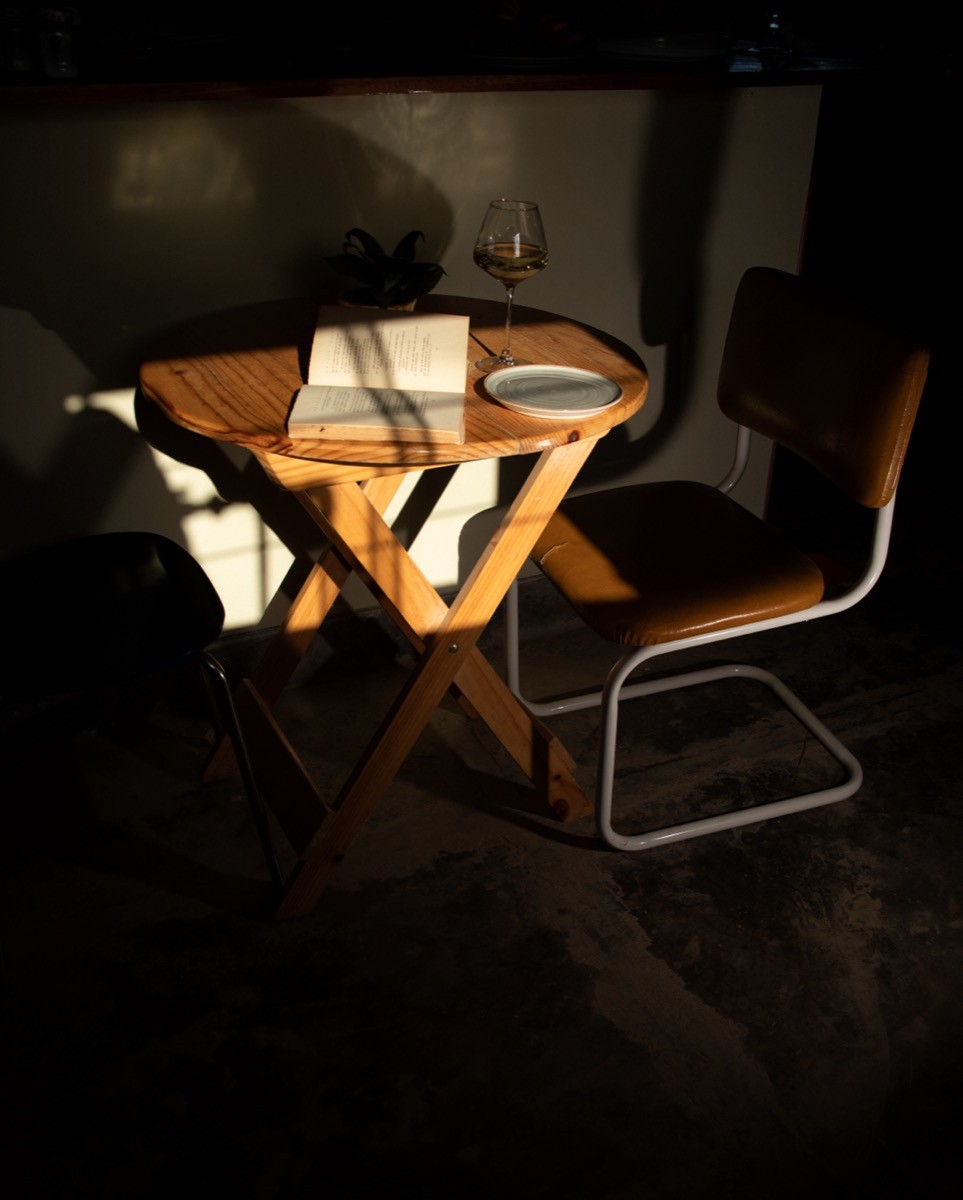
La Onza Café keeps its menu short and focused: avocado toasts, smoothie bowls, the best waffles in town. The coffee is proper Peruvian, from a single Cusco estate that's been growing beans for fifty years. Baked goods come from the community: homemade bread from Moisés, banana bread from Loana, cakes from Juan Diego, cheesecake from Emma. Afternoons often find guests nursing flat whites, sandy-haired and lightly sunburnt. By sunset the espresso machine quiets, and wine appears.
Dietary needs are handled without fuss. Vegetarians eat well. Vegans eat well. Everyone eats together (and well).
The first few nights, private chef Tristana Perroncel cooks at Buena Vista. Her approach centres on colourful, plant-forward Peruvian-Mediterranean dishes with fish from that morning's catch. Clean, nourishing, flavourful, designed to help guests land gently and attune to Peru.
Then the retreat opens out into Lobitos. Lunch might happen in a family's living room turned restaurant, where a señora serves lomo saltado and doesn't speak English and it doesn't matter. You can also join a local fisherman for a traditional boat trip with a live ceviche-making lesson onboard. The goodbye dinner is at Akua, the local restaurant where the surf community gathers. These aren't orchestrated cultural moments; they're how the founders ensure tourism directly supports the local community.
La Onza Café keeps its menu short and focused: avocado toasts, smoothie bowls, the best waffles in town. The coffee is proper Peruvian, from a single Cusco estate that's been growing beans for fifty years. Baked goods come from the community: homemade bread from Moisés, banana bread from Loana, cakes from Juan Diego, cheesecake from Emma. Afternoons often find guests nursing flat whites, sandy-haired and lightly sunburnt. By sunset the espresso machine quiets, and wine appears.
Dietary needs are handled without fuss. Vegetarians eat well. Vegans eat well. Everyone eats together (and well).
Surfing
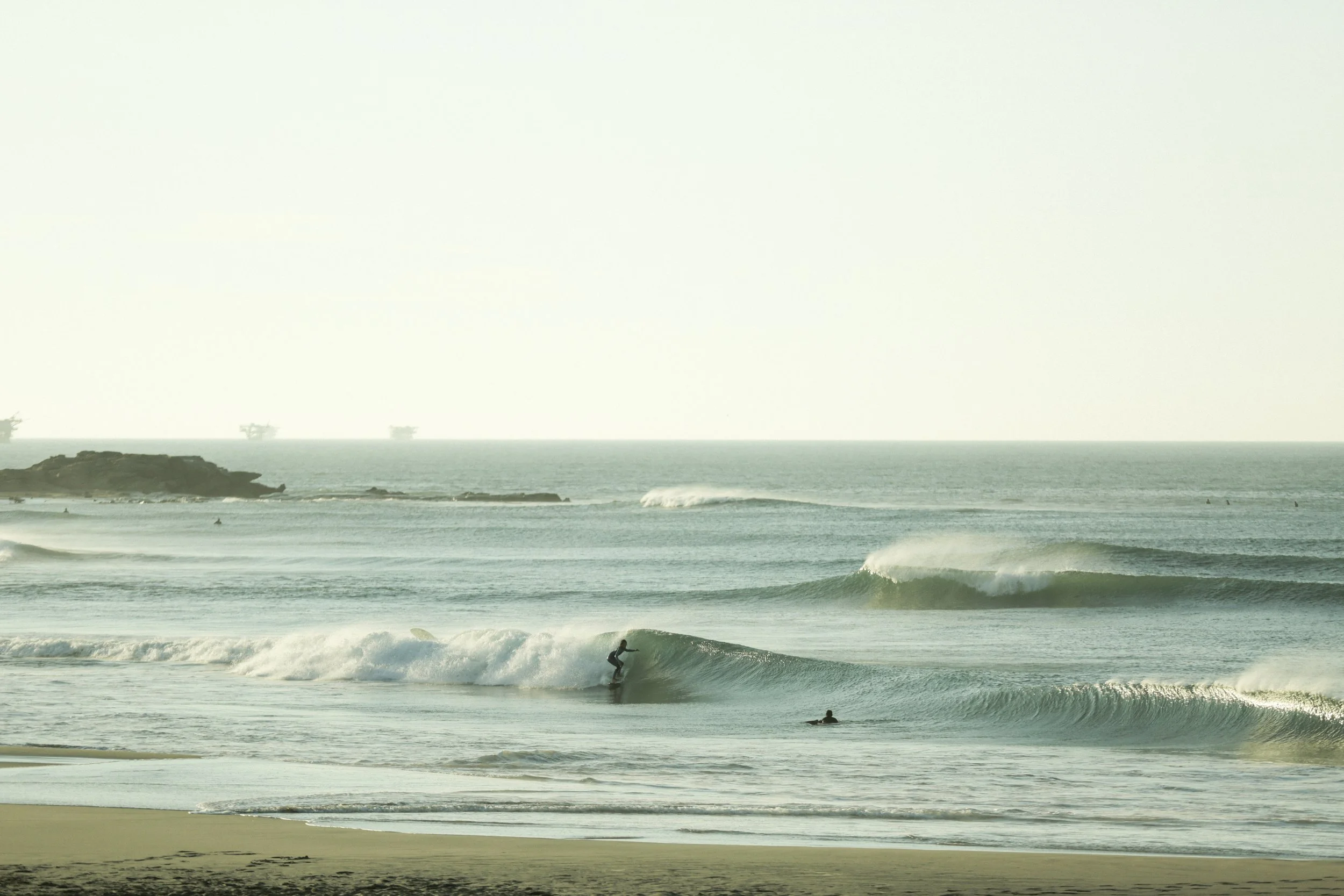
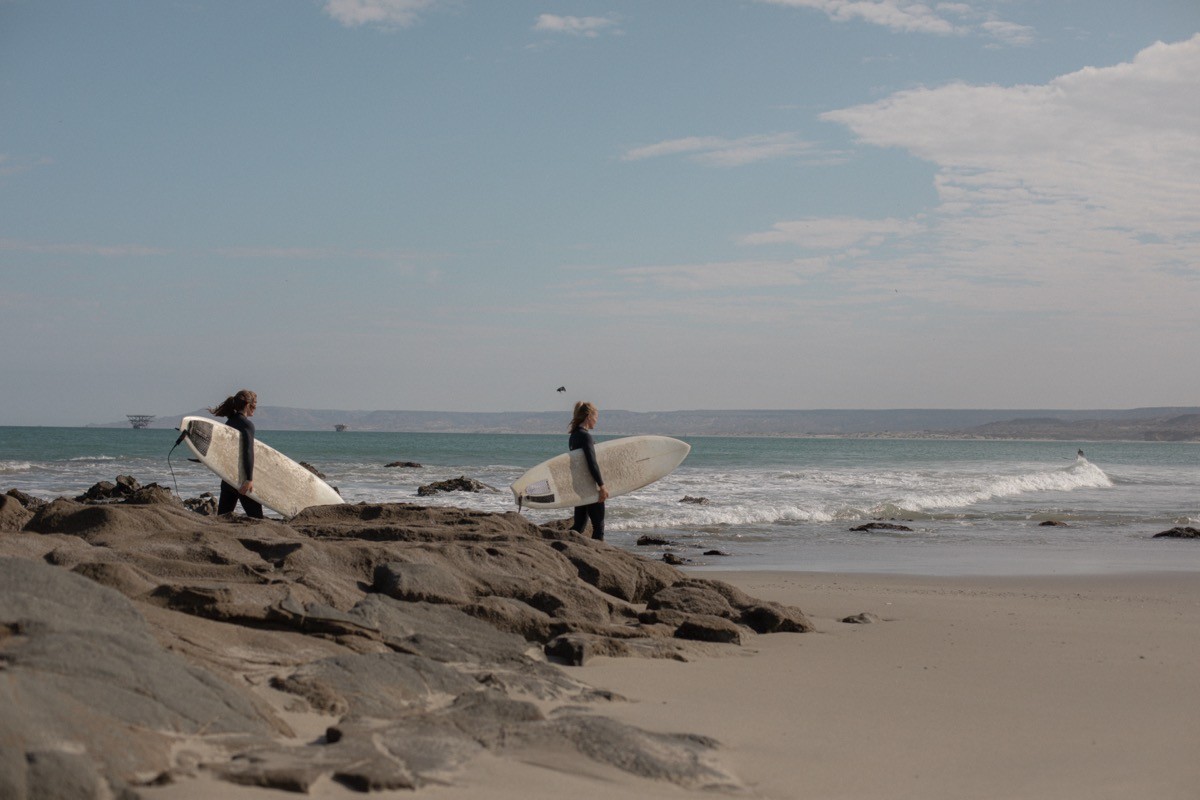
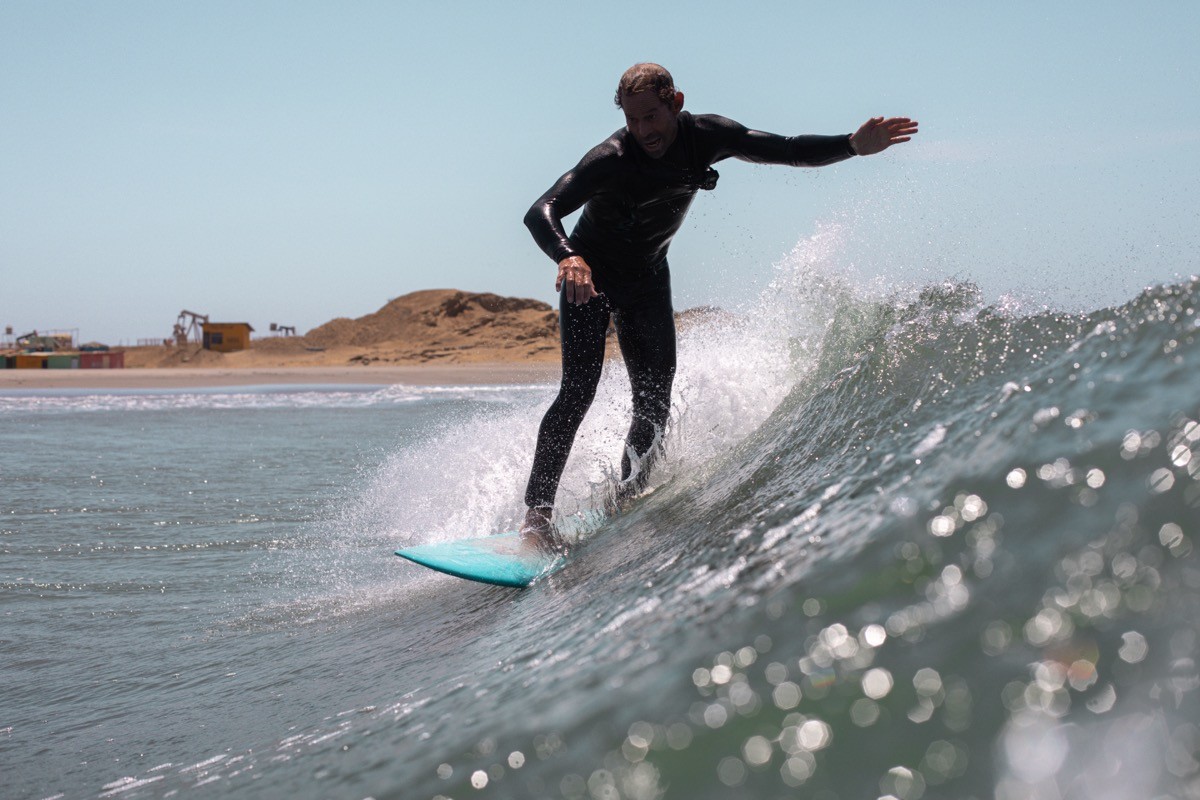
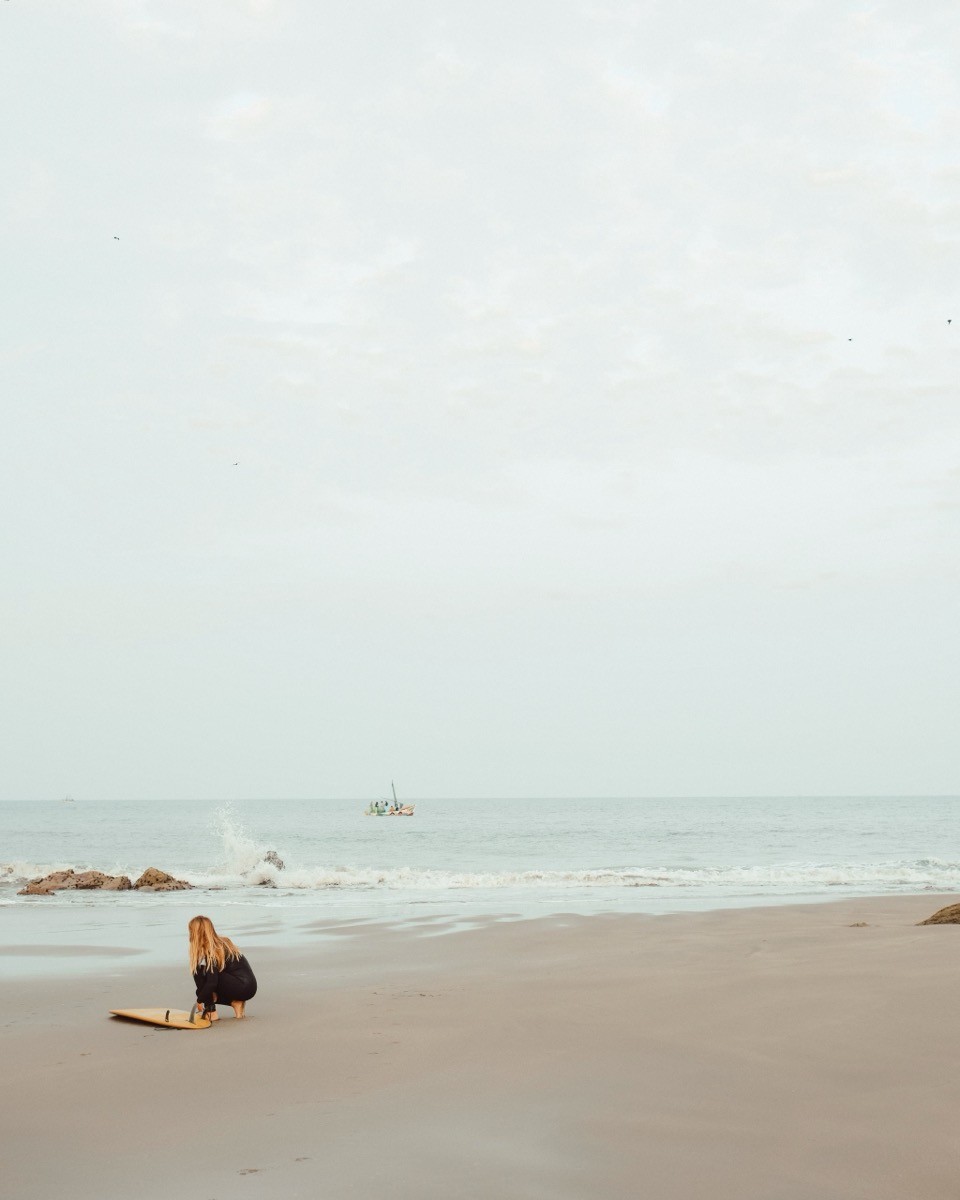
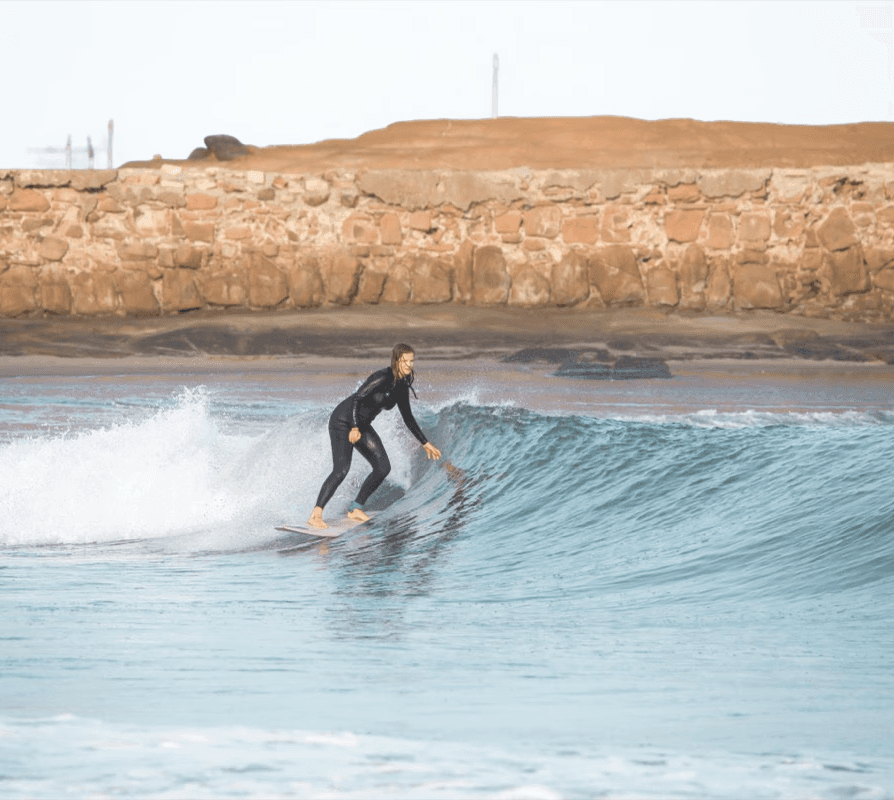
The scenery is striking: rusting oil derricks on the cliffs, desert meeting ocean, uncrowded waves. Northern Peru is the land of the lefts. It picks up both north and south swells, making Lobitos remarkably consistent year-round.
Lobitos Point, a long point break rolling across sandy bottoms, can run 300-400 metres on a good swell. The outside section, El Hueco, barrels over reef when it's pumping. Nearby, Piscinas offers cleaner walls. Within an hour drive, you will find another 15 breaks, not all named.
Harold Koechlin leads coaching. He's trained pro surfers competing in the ISA and WSL, worked with athletes towards Olympic qualification. Twenty years of experience shows in how he structures progression. Between retreats, he is known for his guided surf trips in Northern Peru. The team maintains a 1:2 coach-to-surfer ratio. Bruno Lazo, one of Lobitos’ best surfers, handles intermediates. Johnny focuses on beginners with his famous ”power breathing” technique to help them get in the zone.
Eight surf sessions across seven days, plus three theory and drone/video analysis workshops. The analysis sessions involve watching footage of yourself, while Harold and his team break down your positioning, paddle technique, and the three strokes you should have taken but didn't. Surfboards are included, and so are wetsuits. The Humboldt Current keeps the water cool, so you'll need one even near the equator.
The scenery is striking: rusting oil derricks on the cliffs, desert meeting ocean, uncrowded waves. Northern Peru is the land of the lefts. It picks up both north and south swells, making Lobitos remarkably consistent year-round.
Lobitos Point, a long point break rolling across sandy bottoms, can run 300-400 metres on a good swell. The outside section, El Hueco, barrels over reef when it's pumping. Nearby, Piscinas offers cleaner walls. Within an hour drive, you will find another 15 breaks, not all named.
Harold Koechlin leads coaching. He's trained pro surfers competing in the ISA and WSL, worked with athletes towards Olympic qualification. Twenty years of experience shows in how he structures progression. Between retreats, he is known for his guided surf trips in Northern Peru. The team maintains a 1:2 coach-to-surfer ratio. Bruno Lazo, one of Lobitos’ best surfers, handles intermediates. Johnny focuses on beginners with his famous ”power breathing” technique to help them get in the zone.
Eight surf sessions across seven days, plus three theory and drone/video analysis workshops. The analysis sessions involve watching footage of yourself, while Harold and his team break down your positioning, paddle technique, and the three strokes you should have taken but didn't. Surfboards are included, and so are wetsuits. The Humboldt Current keeps the water cool, so you'll need one even near the equator.
Activities
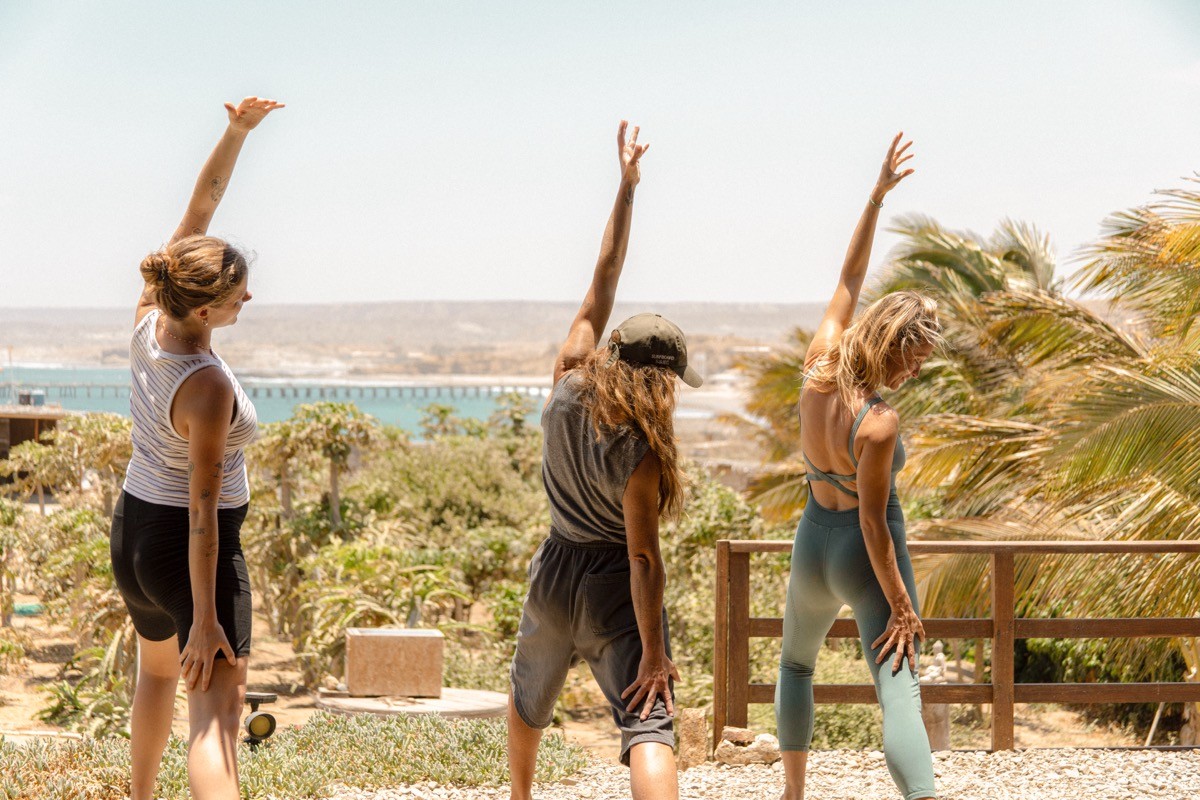
Danielle Harbord, a New York teacher with 24 years of practice, leads daily yoga sessions on specific weeks. Expect shoulder openers, balance work, and core strength that actually relates to surfing. Her vibe and music selection are part of why people return.
Massage, reiki and acupuncture are available as add-ons for those whose shoulders are staging a protest. There's a small gym at the hotel, a pool for gentle laps, and plenty of hammocks for strategic napping.
Midweek, the group ventures to Playa Las Capullanas for sunset. The site connects to local indigenous women and the area's layered history: tales of lost gold, ghostly ships in caves, remnants of the oil boom. Later, a "Dolphin Tank" dinner brings guests together with local NGOs presenting their work. Guests can volunteer with local skate or surf programmes for kids. Or join dance and art classes led by local artists in refurbished warehouses, remnants of Lobitos' early 20th-century oil boom.
The retreat leaves space for actual rest: unstructured time to read, nap, or do nothing. The week closes with a party at La Onza Café, live music with locals, a chance to let loose with the people you've met along the way. For those wanting more of Peru, La Onza arranges optional trip extensions to Machu Picchu, Cusco, the Sacred Valley, and the Amazon.
Danielle Harbord, a New York teacher with 24 years of practice, leads daily yoga sessions on specific weeks. Expect shoulder openers, balance work, and core strength that actually relates to surfing. Her vibe and music selection are part of why people return.
Massage, reiki and acupuncture are available as add-ons for those whose shoulders are staging a protest. There's a small gym at the hotel, a pool for gentle laps, and plenty of hammocks for strategic napping.
Midweek, the group ventures to Playa Las Capullanas for sunset. The site connects to local indigenous women and the area's layered history: tales of lost gold, ghostly ships in caves, remnants of the oil boom. Later, a "Dolphin Tank" dinner brings guests together with local NGOs presenting their work. Guests can volunteer with local skate or surf programmes for kids. Or join dance and art classes led by local artists in refurbished warehouses, remnants of Lobitos' early 20th-century oil boom.
The retreat leaves space for actual rest: unstructured time to read, nap, or do nothing. The week closes with a party at La Onza Café, live music with locals, a chance to let loose with the people you've met along the way. For those wanting more of Peru, La Onza arranges optional trip extensions to Machu Picchu, Cusco, the Sacred Valley, and the Amazon.
The People Behind
Jenna Fair found Lobitos during a four-day trip that stretched into a month. Emma Baas was coming back, drawn by the waves and the warmth of the community. They met at the main break and started talking about what it would look like to build something meaningful here. La Onza was born from a shared moment of clarity, when Jenna and Emma realised that Lobitos wasn’t just a stop along the way, but a place that kept calling them back. A month later, they signed a lease. La Onza Café opened in May 2024. The surf retreats launched in 2025
La Onza retreats are designed for like-minded professionals looking for escape with purpose; a chance for alignment, inspiration, and a sense of belonging. They are built around a simple principle: bring guests to experience Lobitos authentically while ensuring visitors directly support the local community.
Meals in families' homes weren't added for authenticity; they were added so those families earn direct income. The "Dolphin Tank" dinners connect guests with NGOs working on youth empowerment, sustainability, and creative education. The night market at the café sells work by local artisans with no commission taken. Quarterly, donations collected through the website split evenly among partner organisations.
Jenna and Emma are not scaling. The operation remains small by design: four or five retreats annually, ten guests maximum. Together they've built something that avoids the usual pitfalls of well-meaning tourism by simply staying transparent, and accountable to the community they live in.
Jenna Fair found Lobitos during a four-day trip that stretched into a month. Emma Baas was coming back, drawn by the waves and the warmth of the community. They met at the main break and started talking about what it would look like to build something meaningful here. La Onza was born from a shared moment of clarity, when Jenna and Emma realised that Lobitos wasn’t just a stop along the way, but a place that kept calling them back. A month later, they signed a lease. La Onza Café opened in May 2024. The surf retreats launched in 2025
La Onza retreats are designed for like-minded professionals looking for escape with purpose; a chance for alignment, inspiration, and a sense of belonging. They are built around a simple principle: bring guests to experience Lobitos authentically while ensuring visitors directly support the local community.
Meals in families' homes weren't added for authenticity; they were added so those families earn direct income. The "Dolphin Tank" dinners connect guests with NGOs working on youth empowerment, sustainability, and creative education. The night market at the café sells work by local artisans with no commission taken. Quarterly, donations collected through the website split evenly among partner organisations.
Jenna and Emma are not scaling. The operation remains small by design: four or five retreats annually, ten guests maximum. Together they've built something that avoids the usual pitfalls of well-meaning tourism by simply staying transparent, and accountable to the community they live in.
Booking
FROM
$2,600
USD
Private Room
THE SURF HIDEAWAYS ADVANTAGE
Complimentary massage or private photo package (land & surf) when you book with us
FROM
$2,600
USD
Private Room
THE SURF HIDEAWAYS ADVANTAGE
Complimentary massage or private photo package (land & surf) when you book with us
What is included