
A Jungle Treehouse Commune on Bali's Black Sand Coast
A Jungle Treehouse Commune on Bali's Black Sand Coast
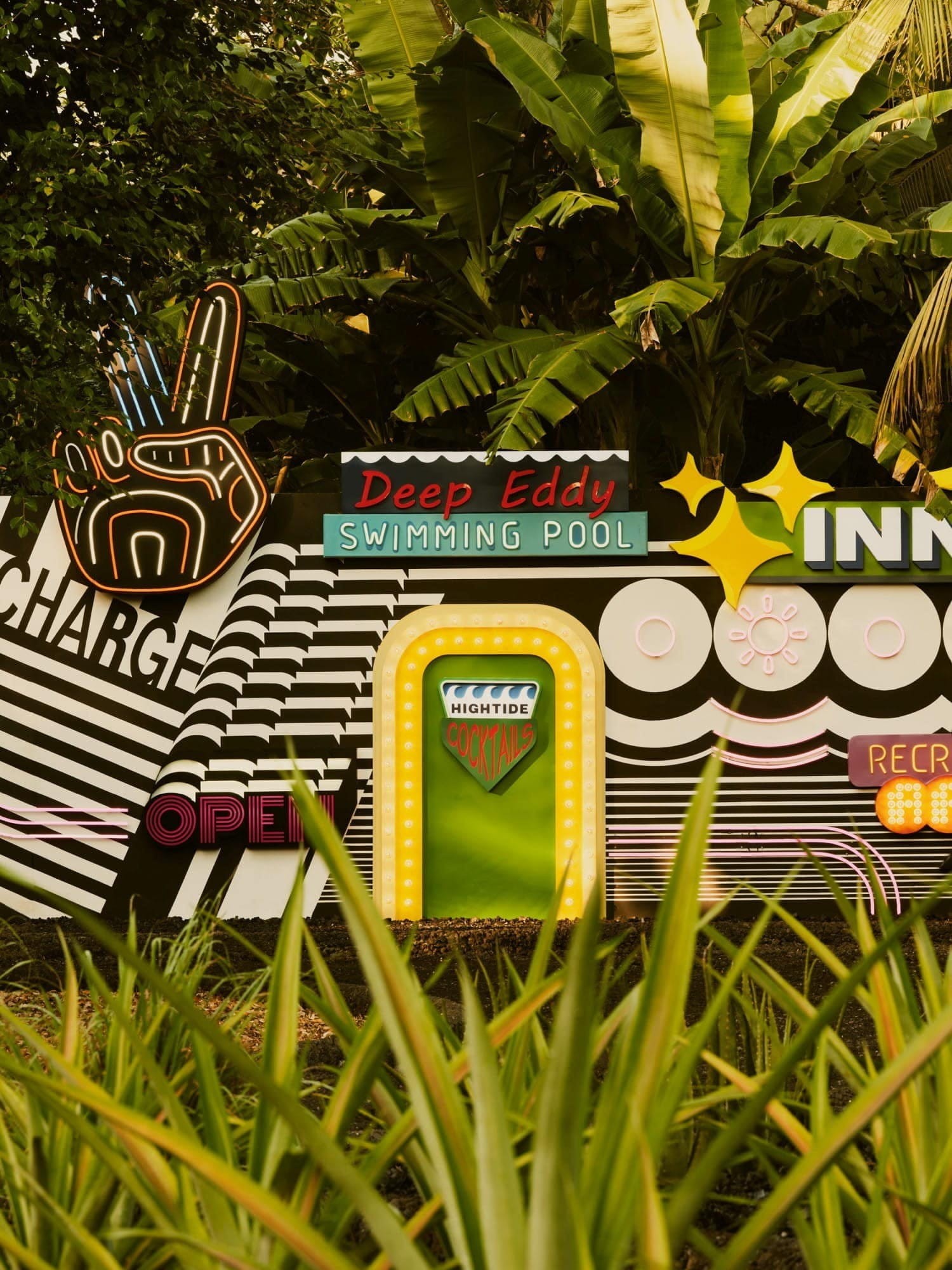
The drive to Lost Lindenberg feels familiar at first. You leave the airport and are greeted by scooters, traffic, roadside warungs, and crowds. Southern Bali slips away as you keep going. Traffic thins. Temples multiply. The sand turns black. You reach Pekutatan, a village still unbothered by the island's Instagram economy, and venture onto a quiet rural road. Then something absurd appears: a massive wall of neon signs, lit up like a Las Vegas fever dream. Find the hidden door, push through, and everything changes. This is Lost Lindenberg.
The drive to Lost Lindenberg feels familiar at first. You leave the airport and are greeted by scooters, traffic, roadside warungs, and crowds. Southern Bali slips away as you keep going. Traffic thins. Temples multiply. The sand turns black. You reach Pekutatan, a village still unbothered by the island's Instagram economy, and venture onto a quiet rural road. Then something absurd appears: a massive wall of neon signs, lit up like a Las Vegas fever dream. Find the hidden door, push through, and everything changes. This is Lost Lindenberg.
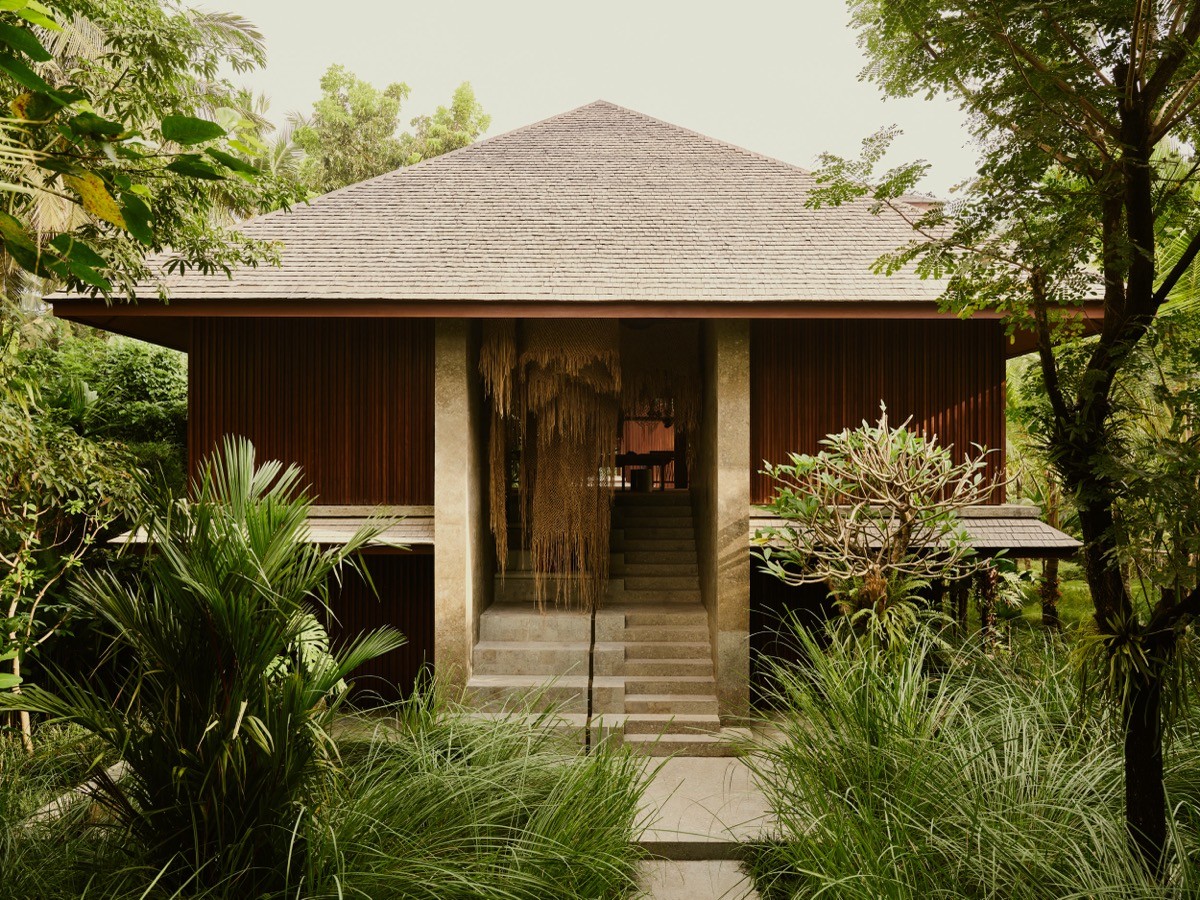
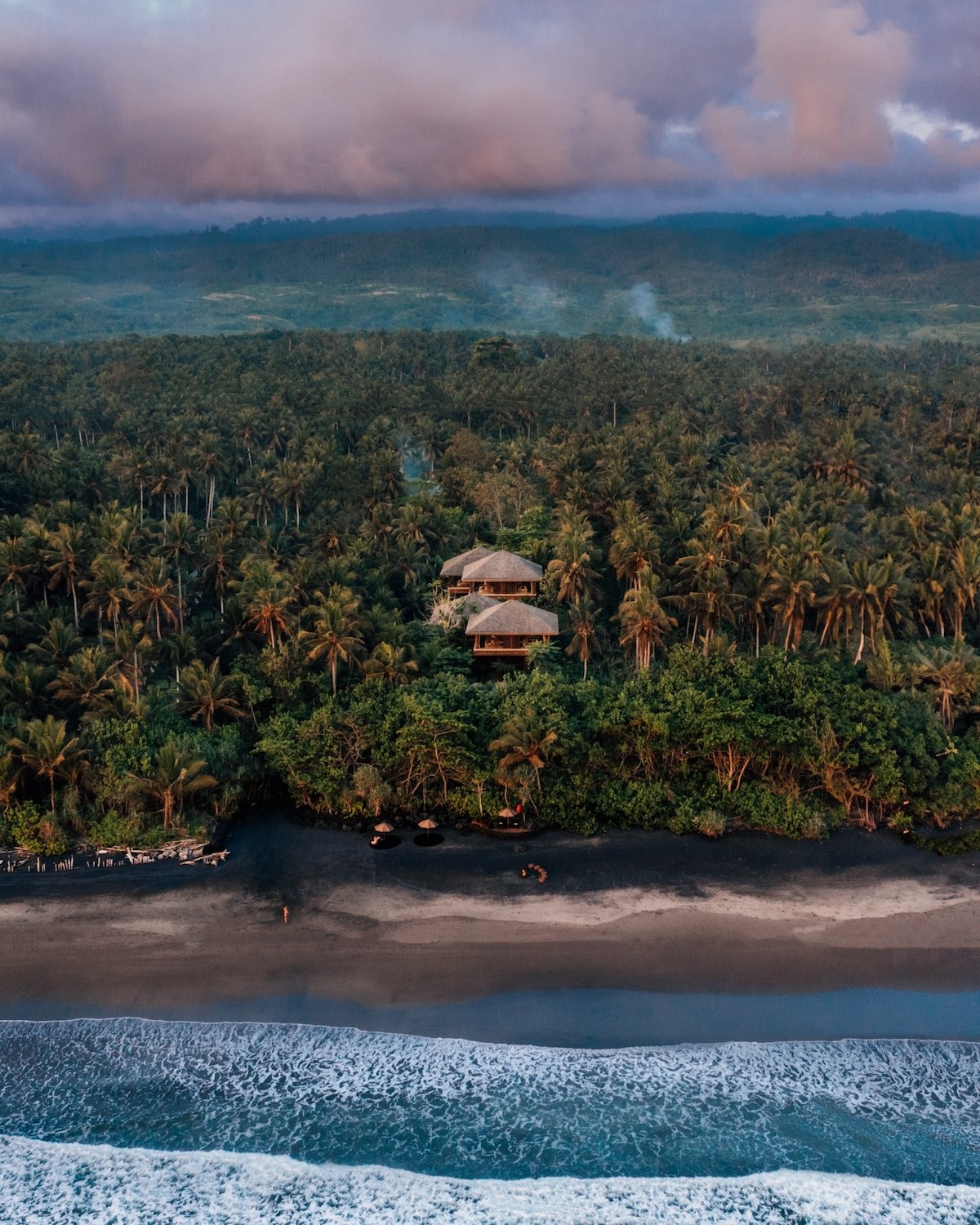
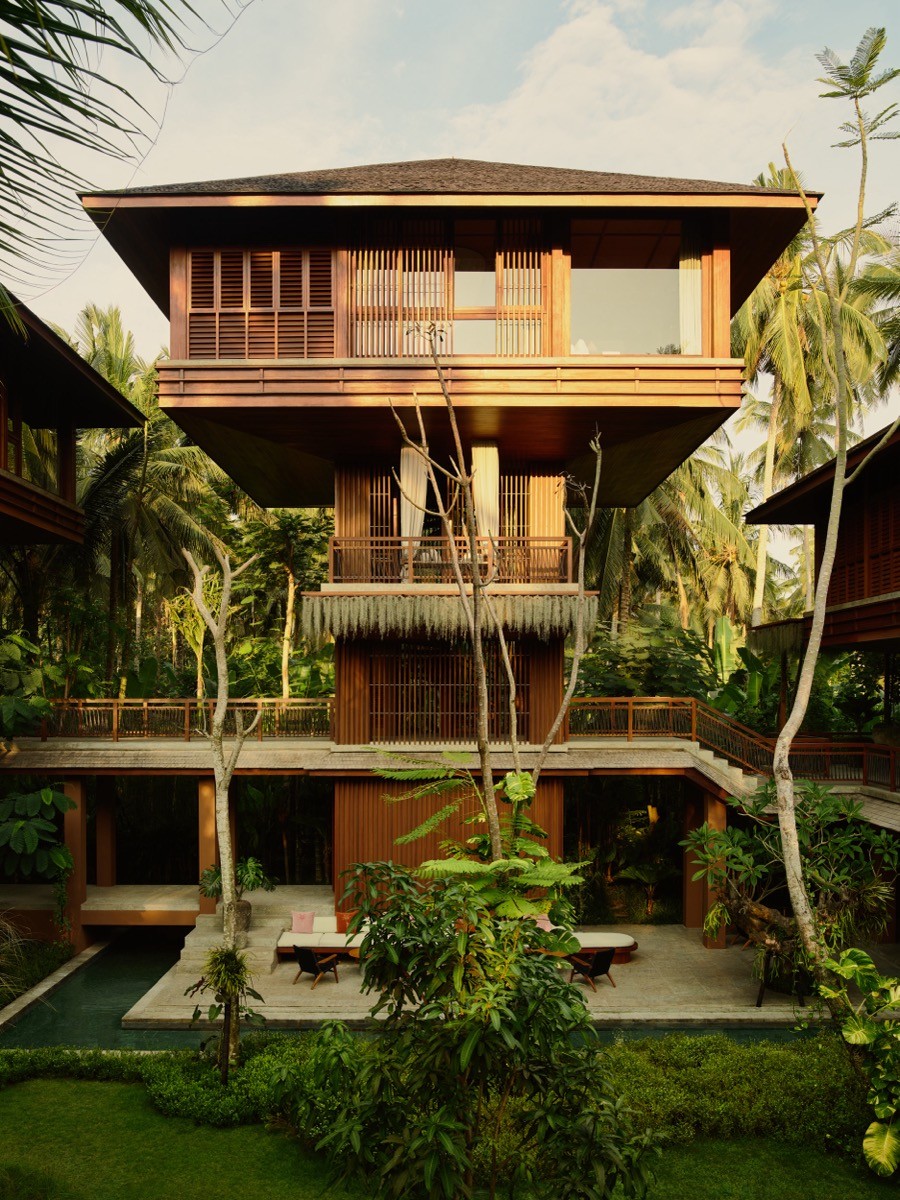
A narrow path slips into dense jungle, past a volcanic rock fountain, and a shrine where staff offer a Balinese blessing. Then the hotel finally reveals itself. Designed by Alexis Dornier and Studio Jencquel, Lost rises from the palm canopy: timber towers connected by a highline pointing towards the ocean. It feels like a floating village of treehouses; dreamlike, yet grounded.
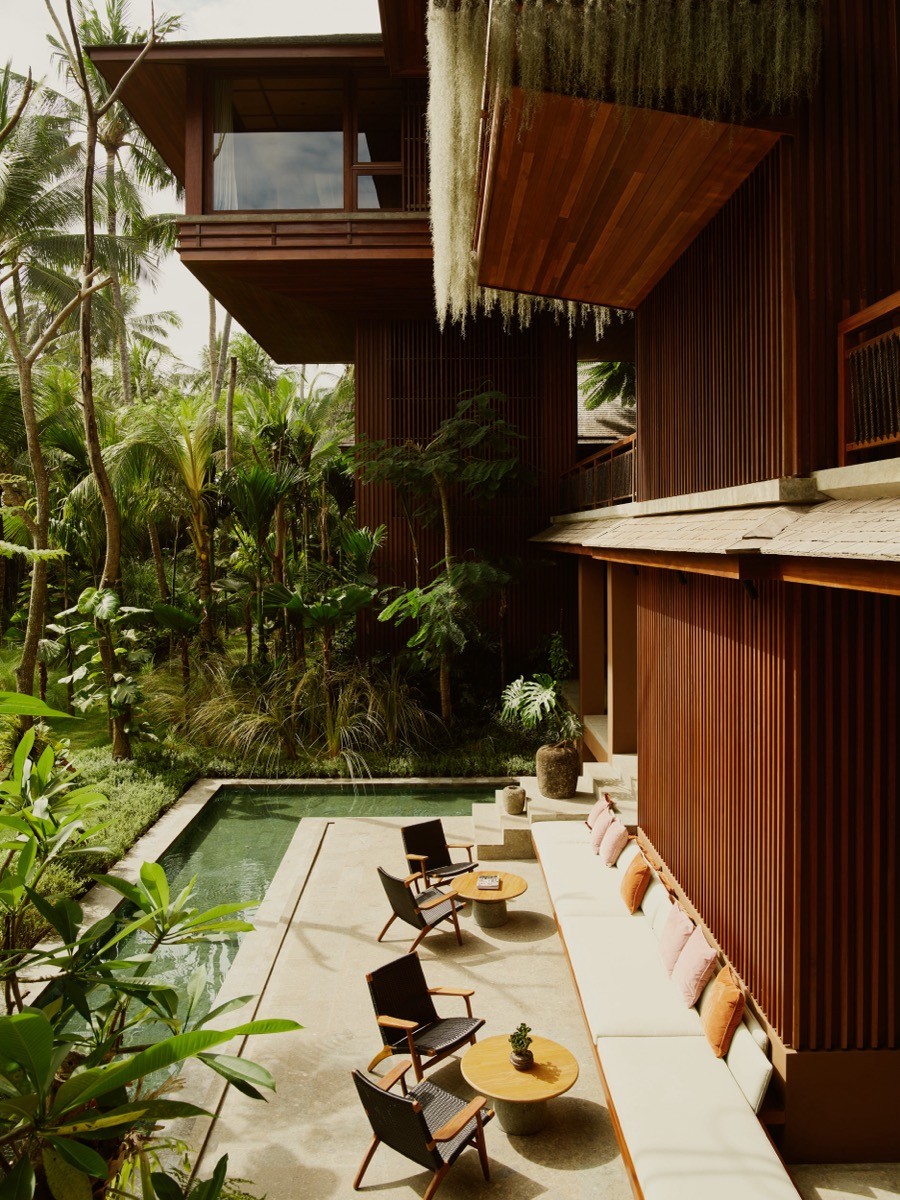
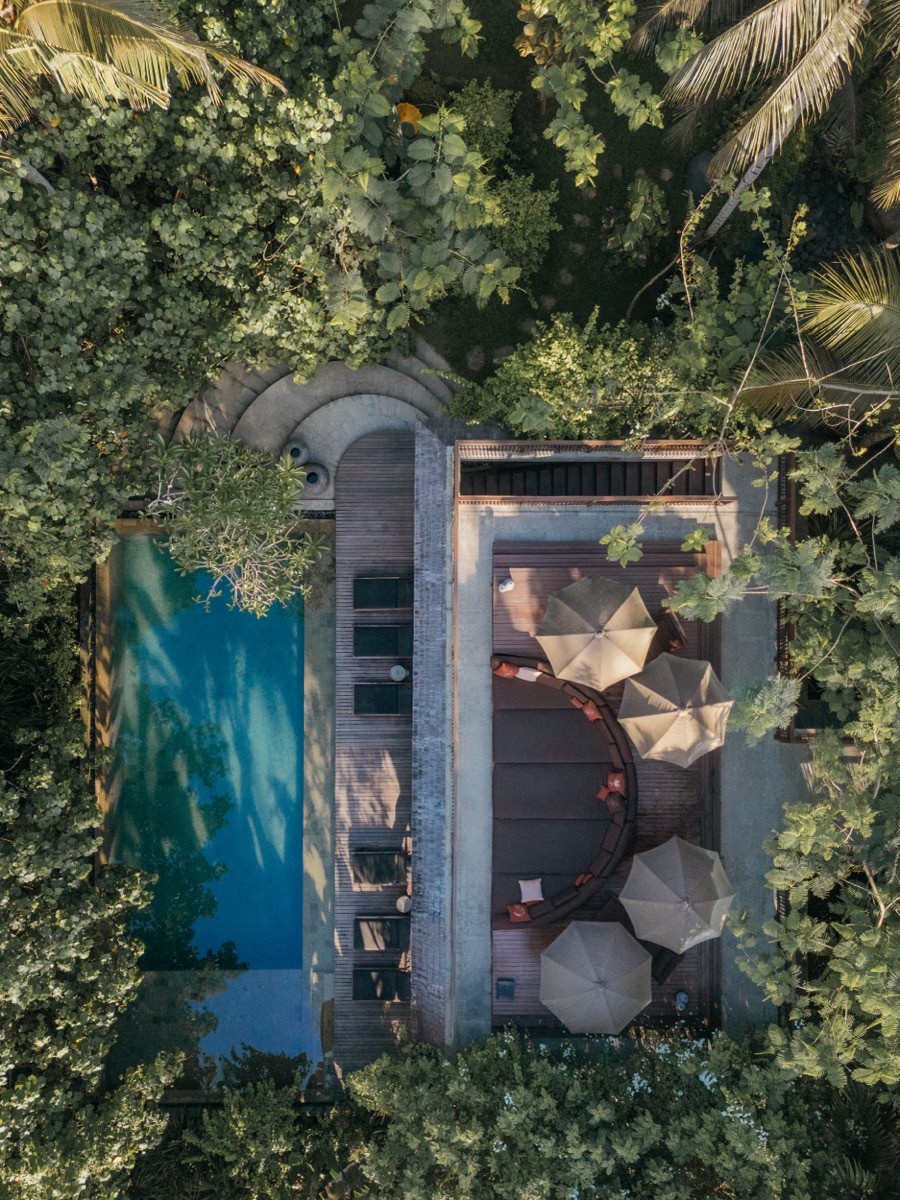
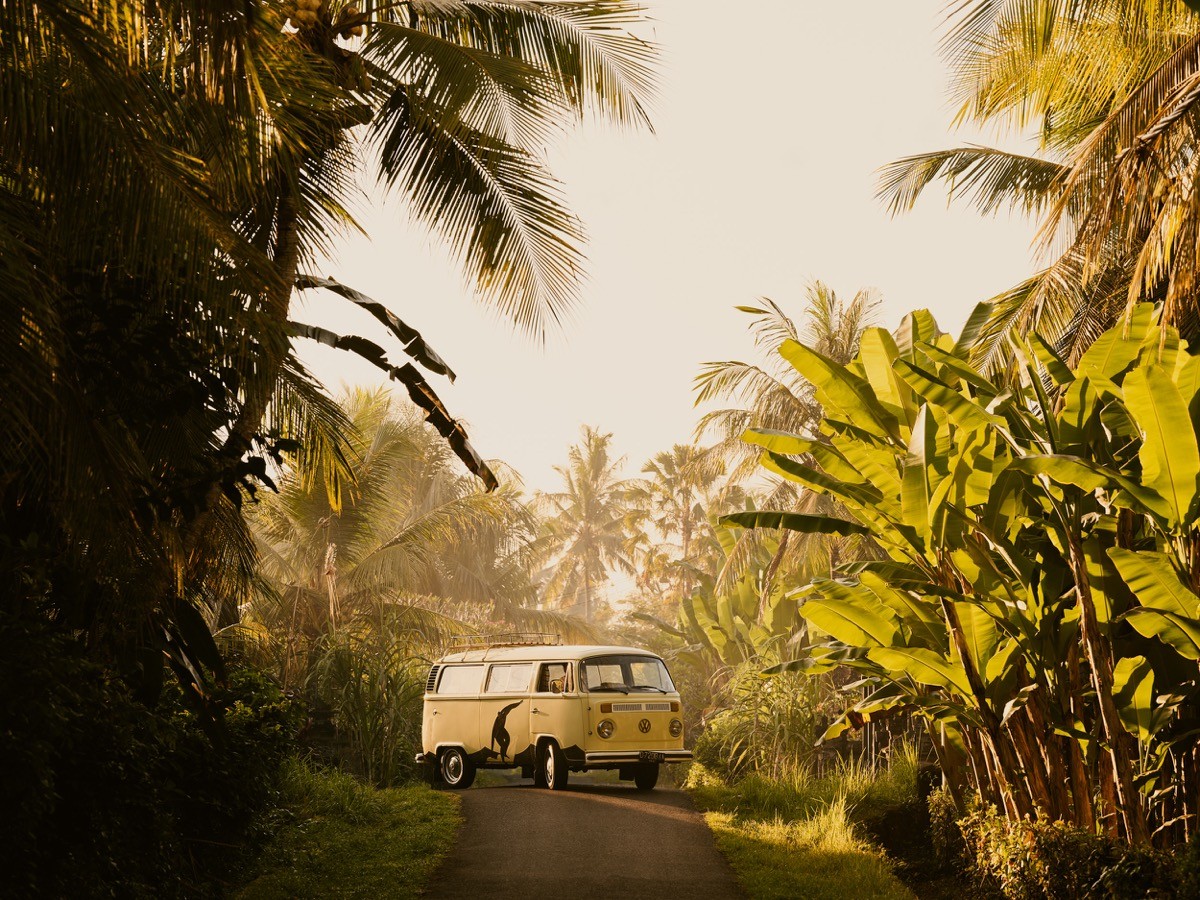
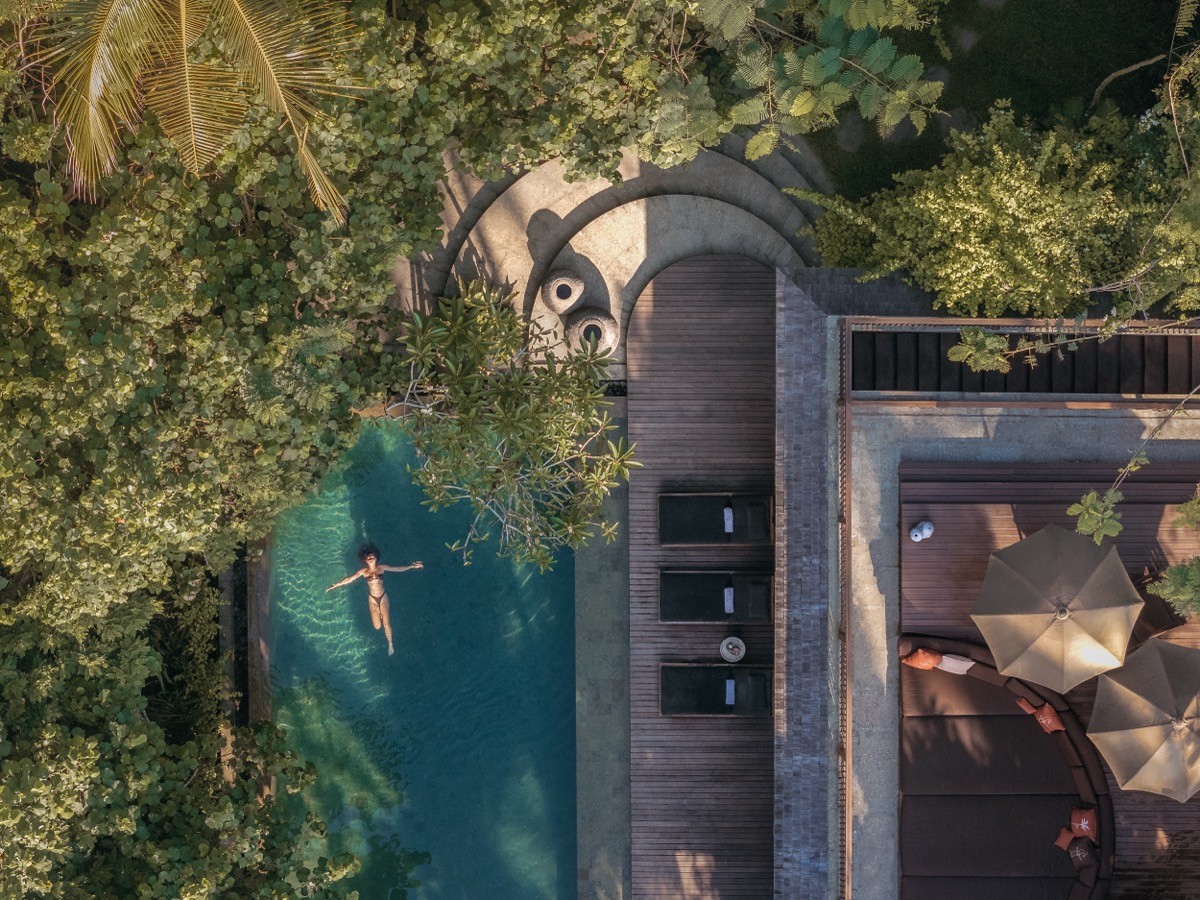
There are only eight suites. The turquoise pool is shaded by the jungle. A seven-metre dining table anchors daily life. The kitchen cooks entirely plant-based from the property’s own gardens and nearby organic farms. Out front, an uncrowded beach break peels across black volcanic sand, with a vintage VW Combi ready for little adventures up the coast.
Lost isn’t yet another luxury resort in Bali. No butler service, no private plunge pools, no rattan overload. It is playful and low-key, its luxuries are quieter. Everything from the family-style dining to the daily sunset bonfire encourages mingling and a laid-back, off-grid rhythm. The neon wall isn't a gimmick. It's a threshold. Cross it, and the island’s original magic comes back into focus.
A narrow path slips into dense jungle, past a volcanic rock fountain, and a shrine where staff offer a Balinese blessing. Then the hotel finally reveals itself. Designed by Alexis Dornier and Studio Jencquel, Lost rises from the palm canopy: timber towers connected by a highline pointing towards the ocean. It feels like a floating village of treehouses; dreamlike, yet grounded.
There are only eight suites. The turquoise pool is shaded by the jungle. A seven-metre dining table anchors daily life. The kitchen cooks entirely plant-based from the property’s own gardens and nearby organic farms. Out front, an uncrowded beach break peels across black volcanic sand, with a vintage VW Combi ready for little adventures up the coast.
Lost isn’t yet another luxury resort in Bali. No butler service, no private plunge pools, no rattan overload. It is playful and low-key, its luxuries are quieter. Everything from the family-style dining to the daily sunset bonfire encourages mingling and a laid-back, off-grid rhythm. The neon wall isn't a gimmick. It's a threshold. Cross it, and the island’s original magic comes back into focus.
Rooms
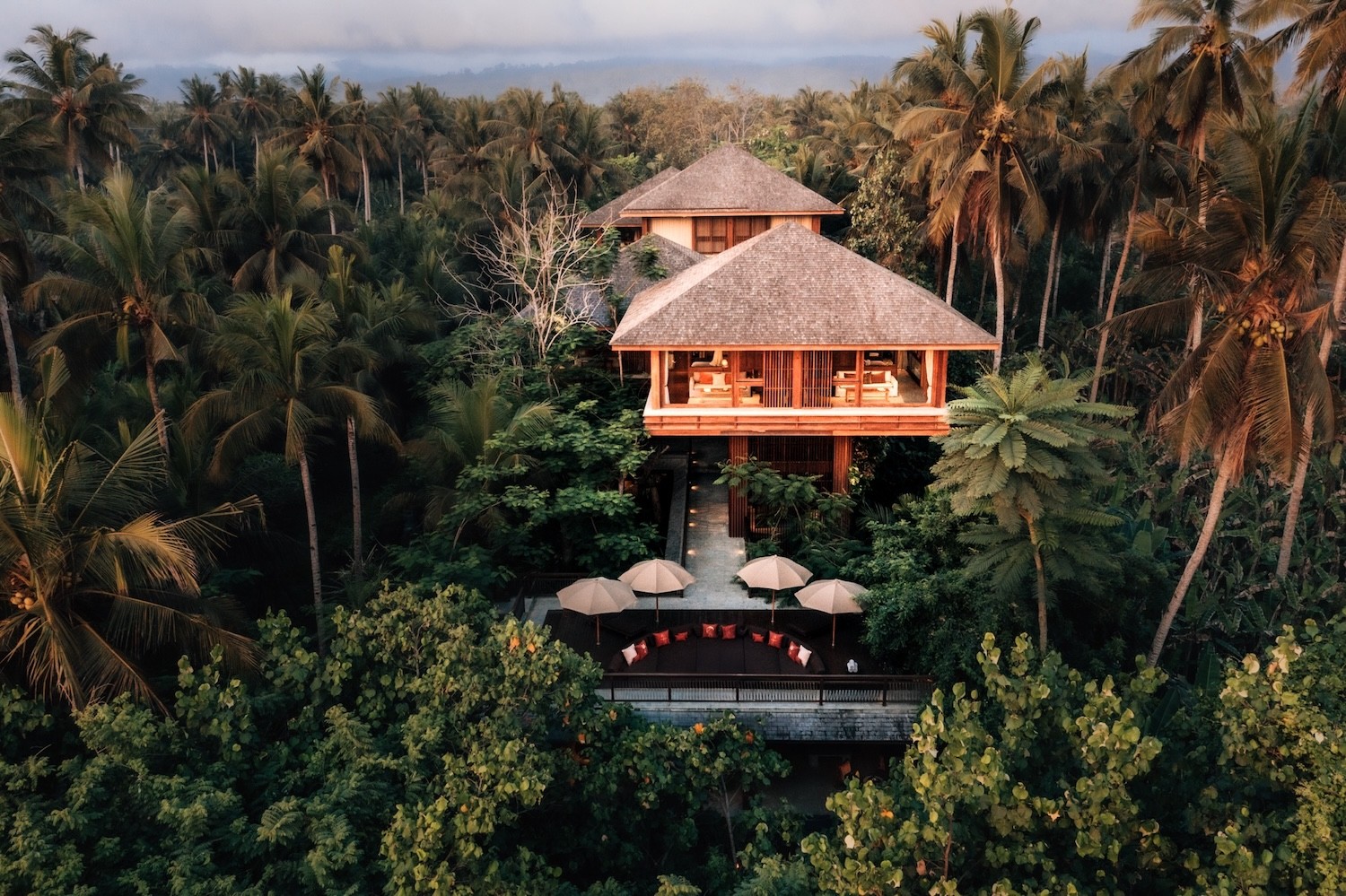
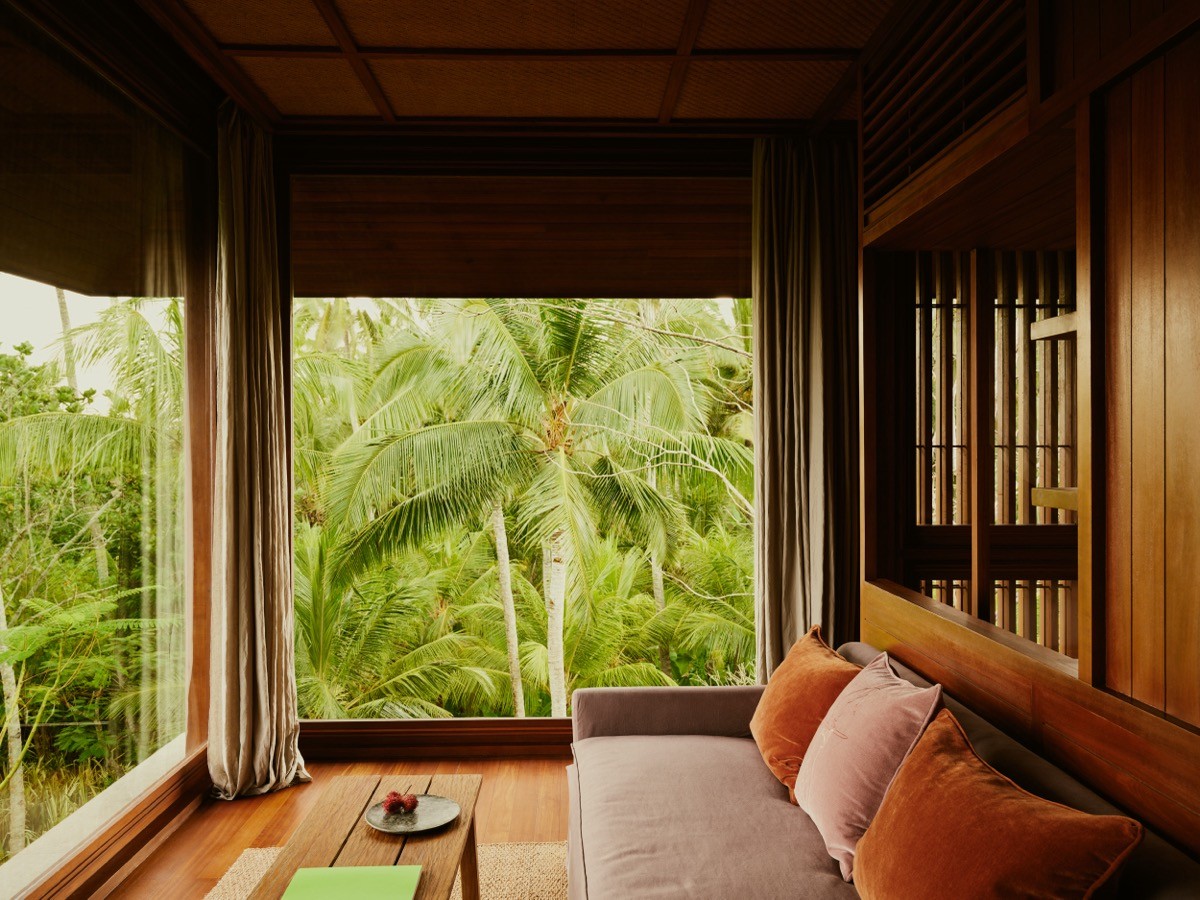
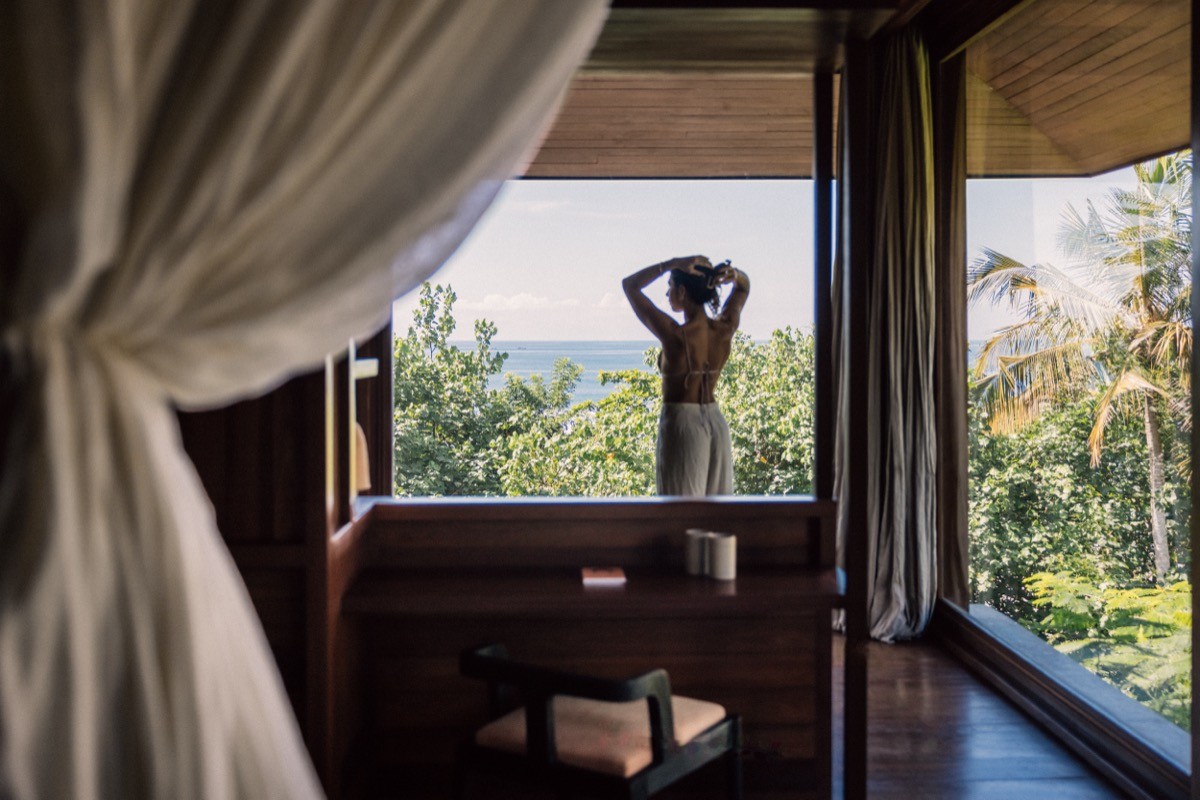
Lost has only eight suites perched in treehouse-style towers that rise above the jungle. Floor-to-ceiling windows blur inside and out. The two Ocean Panorama Suites face the ocean directly; the six Jungle Panorama Suites offer views of dense green canopy and temples.
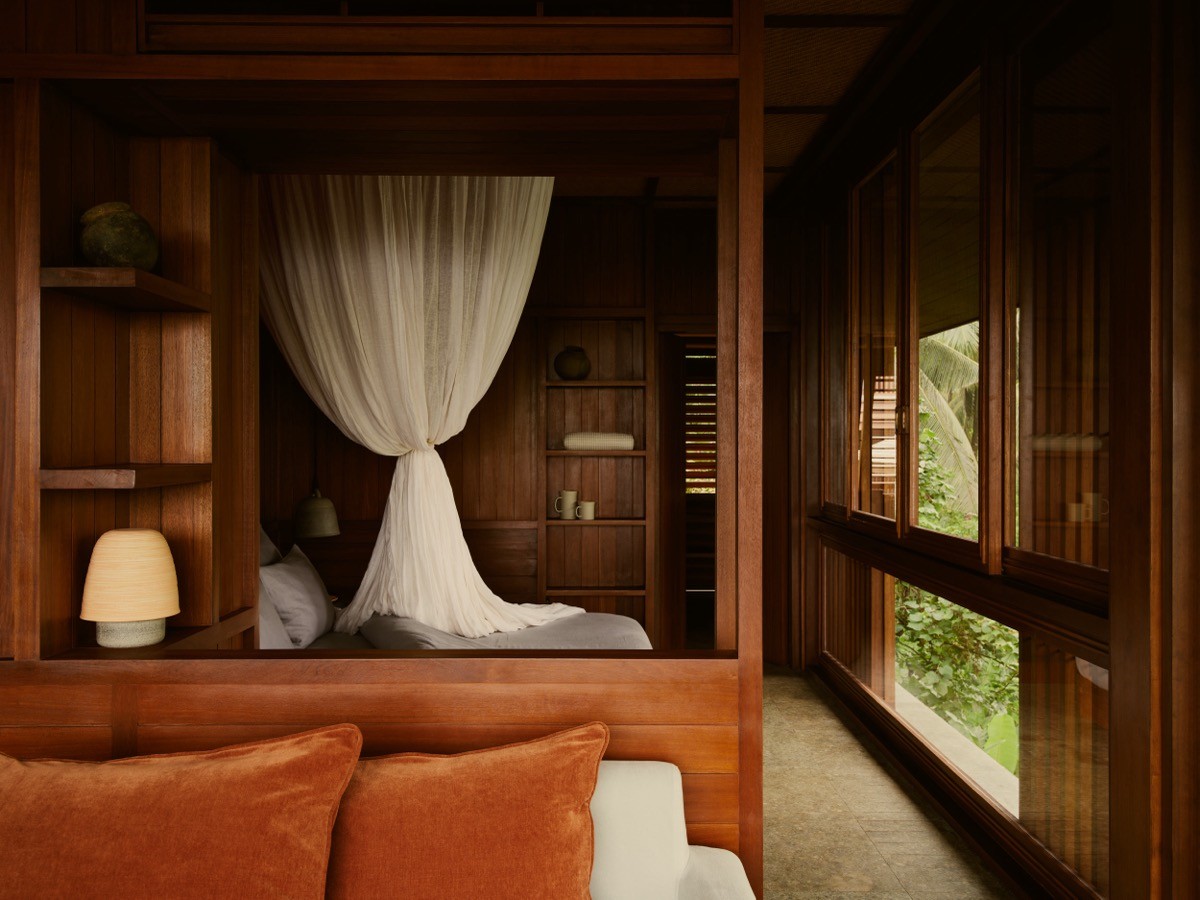
Every suite is 45 square metres and shares the same design language. Studio Jencquel handled interiors with a palette of burnt teak, lava stone, tropical hardwood and river stones. Almost everything you touch has been custom-made, from the lamps to the tableware. Gaya ceramics sit on shelves. David Pompa lamps cast warm light. Contemporary photographs by, among others, Indonesian artist Prabowo and British photographer Annie Collinge hang on the walls. Each suite has a daybed-like sofa for lounging, admiring the view or reading one of the well-chosen books left in your room.
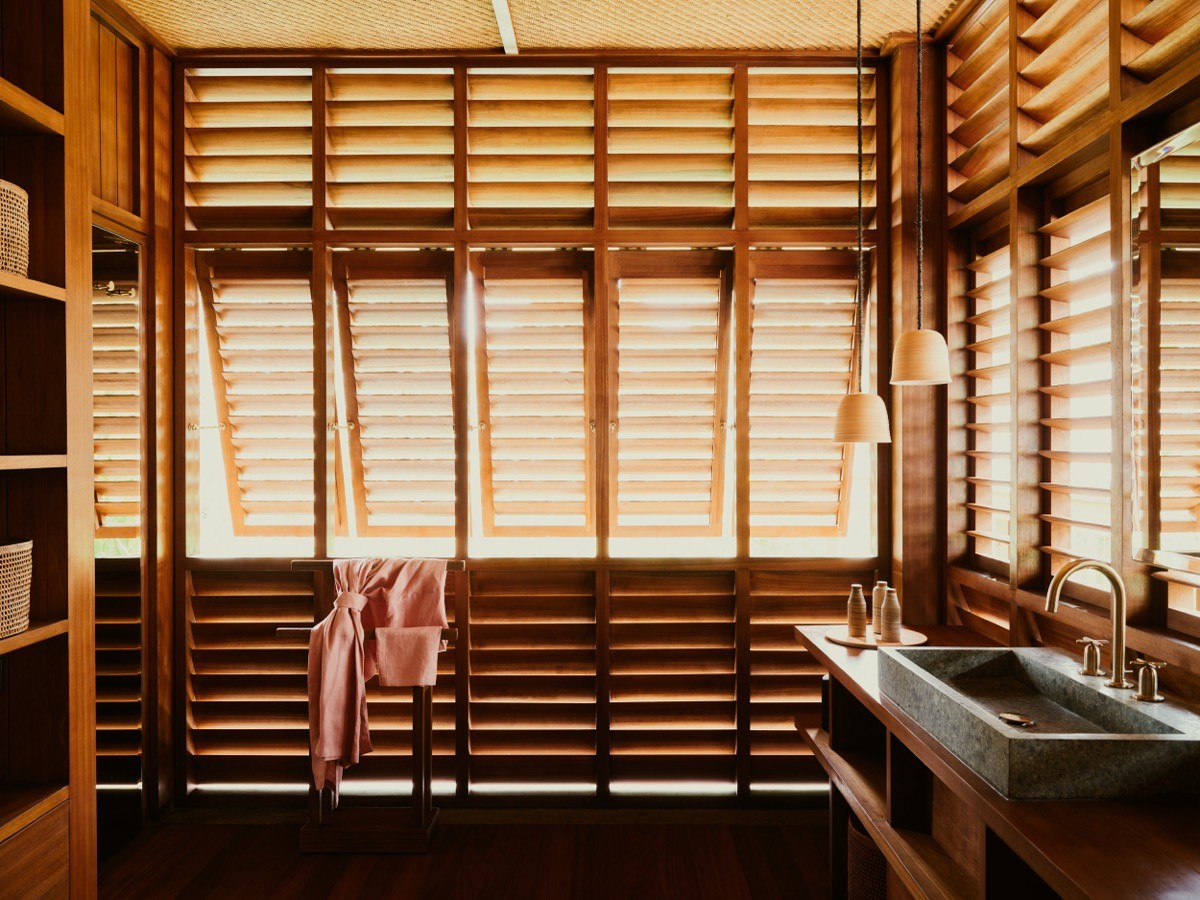
Creature comforts have not been forgotten. There is air conditioning, plush linens and spacious bathrooms. In a quirky twist, the bathrooms are semi-open-air, with slatted walls that let in the sea breeze.
The design is clearly considered but avoids the sterile feel of generic luxury hotels. The wood has grain. The stone has texture. You are meant to feel the materials, not just admire them. The mood is warm, enveloping, slightly moody. It keeps you connected to where you actually are. Leave the windows open. Let the place in.
Lost has only eight suites perched in treehouse-style towers that rise above the jungle. Floor-to-ceiling windows blur inside and out. The two Ocean Panorama Suites face the ocean directly; the six Jungle Panorama Suites offer views of dense green canopy and temples.
Every suite is 45 square metres and shares the same design language. Studio Jencquel handled interiors with a palette of burnt teak, lava stone, tropical hardwood and river stones. Almost everything you touch has been custom-made, from the lamps to the tableware. Gaya ceramics sit on shelves. David Pompa lamps cast warm light. Contemporary photographs by, among others, Indonesian artist Prabowo and British photographer Annie Collinge hang on the walls. Each suite has a daybed-like sofa for lounging, admiring the view or reading one of the well-chosen books left in your room.
Creature comforts have not been forgotten. There is air conditioning, plush linens and spacious bathrooms. In a quirky twist, the bathrooms are semi-open-air, with slatted walls that let in the sea breeze.
The design is clearly considered but avoids the sterile feel of generic luxury hotels. The wood has grain. The stone has texture. You are meant to feel the materials, not just admire them. The mood is warm, enveloping, slightly moody. It keeps you connected to where you actually are. Leave the windows open. Let the place in.
Food & Drinks
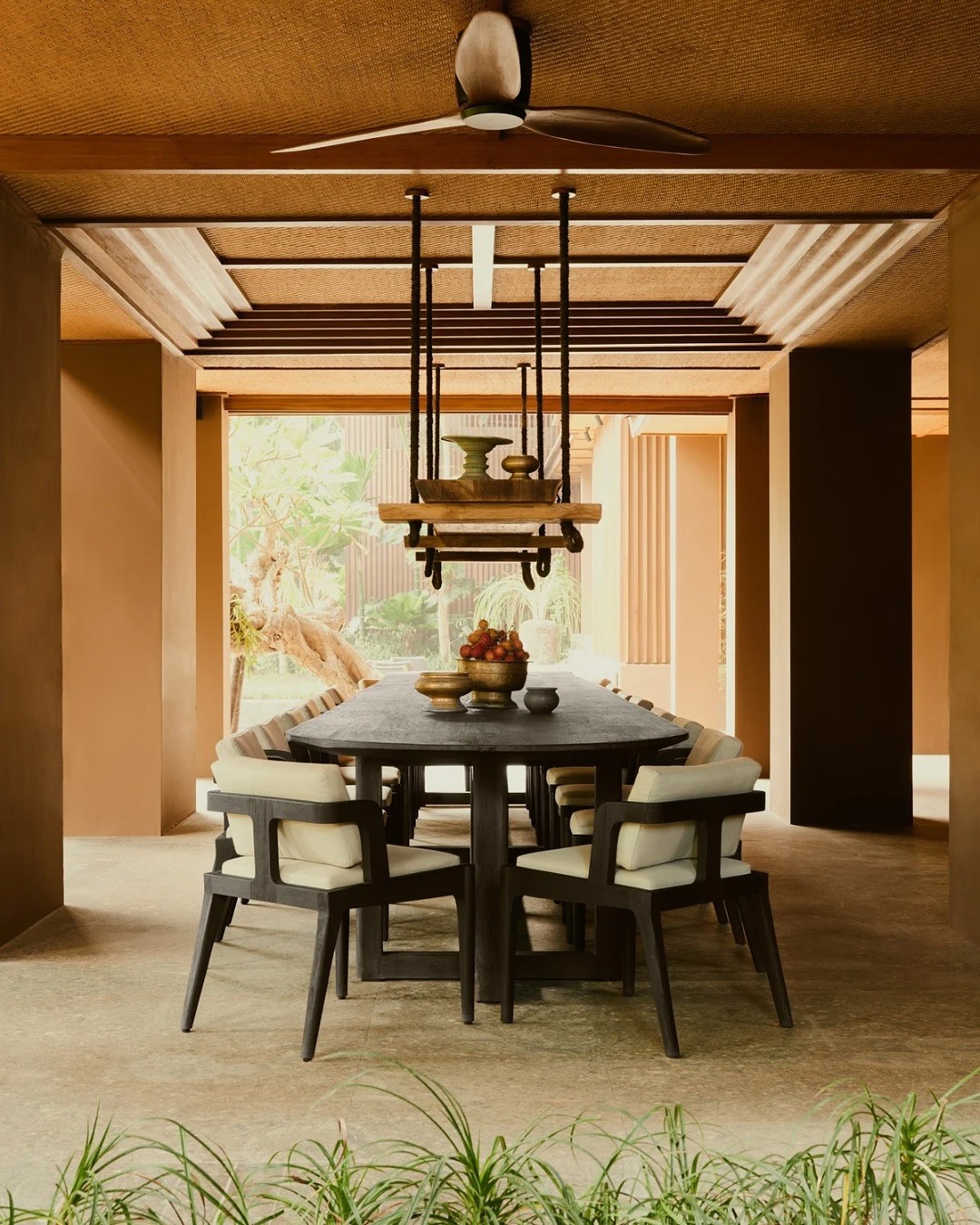
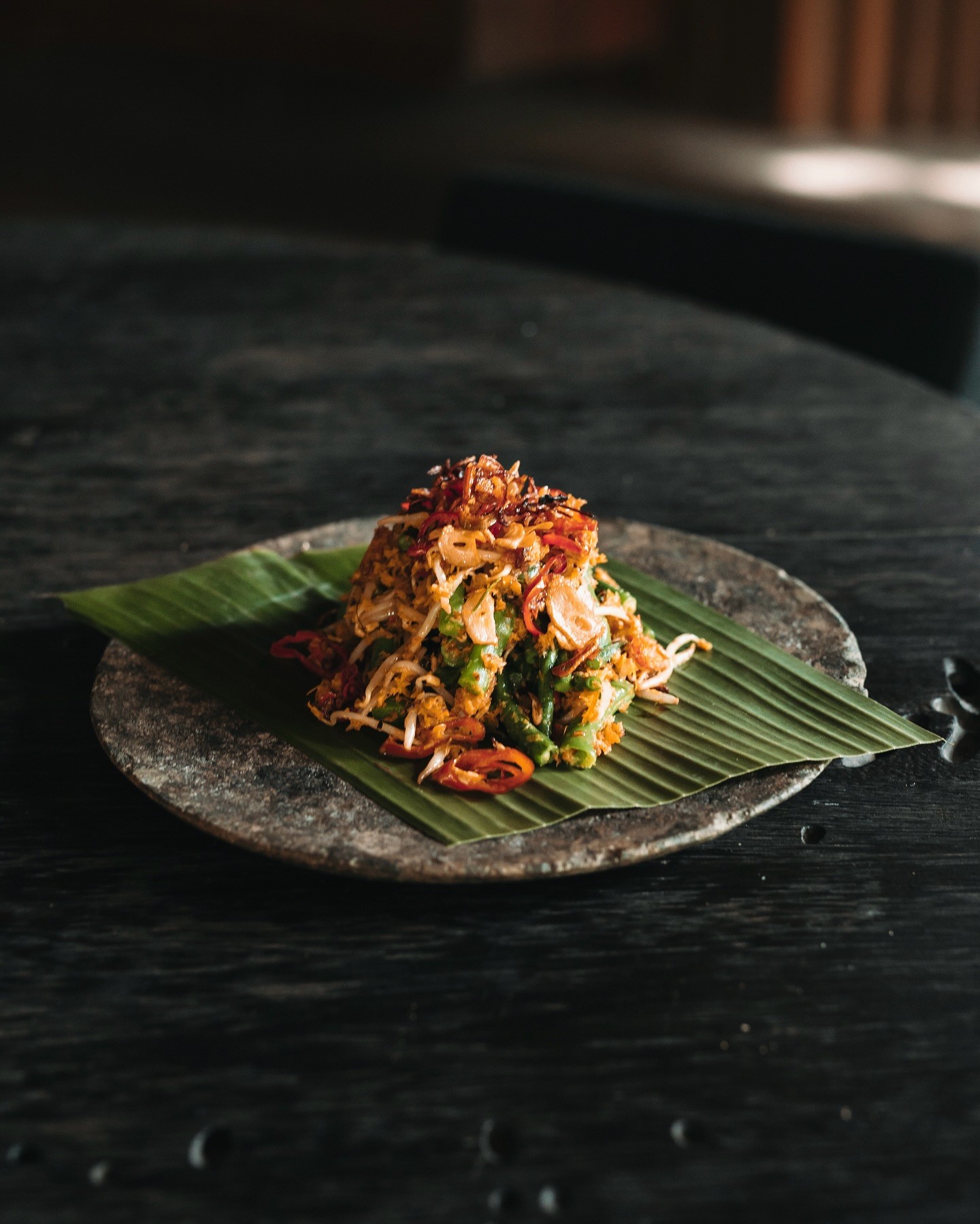
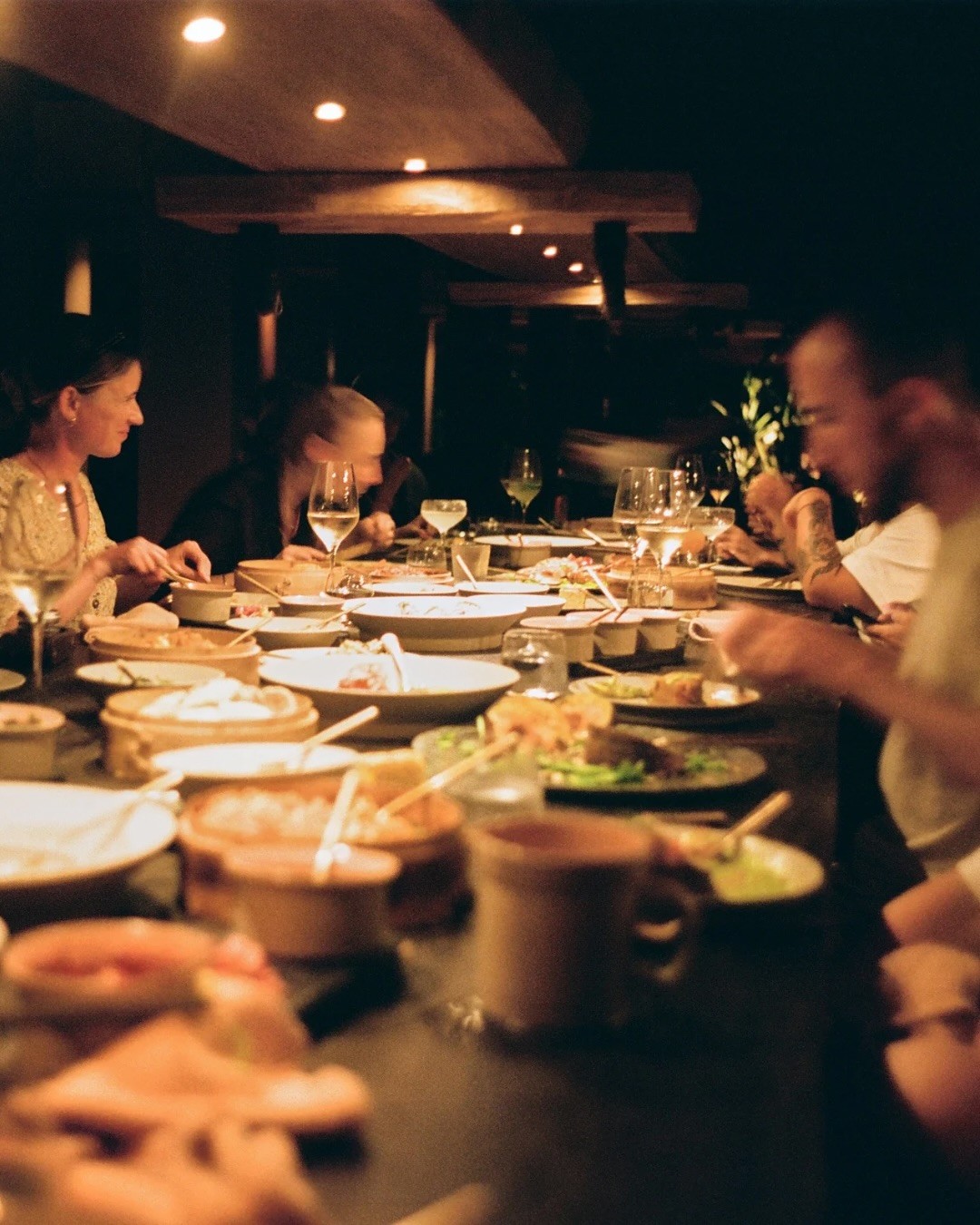
Meals at Lost are designed to be shared. The centre of gravity is a solid seven-metre wooden table where guests sit together for long breakfasts and even longer dinners. The menu is entirely plant-based, yet the cooking is so good that it almost goes unnoticed. All ingredients come from Lost’s own permaculture gardens and nearby organic farms.
Breakfast runs from homemade granola and tropical fruit platters to coconut French toast. By midday, the menu drifts from jackfruit tacos to a playful tomato-and-watermelon pasta.
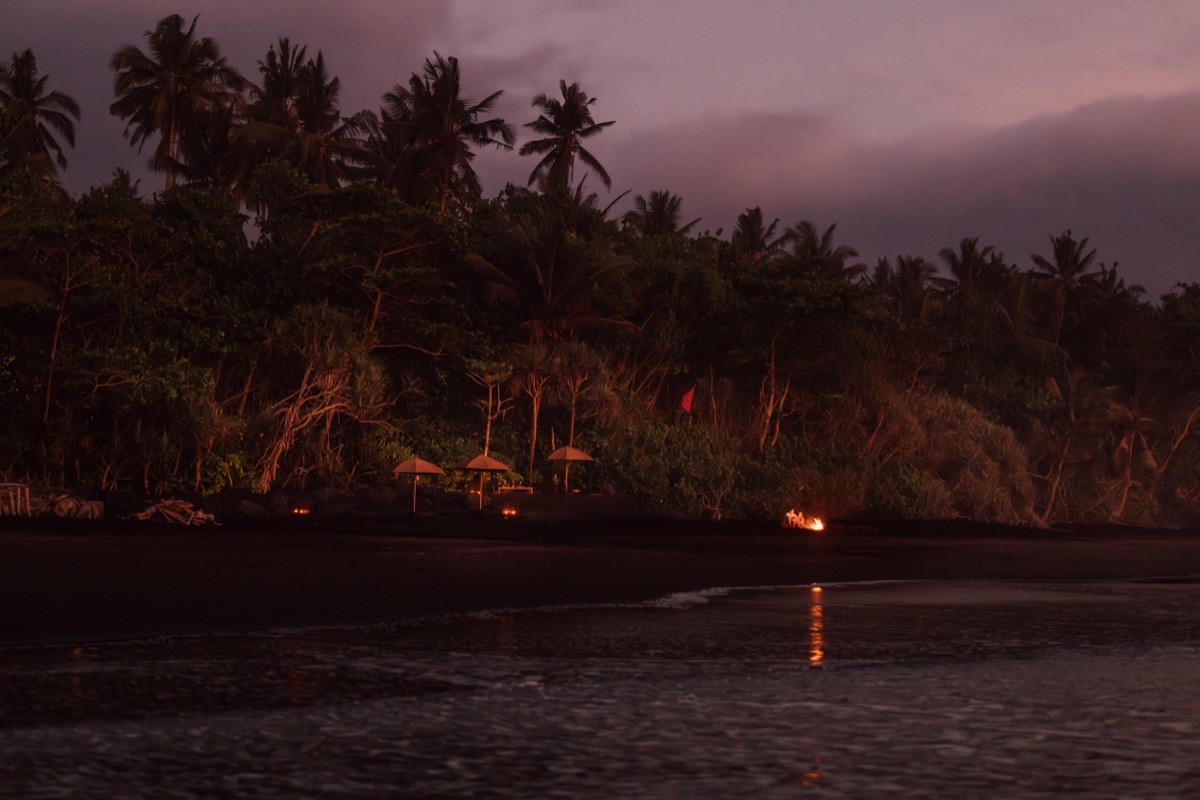
The poolside bar serves an afternoon tea with sweet treats, then drinks around the bonfire on the beach at sunset. Time to sip classic long drinks, local kombuchas or their seasonal cocktails.
For dinner, you can admire the chef, omakase-style. The cuisine centres on Balinese home cooking with western touches: elaborate plates, a rotating cast of sambals, dishes built around whatever is ripe and ready, all shared family-style around the communal table.
Food is seasonal by design. You'll eat alongside other guests, share dishes, and likely end up in conversations you didn't expect. Most guests end up lingering at the table longer than planned.
Meals at Lost are designed to be shared. The centre of gravity is a solid seven-metre wooden table where guests sit together for long breakfasts and even longer dinners. The menu is entirely plant-based, yet the cooking is so good that it almost goes unnoticed. All ingredients come from Lost’s own permaculture gardens and nearby organic farms.
Breakfast runs from homemade granola and tropical fruit platters to coconut French toast. By midday, the menu drifts from jackfruit tacos to a playful tomato-and-watermelon pasta.
The poolside bar serves an afternoon tea with sweet treats, then drinks around the bonfire on the beach at sunset. Time to sip classic long drinks, local kombuchas or their seasonal cocktails.
For dinner, you can admire the chef, omakase-style. The cuisine centres on Balinese home cooking with western touches: elaborate plates, a rotating cast of sambals, dishes built around whatever is ripe and ready, all shared family-style around the communal table.
Food is seasonal by design. You'll eat alongside other guests, share dishes, and likely end up in conversations you didn't expect. Most guests end up lingering at the table longer than planned.
Surfing
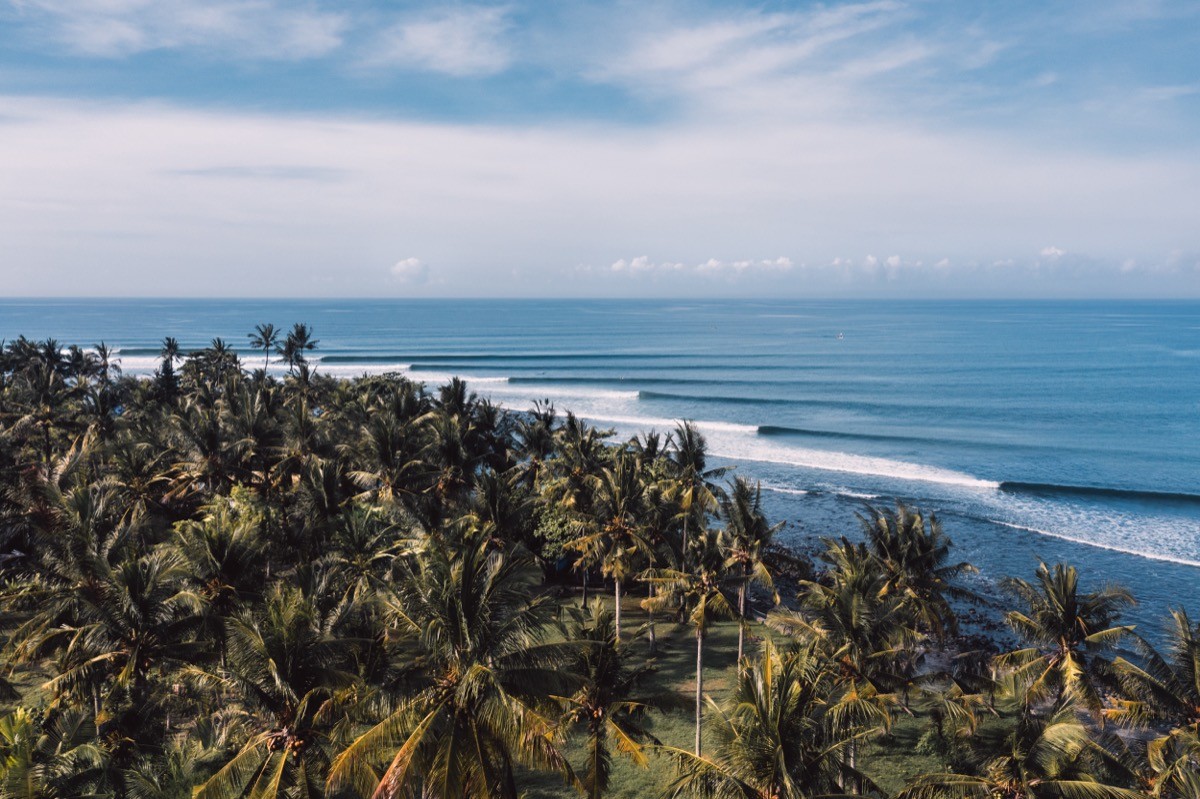
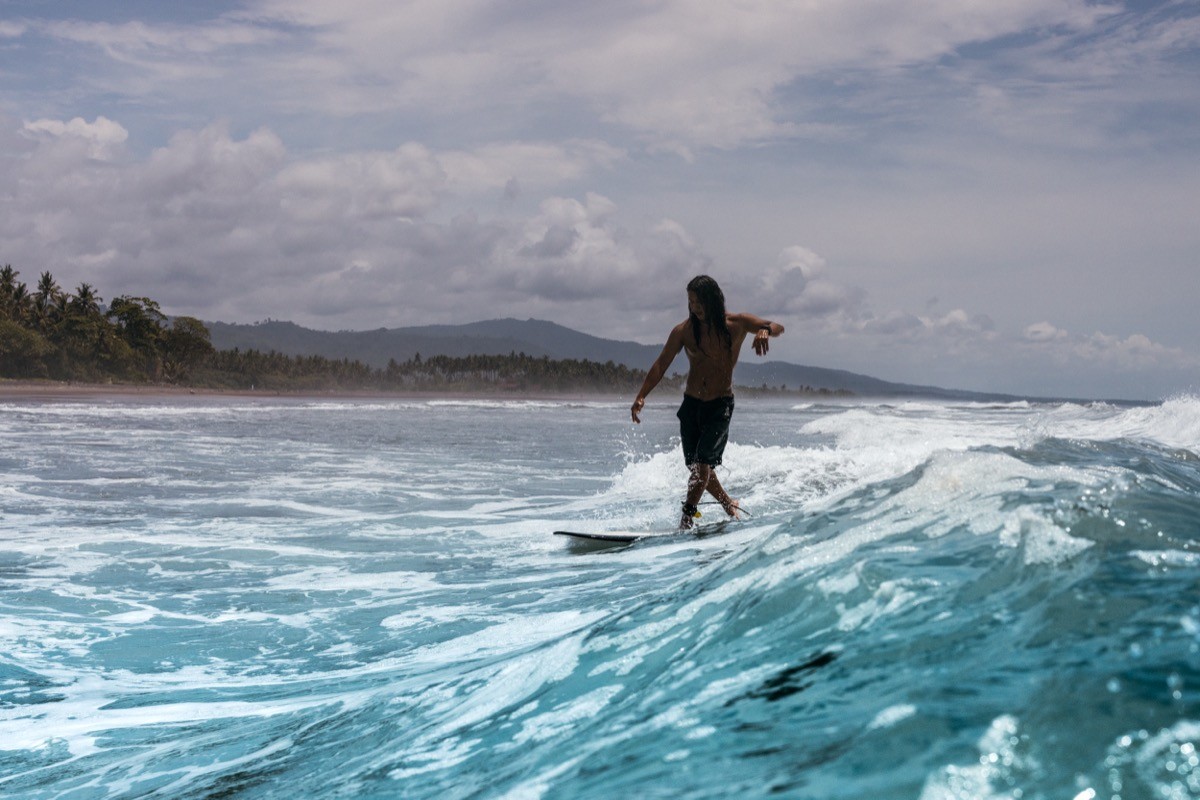
Surf is the organising principle here. Lost has its own beach break, peeling in front of the property. It is kind to beginners and lively enough for intermediates; plenty of peaks and space to learn.
Five minutes up the road sits Medewi Point, a mellow left point that can run for hundreds of metres on a good day. Its forgiving take off makes it work for both learners and more experienced riders. To head there, or to one of the coastline’s lesser known breaks, jump into Lost’s free shuttle: their own vintage VW Combi.
Surf sessions with instructors are included in the room rate. The team knows how to read this coastline and which spots are working. Boards are made in collaboration with Pyzel Surfboards, so the in-house quiver is built for actual waves rather than for pool photos.
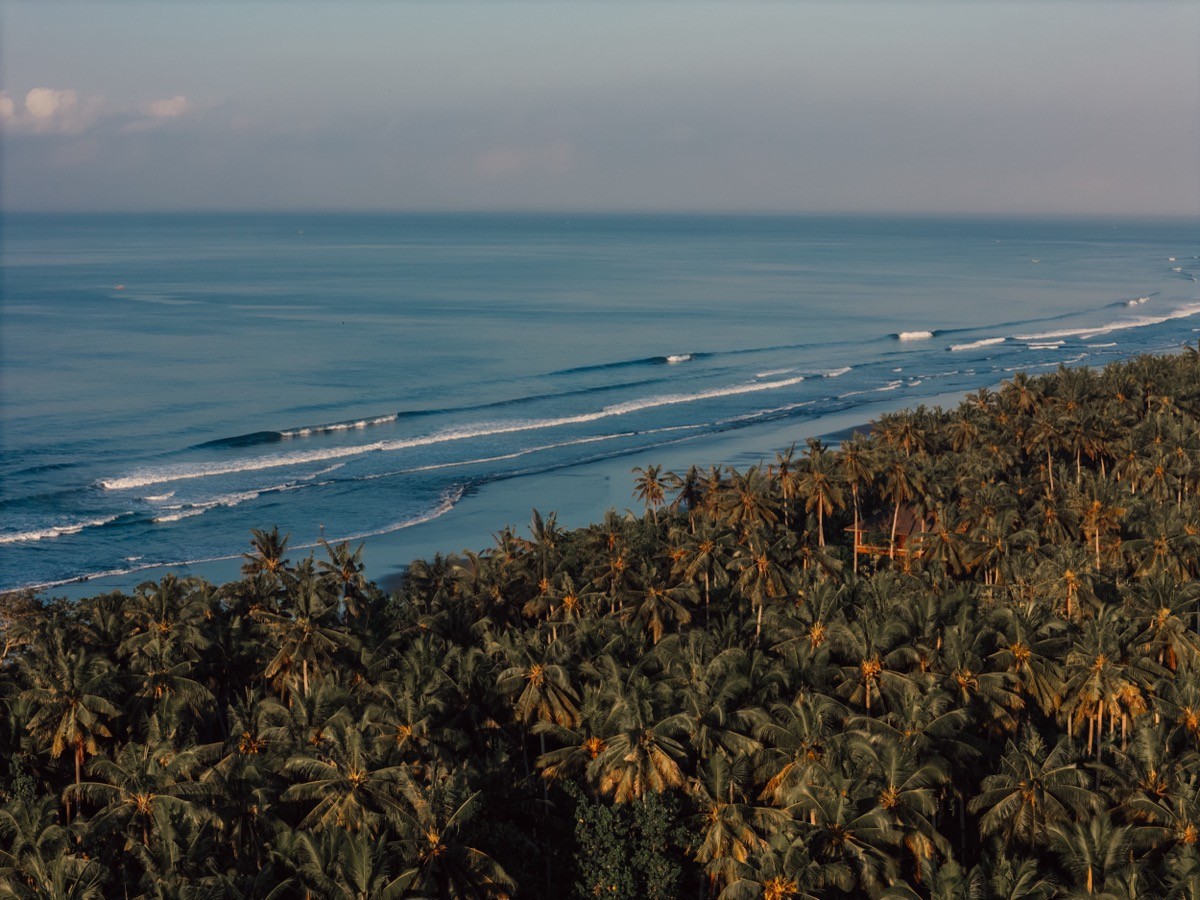
The scenery itself is striking. That black volcanic sand, the temple silhouettes inland, the jungle pressing close to the shore. There are no manicured rows of sunbeds, no beach clubs blasting music. Just long stretches of dark sand, consistent swell and far fewer people than you will encounter further south.
Surf is the organising principle here. Lost has its own beach break, peeling in front of the property. It is kind to beginners and lively enough for intermediates; plenty of peaks and space to learn.
Five minutes up the road sits Medewi Point, a mellow left point that can run for hundreds of metres on a good day. Its forgiving take off makes it work for both learners and more experienced riders. To head there, or to one of the coastline’s lesser known breaks, jump into Lost’s free shuttle: their own vintage VW Combi.
Surf sessions with instructors are included in the room rate. The team knows how to read this coastline and which spots are working. Boards are made in collaboration with Pyzel Surfboards, so the in-house quiver is built for actual waves rather than for pool photos.
The scenery itself is striking. That black volcanic sand, the temple silhouettes inland, the jungle pressing close to the shore. There are no manicured rows of sunbeds, no beach clubs blasting music. Just long stretches of dark sand, consistent swell and far fewer people than you will encounter further south.
Activities
The spa sits in Lost's jungle, housed in a gladak, a traditional wooden structure originally used for storing rice. Treatments draw on local rituals and aromatherapy: Balinese massages that sort out surf-tired muscles and scrubs that revive sun-tired skin. Scents of chamomile, lavender, lemongrass and bergamot fill the space. No crystal healing or high-tech wizardry, just skilled therapists practising age-old rituals.
Yoga classes are held under the pergola with views of the palm canopy. After class, guests can cool off in the turquoise pool, surrounded by lush palms and the sound of waves just behind.
The landscape design runs a deliberate route from thick tropical forest towards the black-sand beach; walking it slowly feels like a low-key moving meditation. At Lost, wellness is not a spectacle. Relaxation comes from connecting to place and community rather than chasing a prescribed journey.
The spa sits in Lost's jungle, housed in a gladak, a traditional wooden structure originally used for storing rice. Treatments draw on local rituals and aromatherapy: Balinese massages that sort out surf-tired muscles and scrubs that revive sun-tired skin. Scents of chamomile, lavender, lemongrass and bergamot fill the space. No crystal healing or high-tech wizardry, just skilled therapists practising age-old rituals.
Yoga classes are held under the pergola with views of the palm canopy. After class, guests can cool off in the turquoise pool, surrounded by lush palms and the sound of waves just behind.
The landscape design runs a deliberate route from thick tropical forest towards the black-sand beach; walking it slowly feels like a low-key moving meditation. At Lost, wellness is not a spectacle. Relaxation comes from connecting to place and community rather than chasing a prescribed journey.
The People Behind
Lindenberg started in 2012 when a group of flatmates in Frankfurt began renting rooms in their villa to travellers. They've since opened five properties, each focused on shared, design-forward spaces and bringing guests together rather than isolating them in private luxury. Lost, opened in 2022, is their first outside Europe, conceived after a chance visit to West Bali.
Determined not to be just another foreign import, the Lindenberg team spent time in Pekutatan’s community before opening. They consulted village elders on the design, sourced décor and furniture from Indonesian artisans, trained local craftspeople to meet their standards and hired much of the staff from nearby villages.
Together with local surf legend Muklis Anwar, they founded The Lost Bunch, an educational programme for young surfers in the Medewi area. Many of these kids are passionate about surfing but lack access to proper education. Lost Bunch combines surf coaching with English lessons, sustainability education, and hospitality training. An attempt to create opportunities beyond the typical tourist economy.
Lindenberg started in 2012 when a group of flatmates in Frankfurt began renting rooms in their villa to travellers. They've since opened five properties, each focused on shared, design-forward spaces and bringing guests together rather than isolating them in private luxury. Lost, opened in 2022, is their first outside Europe, conceived after a chance visit to West Bali.
Determined not to be just another foreign import, the Lindenberg team spent time in Pekutatan’s community before opening. They consulted village elders on the design, sourced décor and furniture from Indonesian artisans, trained local craftspeople to meet their standards and hired much of the staff from nearby villages.
Together with local surf legend Muklis Anwar, they founded The Lost Bunch, an educational programme for young surfers in the Medewi area. Many of these kids are passionate about surfing but lack access to proper education. Lost Bunch combines surf coaching with English lessons, sustainability education, and hospitality training. An attempt to create opportunities beyond the typical tourist economy.