

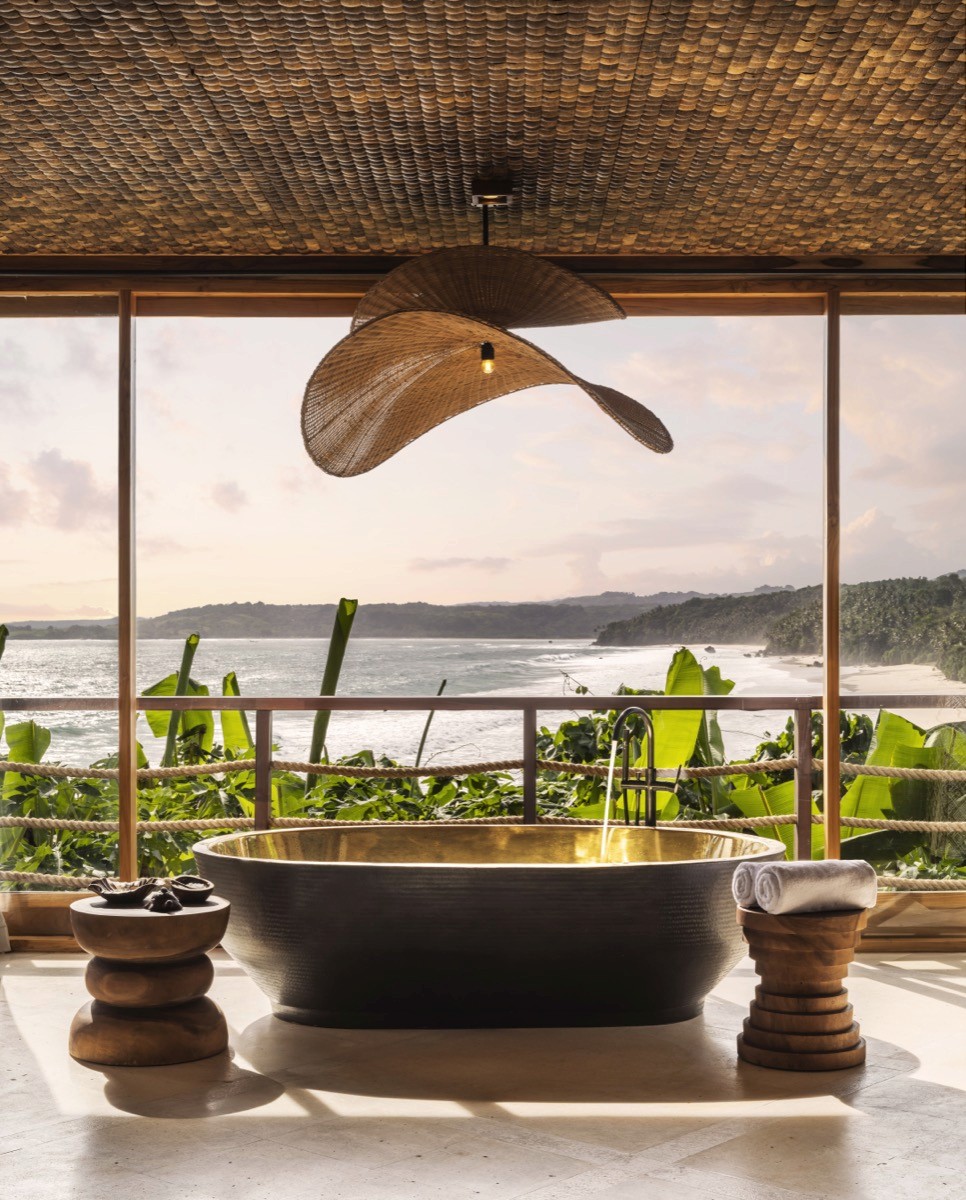
270 hectares of wild luxury and its private world-class reef
270 hectares of wild luxury and its private world-class reef
Sumba is twice the size of Bali and receives a fraction of its visitors. The island's interior runs to open savannah, horse-grazed grassland, Ikat-weaving villages, and megalithic stone burial sites. The journey to NIHI is part of the experience: fly to Bali, catch a propeller plane to Tambolaka, then drive until the road runs out at one of the most private stretches of coastline in Indonesia.
THE SURF HIDEAWAYS ADVANTAGE
Save 5% as a Surf Hideaways guest.
Sumba is twice the size of Bali and receives a fraction of its visitors. The island's interior runs to open savannah, horse-grazed grassland, Ikat-weaving villages, and megalithic stone burial sites. The journey to NIHI is part of the experience: fly to Bali, catch a propeller plane to Tambolaka, then drive until the road runs out at one of the most private stretches of coastline in Indonesia.
THE SURF HIDEAWAYS ADVANTAGE
Save 5% as a Surf Hideaways guest.
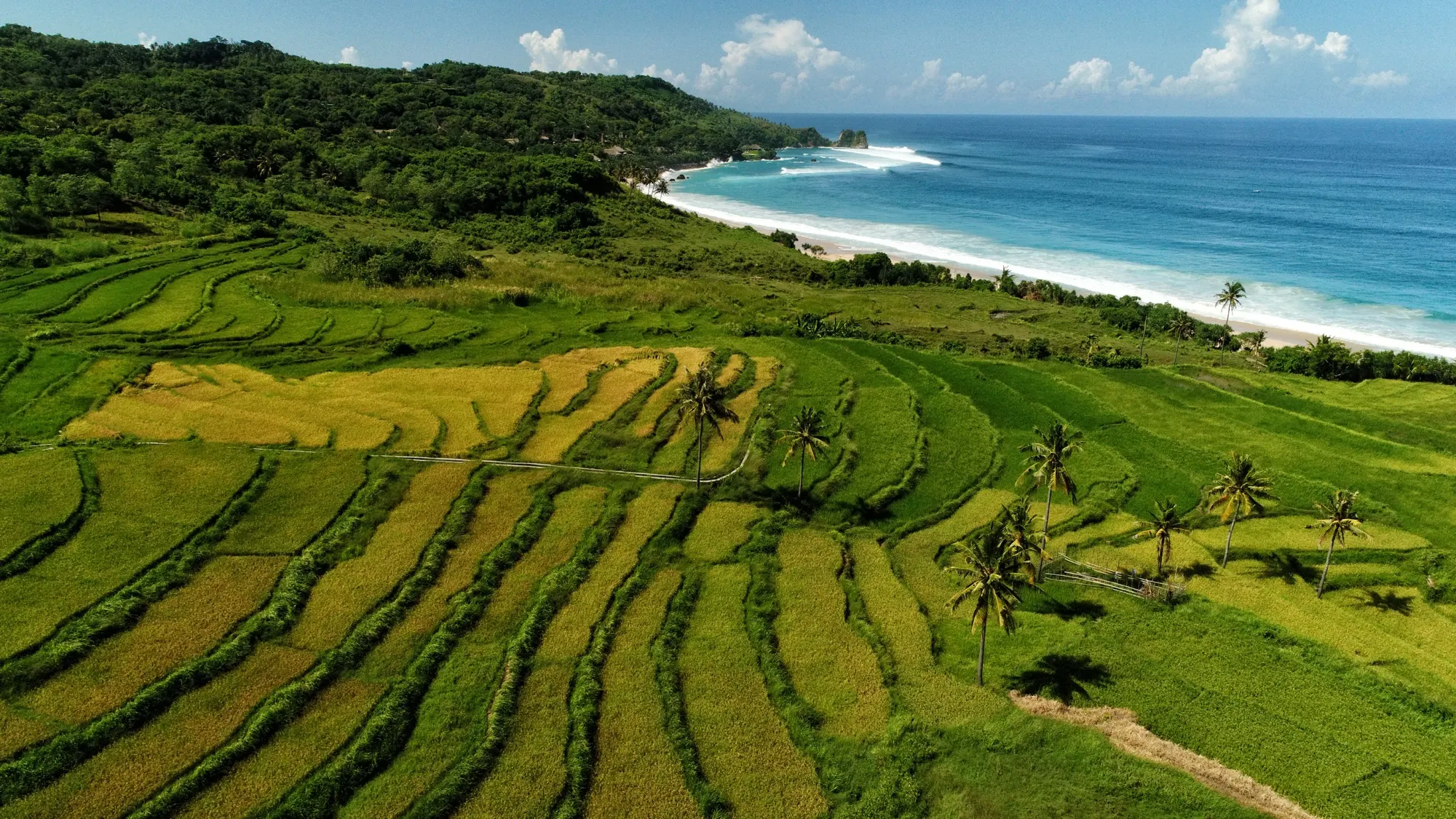
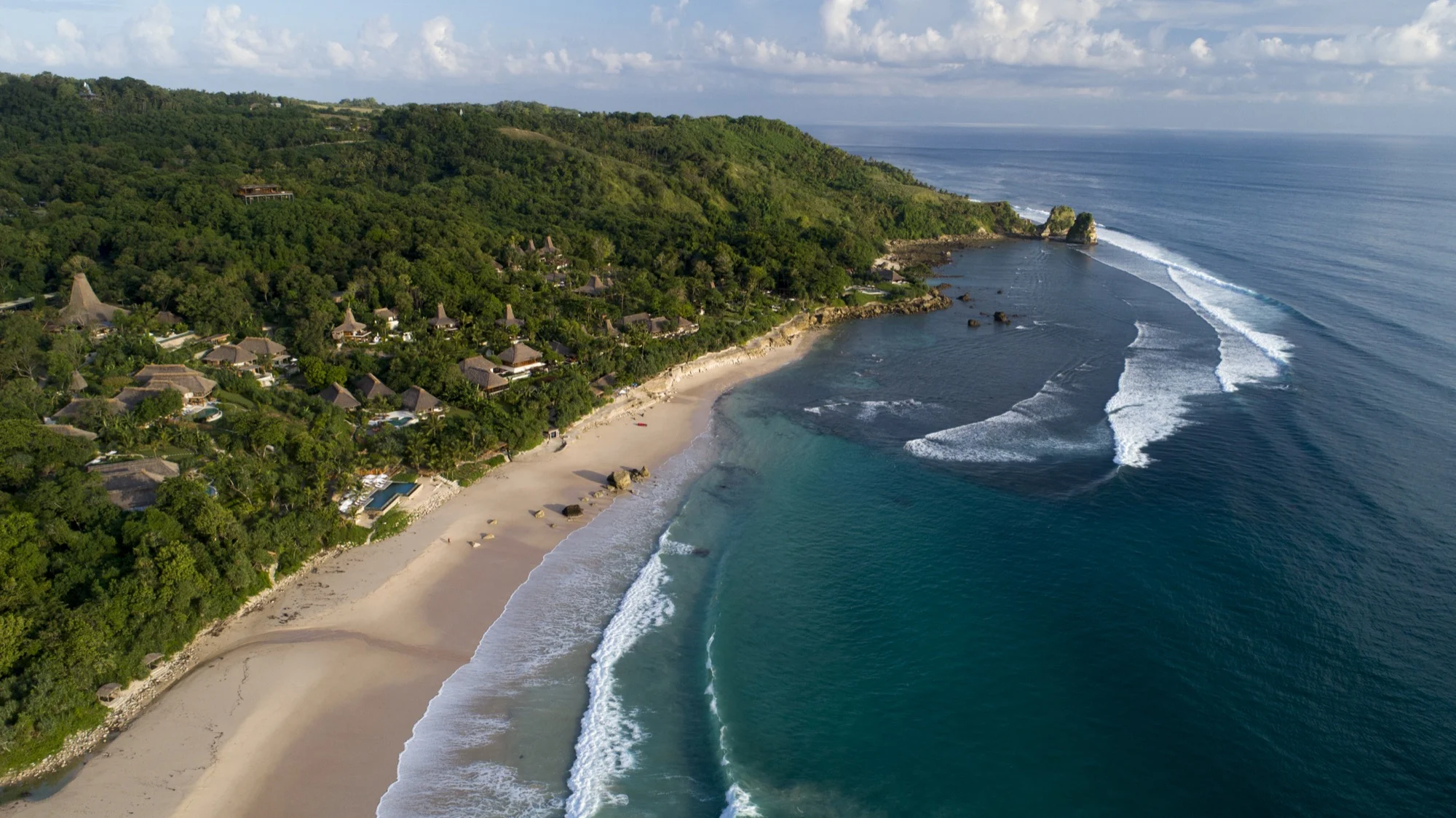
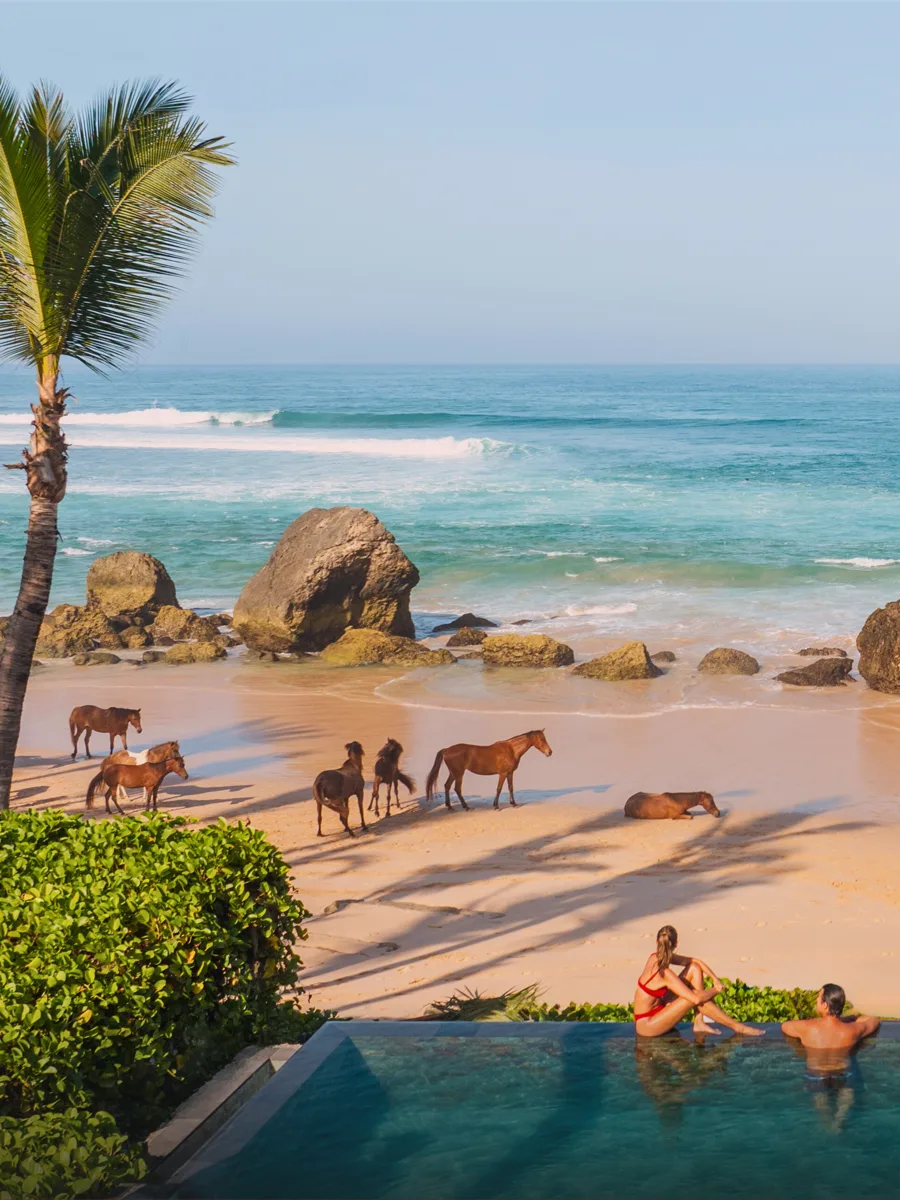
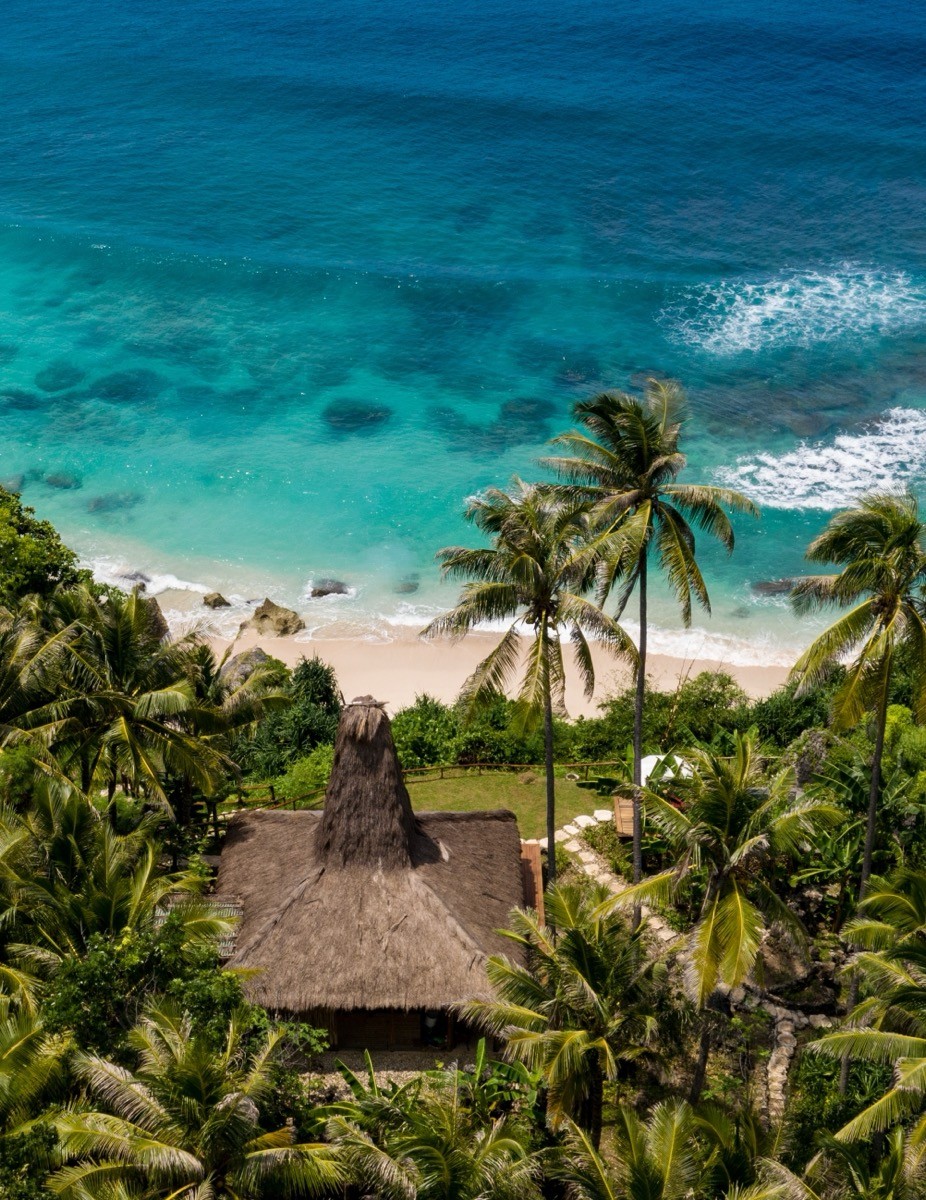
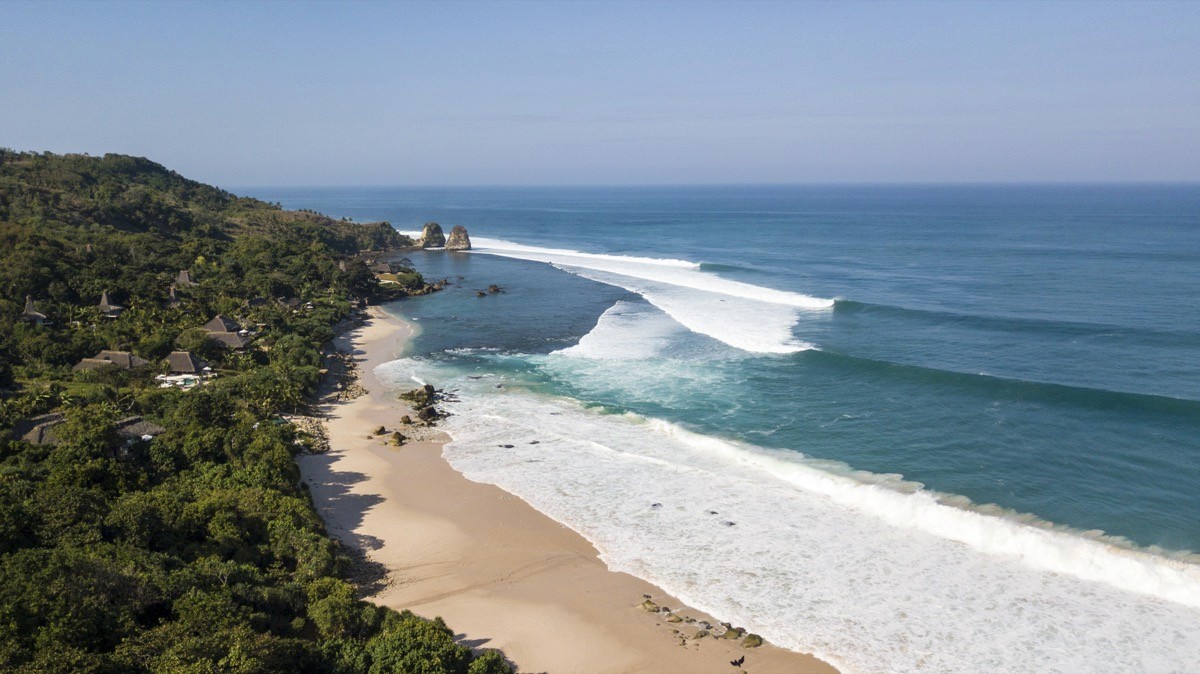
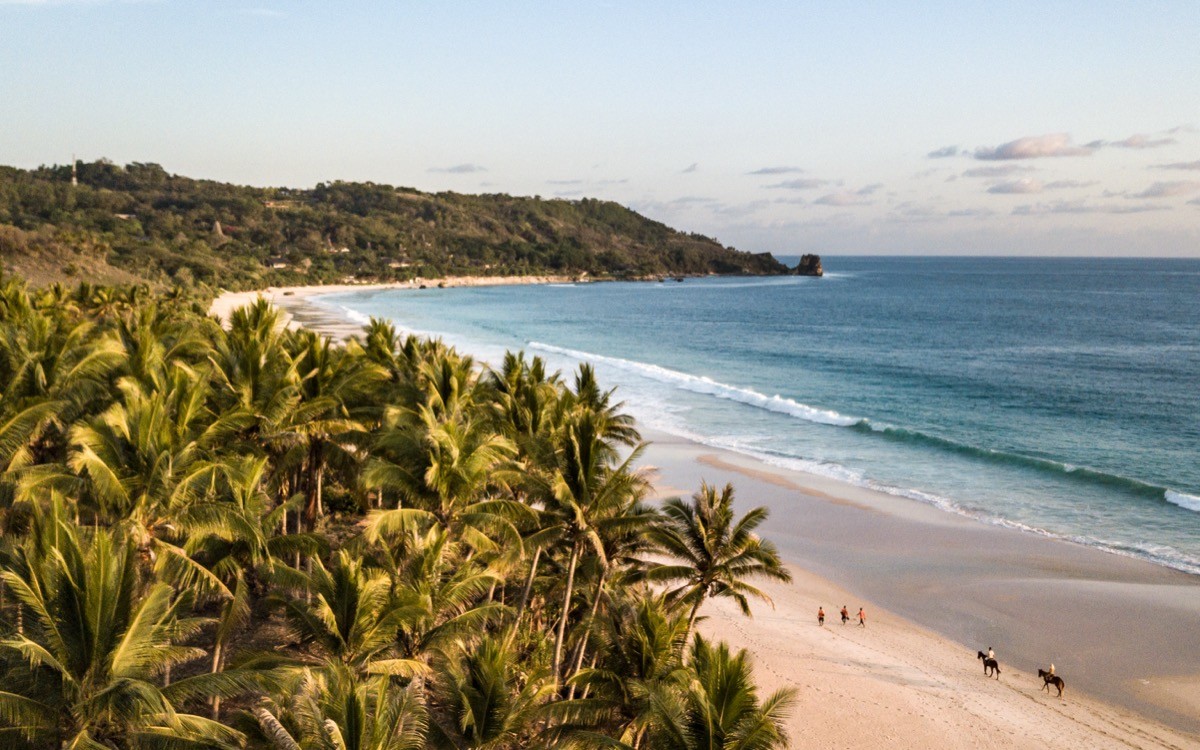
NIHI spreads across 270 hectares on Sumba's southwestern shore. Most of this land will never be built on; it exists to be protected. The architecture sits inside the landscape rather than on top of it. Thatched roofs pitch steeply in the Sumbanese tradition. Horses wander the beach at dawn. Occy's Left breaks directly offshore. On arrival, guests are met by a Kapten, a personal host assigned for the duration of the stay, who handles logistics so thoroughly that the concept of friction essentially disappears.
In 2025, NIHI received three Michelin Keys, making it one of only three resorts in Indonesia to do so. In 2024, it was recognised as Indonesia’s Best Hotel by Condé Nast Traveler and ranked #10 on The World’s 50 Best Hotels. Travel + Leisure also named it the best hotel in the world for two consecutive years. By any measure, one of the finest hotels on the planet.
NIHI spreads across 270 hectares on Sumba's southwestern shore. Most of this land will never be built on; it exists to be protected. The architecture sits inside the landscape rather than on top of it. Thatched roofs pitch steeply in the Sumbanese tradition. Horses wander the beach at dawn. Occy's Left breaks directly offshore. On arrival, guests are met by a Kapten, a personal host assigned for the duration of the stay, who handles logistics so thoroughly that the concept of friction essentially disappears.
In 2025, NIHI received three Michelin Keys, making it one of only three resorts in Indonesia to do so. In 2024, it was recognised as Indonesia’s Best Hotel by Condé Nast Traveler and ranked #10 on The World’s 50 Best Hotels. Travel + Leisure also named it the best hotel in the world for two consecutive years. By any measure, one of the finest hotels on the planet.
Rooms
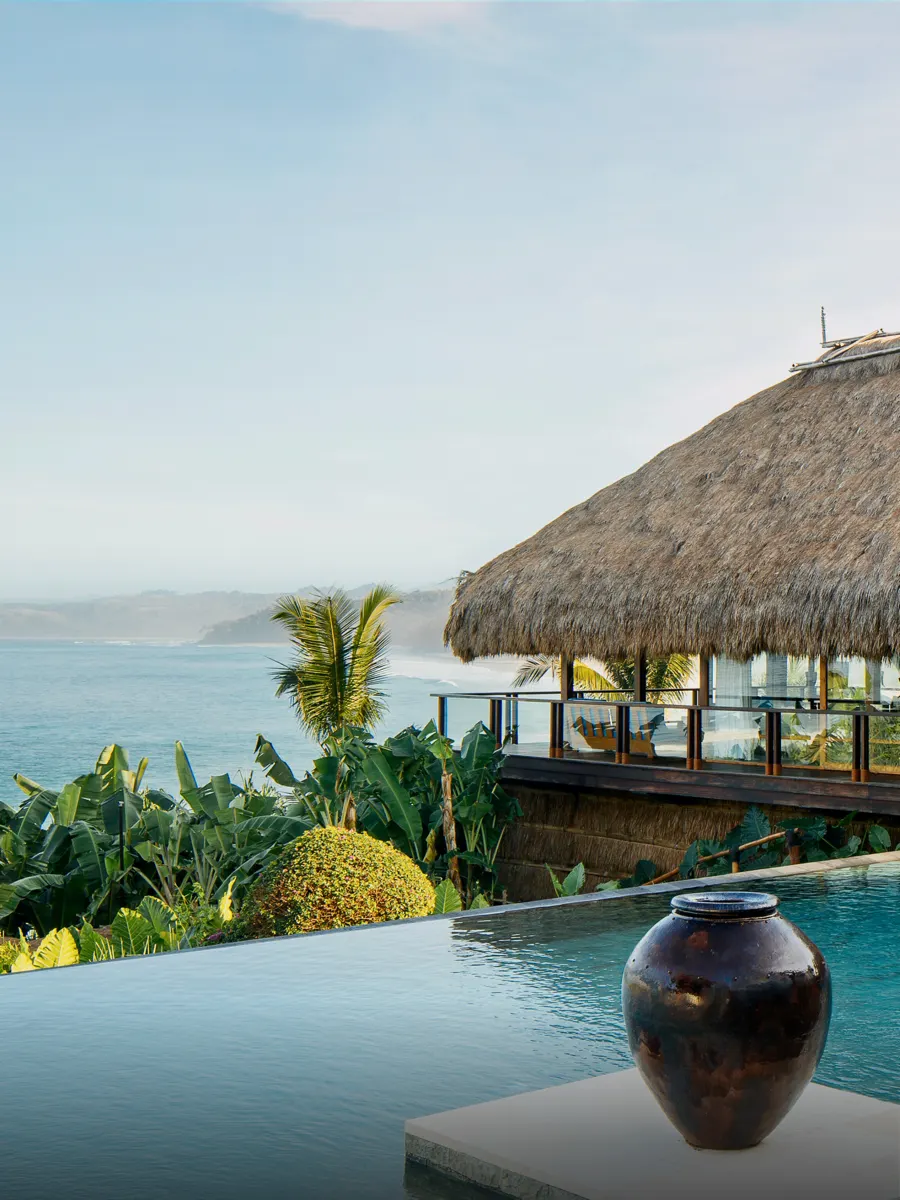
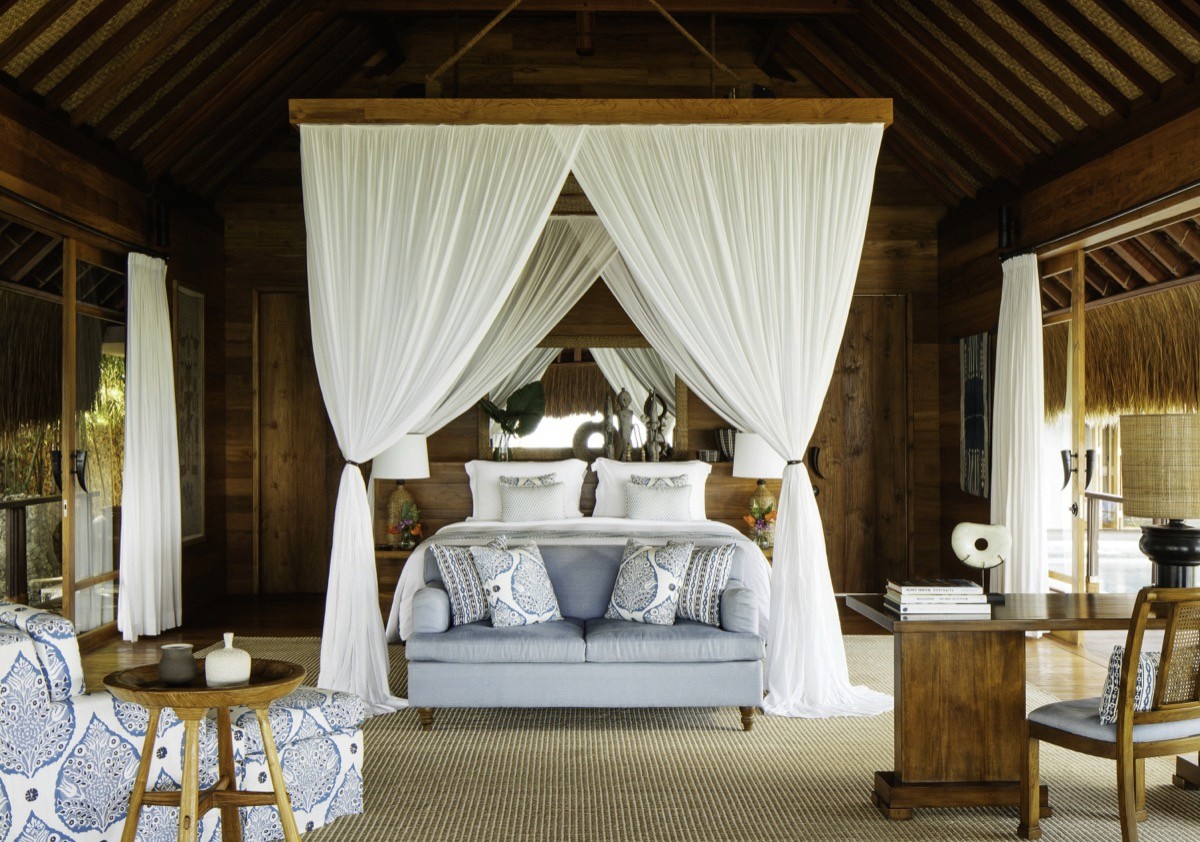
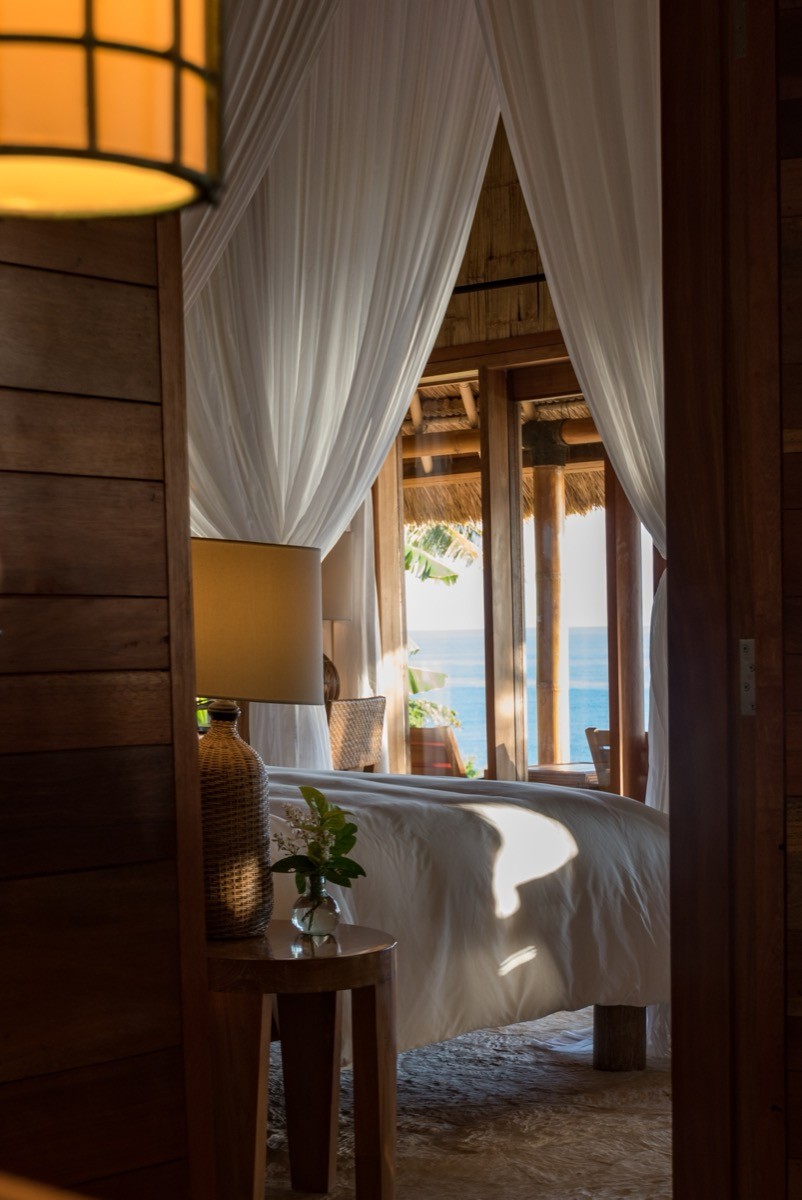
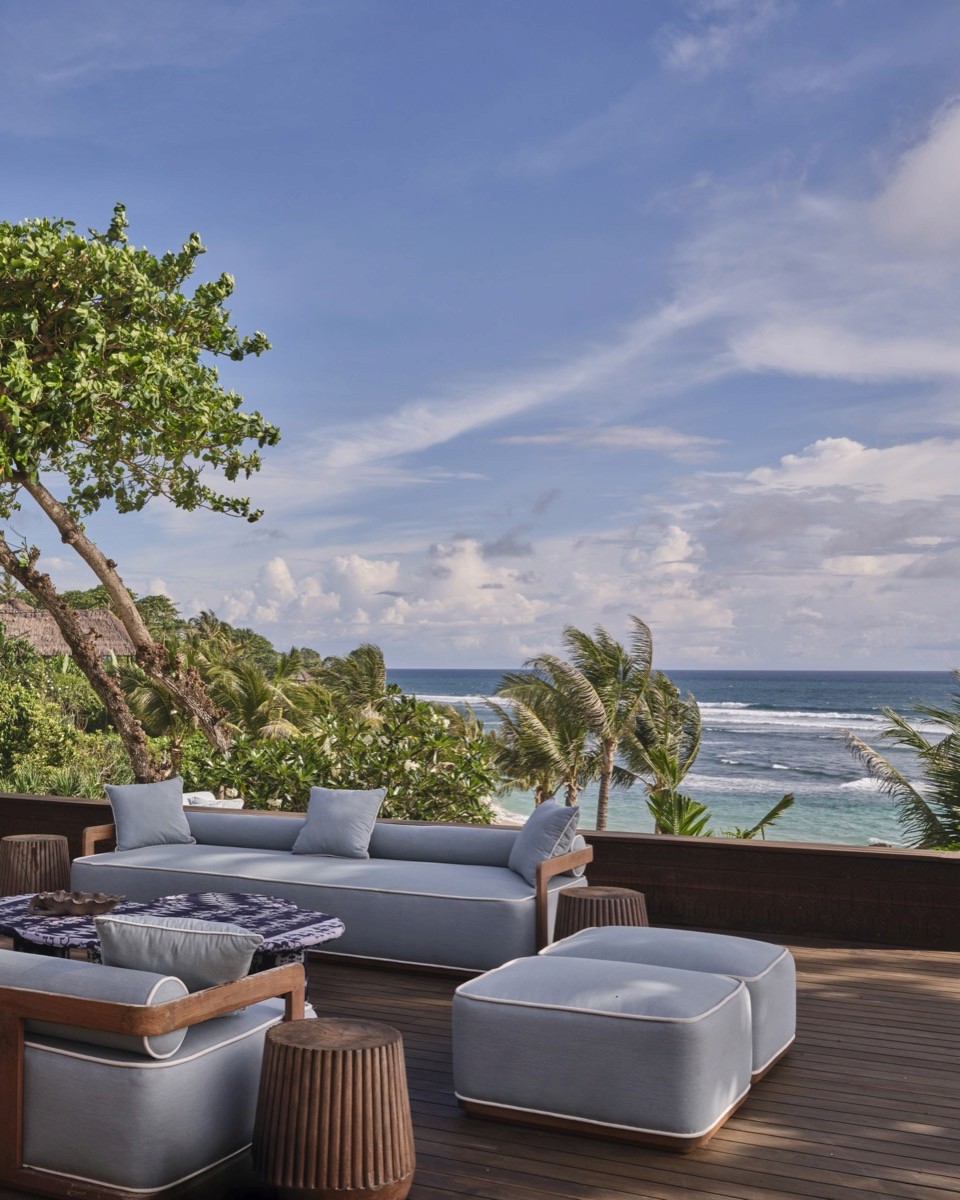
Thirty-one villas spread across the hillside and shoreline. No two are identical, though all share the same design language: steeply thatched alang-alang roofs over open timber frames, stone floors, wide verandas facing either the ocean or the jungle canopy. The structure borrows from traditional Sumbanese houses, with massive kasambi tree trunks as support columns. Interiors lean raw rather than polished.
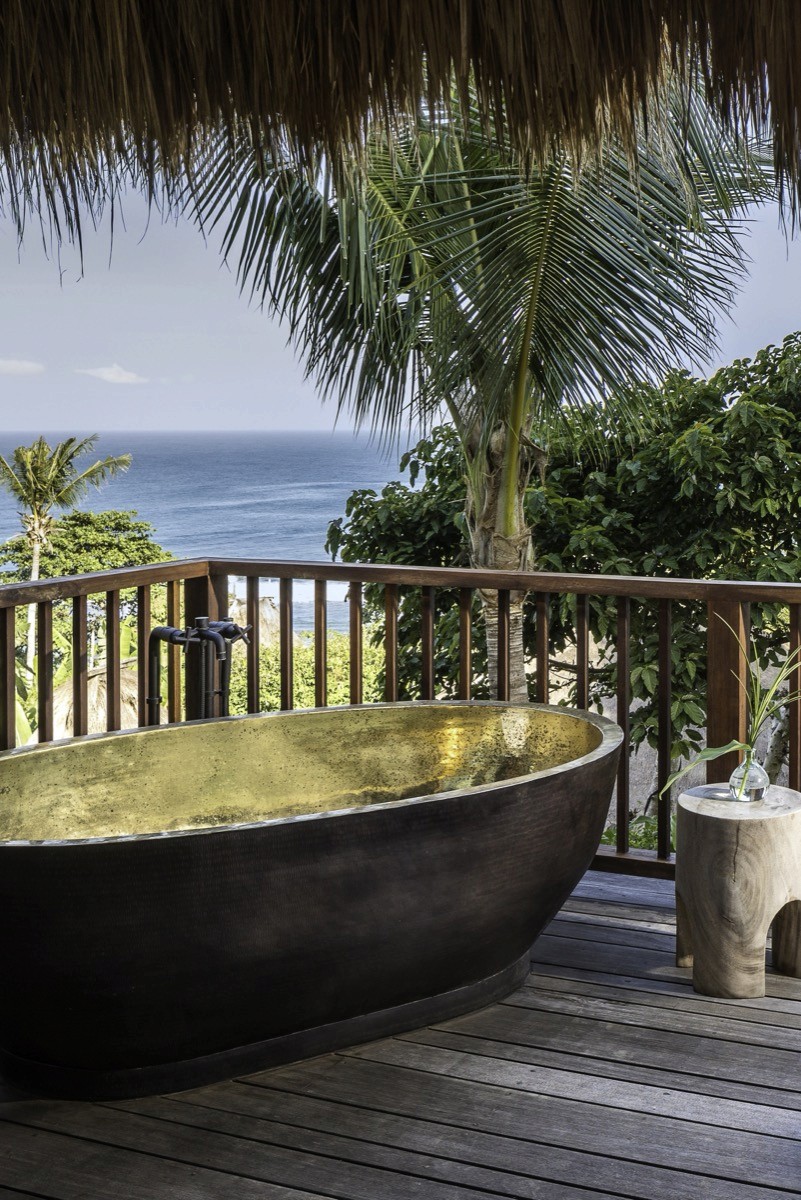
The range runs from a solo garden suite to a four-bedroom compound. The Marangga villas sit directly above the surf break; you can read the sets from the terrace before committing to the paddle out. Mandaka Surf has a private path down to the Boathouse for direct ocean access. The Mamole Treehouse is a three-bedroom structure connected by raised walkways, rising into the canopy. Hillrise, opening in 2026, is built around a 270-degree view of Occy's Left, Nihiwatu Beach, and the Indian Ocean, with an infinity-edge plunge pool and outdoor tub.
Every villa has a private pool, air conditioning, daily minibar restock, laundry, and Wi-Fi. Most have outdoor showers. Beds are large. Everything is considered, but nothing is overdone.
Thirty-one villas spread across the hillside and shoreline. No two are identical, though all share the same design language: steeply thatched alang-alang roofs over open timber frames, stone floors, wide verandas facing either the ocean or the jungle canopy. The structure borrows from traditional Sumbanese houses, with massive kasambi tree trunks as support columns. Interiors lean raw rather than polished.
The range runs from a solo garden suite to a four-bedroom compound. The Marangga villas sit directly above the surf break; you can read the sets from the terrace before committing to the paddle out. Mandaka Surf has a private path down to the Boathouse for direct ocean access. The Mamole Treehouse is a three-bedroom structure connected by raised walkways, rising into the canopy. Hillrise, opening in 2026, is built around a 270-degree view of Occy's Left, Nihiwatu Beach, and the Indian Ocean, with an infinity-edge plunge pool and outdoor tub.
Every villa has a private pool, air conditioning, daily minibar restock, laundry, and Wi-Fi. Most have outdoor showers. Beds are large. Everything is considered, but nothing is overdone.
Food & Drinks
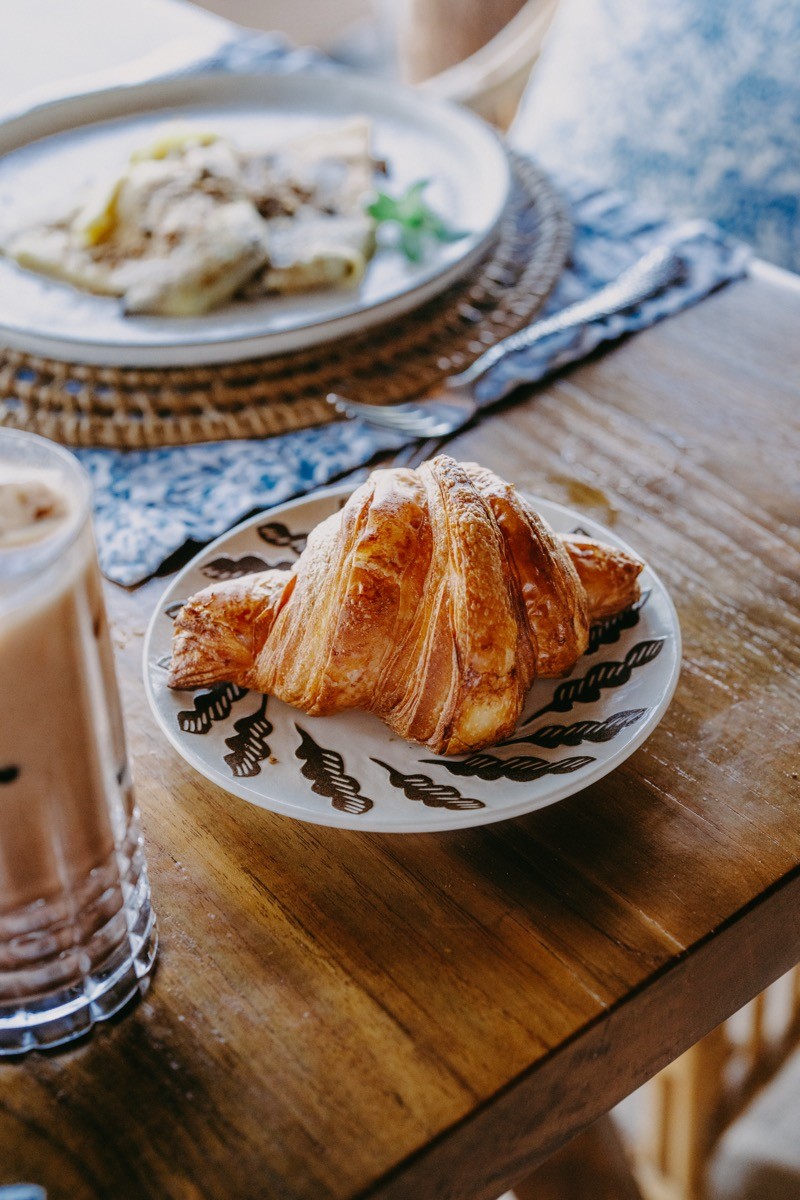
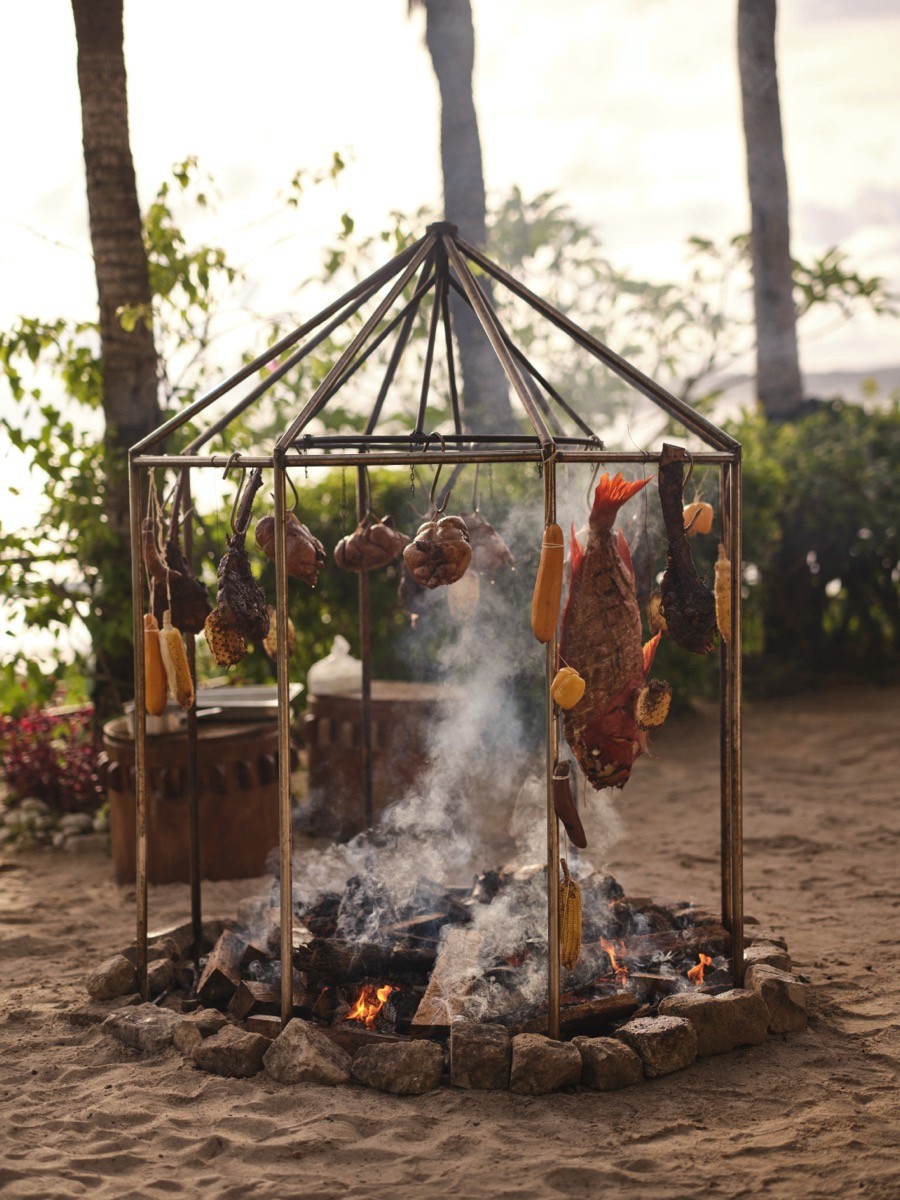
Between the restaurants, the cooking classes, the chocolate factory by the creek, and the option to dine privately in your villa, food at NIHI occupies an outsized share of the experience.
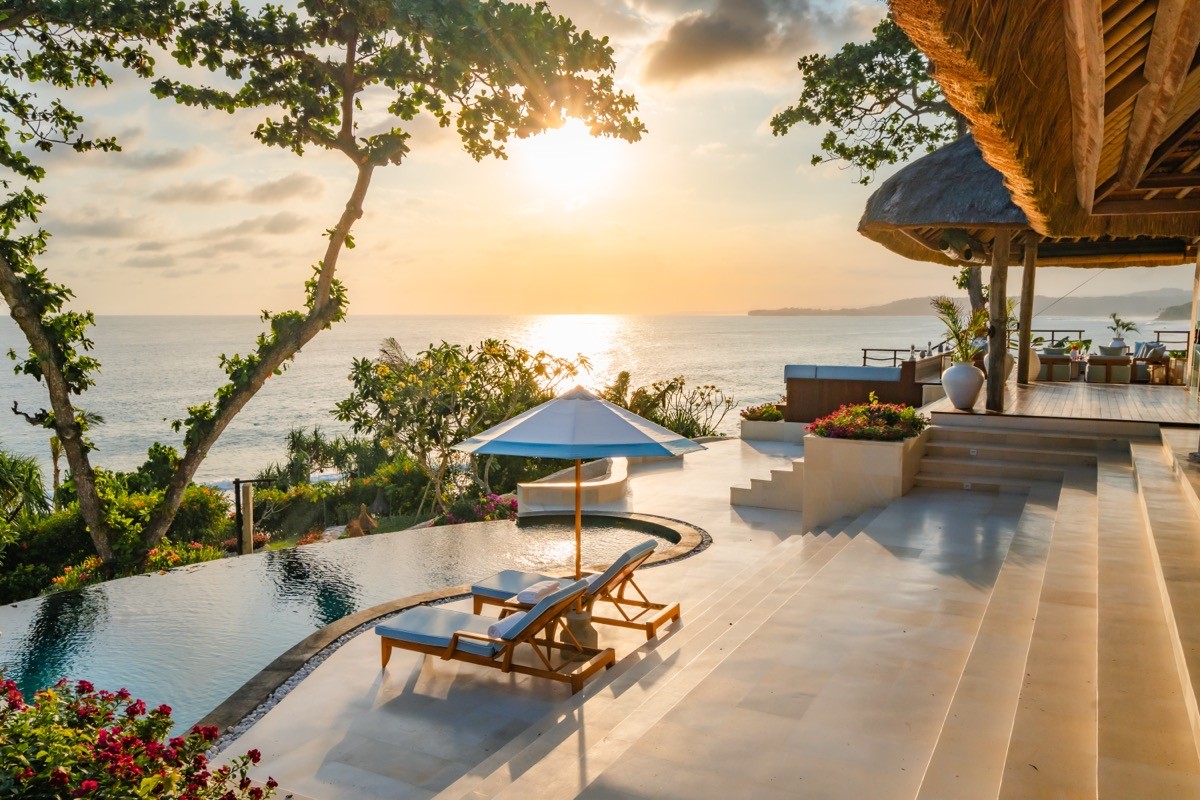
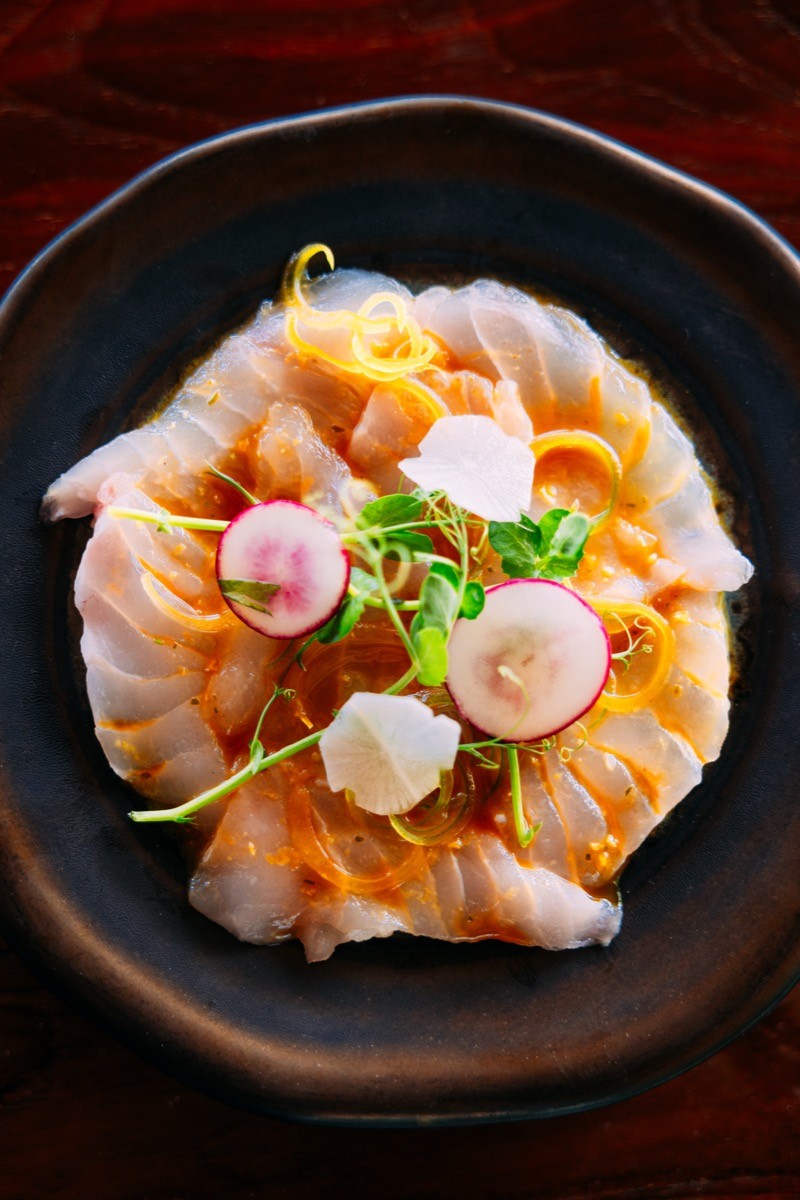
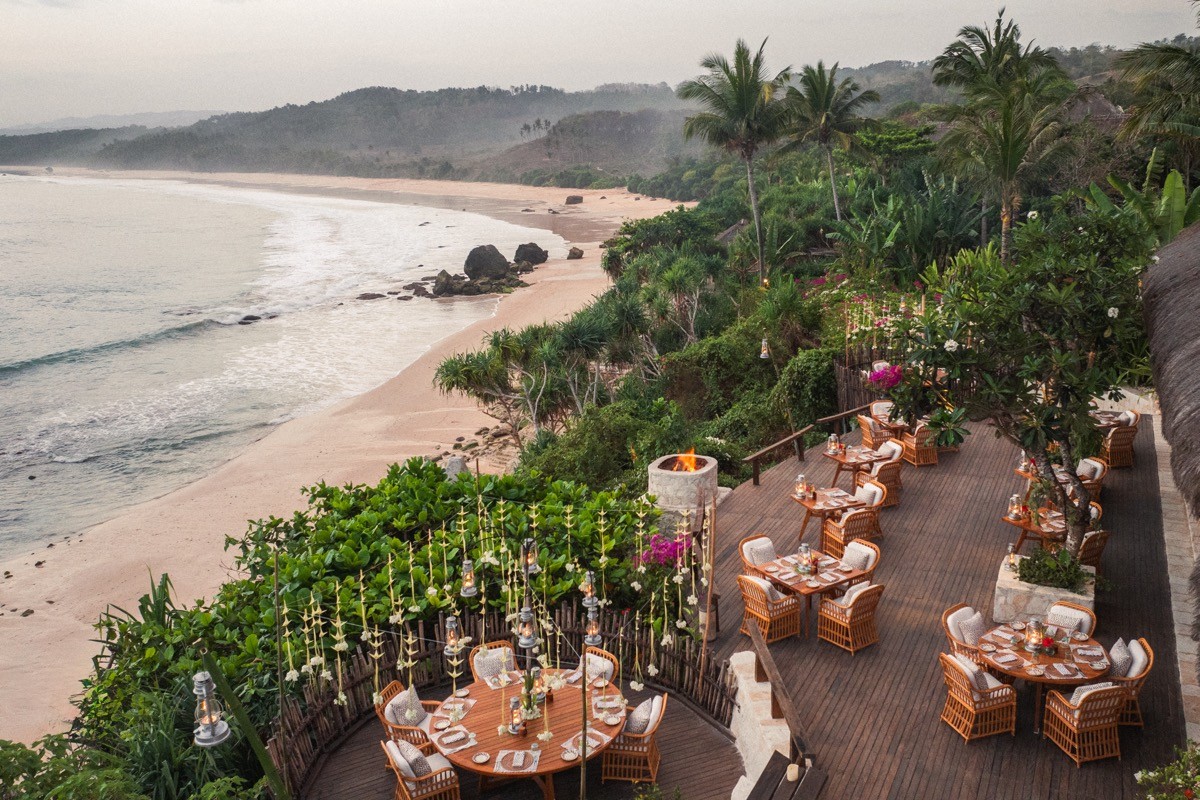
Three meals are included. Ombak, the main restaurant, has sandy floors and an open deck over the beach. Cuisine crosses Indonesian and international, with freshly caught fish and produce pulled from the on-site organic garden. Lunch moves to the Nio Beach Club by the infinity pool: grilled catch, wood-fired pizza, salads, and the better part of a beach afternoon.
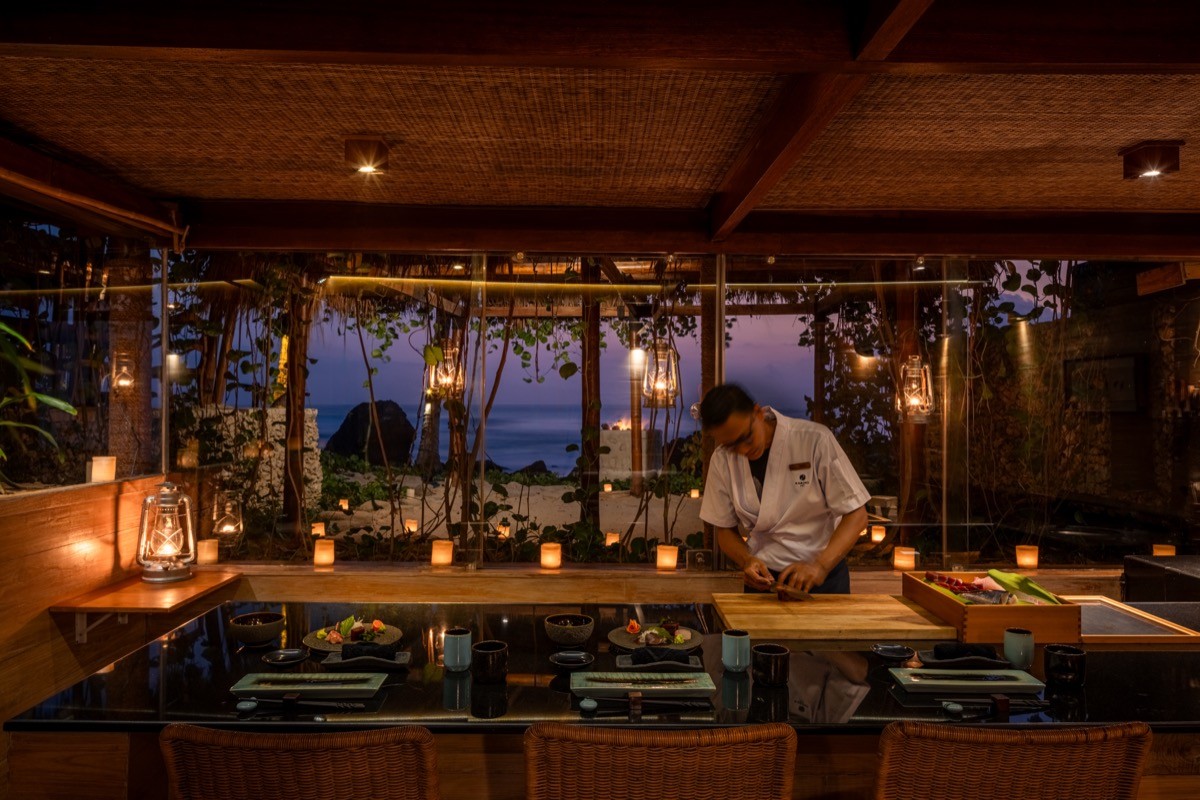
Then, there is Kaboku. Japanese omakase, seven courses, Japanese chefs, maximum six guests. The intimacy of the format makes it one of the more interesting dining rooms in eastern Indonesia. Not included in your daily rate, but worth booking before arrival or you will not get a seat.
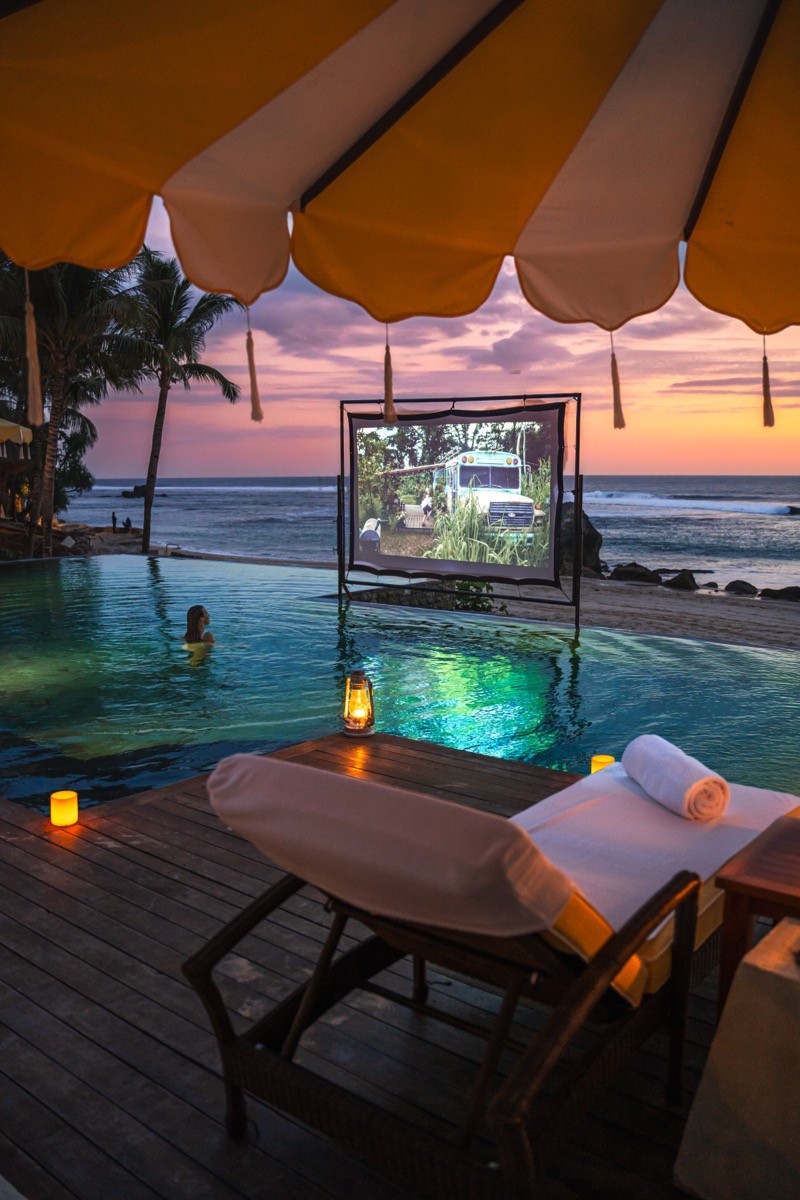
The Boathouse carries you through sunset: cocktails, coconuts, live music, and a daily Happiest Hour with free-flow beer and house wine. The week has its own social rhythm: Jungle-Themed Dinner on Mondays, Foundation Night on Wednesdays, Hats On Bottles Up Lunch on Fridays, White Party Dinner on Saturdays, and Movie Night Under the Stars on Sundays. You won’t slip into routine.
Between the restaurants, the cooking classes, the chocolate factory by the creek, and the option to dine privately in your villa, food at NIHI occupies an outsized share of the experience.
Three meals are included. Ombak, the main restaurant, has sandy floors and an open deck over the beach. Cuisine crosses Indonesian and international, with freshly caught fish and produce pulled from the on-site organic garden. Lunch moves to the Nio Beach Club by the infinity pool: grilled catch, wood-fired pizza, salads, and the better part of a beach afternoon.
Then, there is Kaboku. Japanese omakase, seven courses, Japanese chefs, maximum six guests. The intimacy of the format makes it one of the more interesting dining rooms in eastern Indonesia. Not included in your daily rate, but worth booking before arrival or you will not get a seat.
The Boathouse carries you through sunset: cocktails, coconuts, live music, and a daily Happiest Hour with free-flow beer and house wine. The week has its own social rhythm: Jungle-Themed Dinner on Mondays, Foundation Night on Wednesdays, Hats On Bottles Up Lunch on Fridays, White Party Dinner on Saturdays, and Movie Night Under the Stars on Sundays. You won’t slip into routine.
Surfing
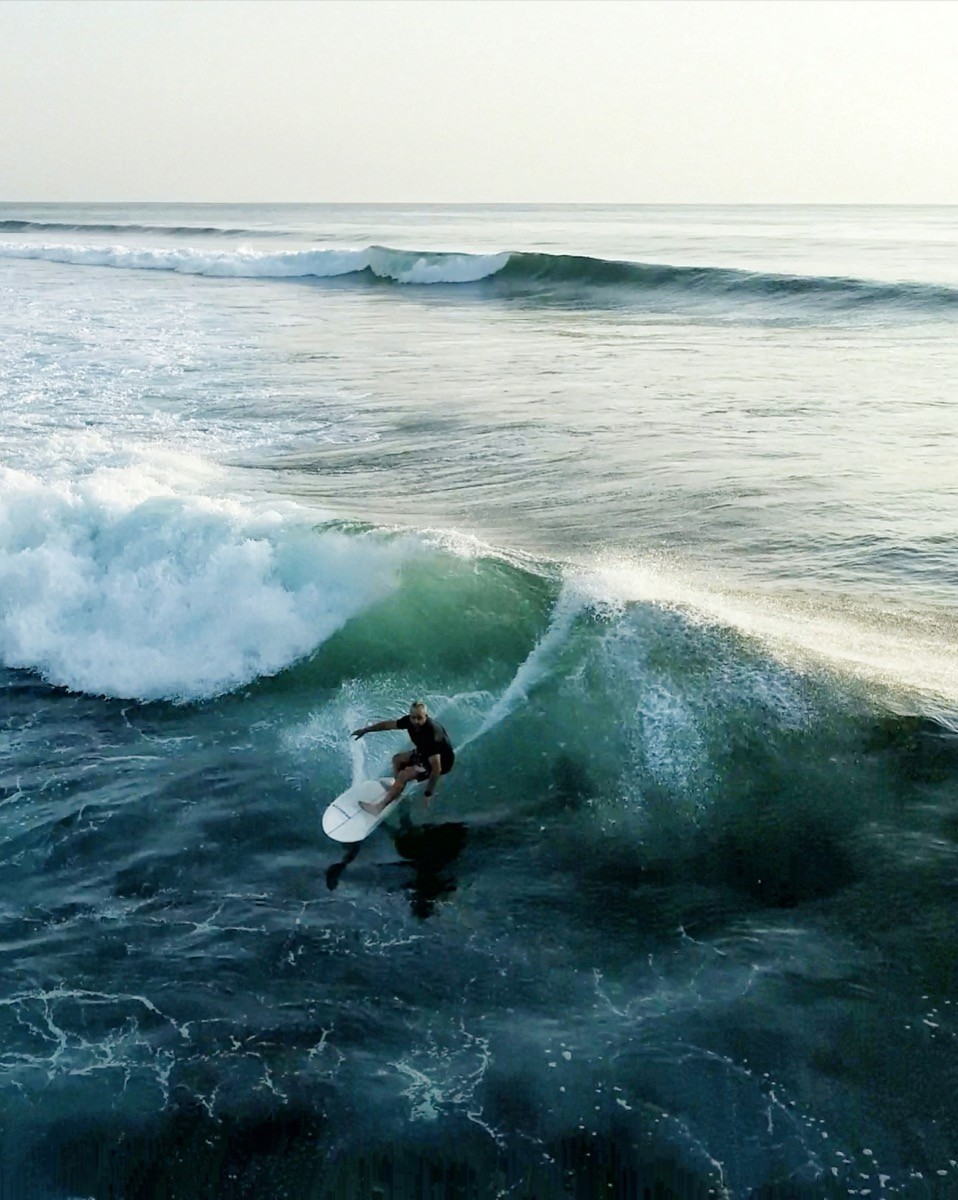
Occy's Left is the reason NIHI exists. For most surfers, it is why they make the trip. It was named after Australian world champion Mark Occhilupo, who surfed it in Jack McCoy's cult 1990s film The Green Iguana.
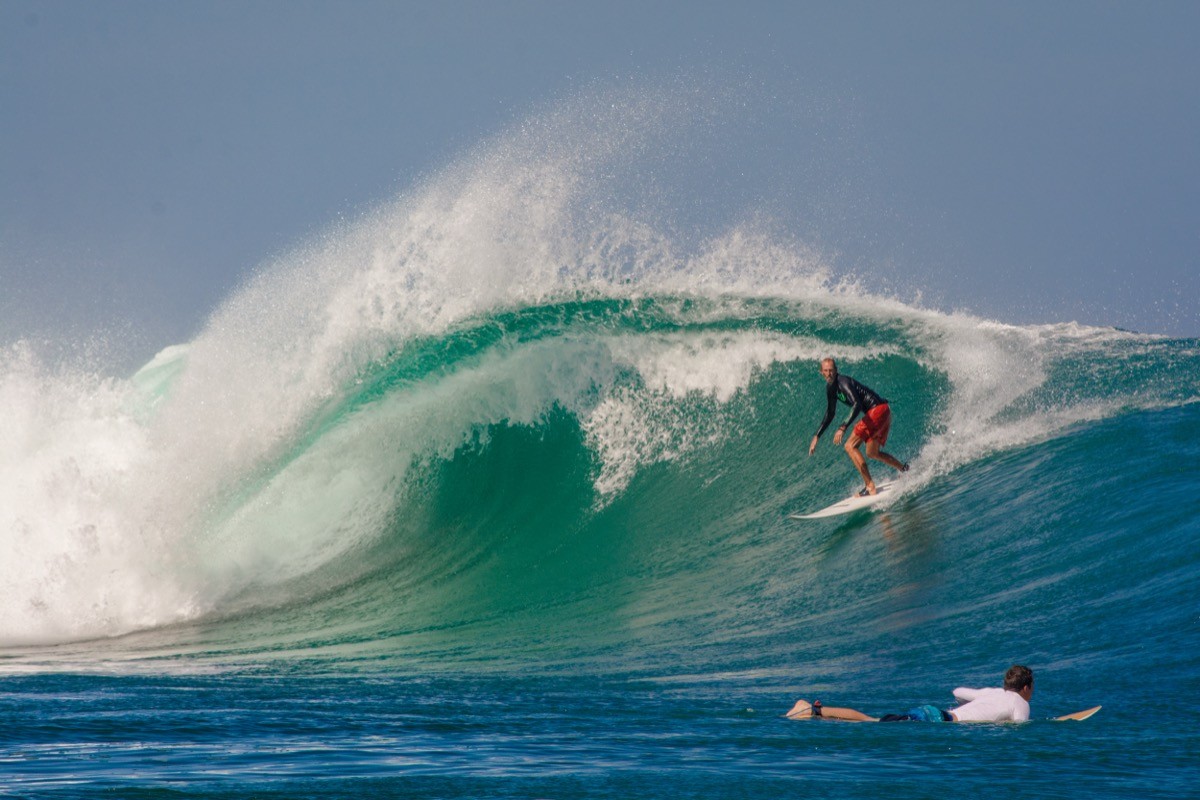
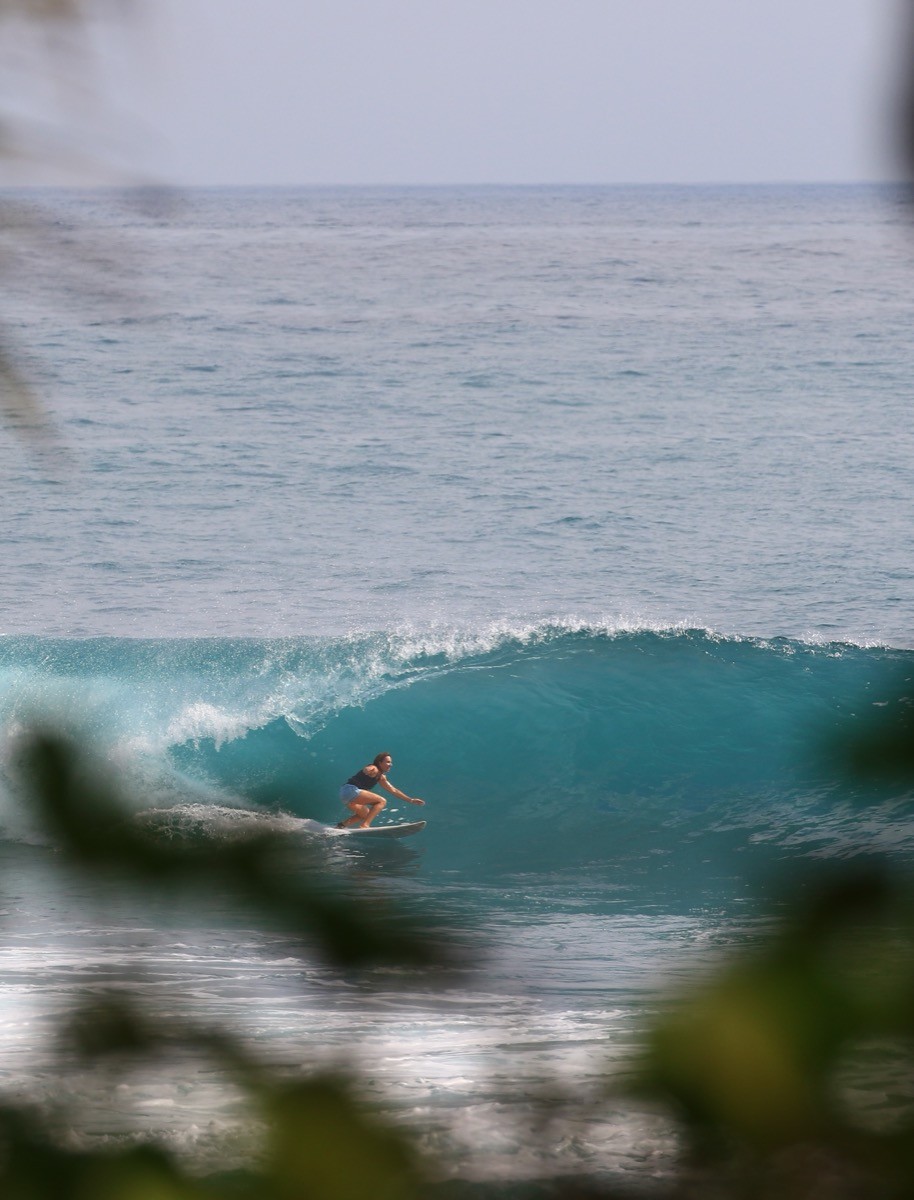
The wave receives Indian Ocean swell that has crossed thousands of kilometres without obstruction, breaking across a sculpted coral reef and peeling for around 300 metres: wide, steep walls for generating speed, barrel sections that open when the swell has size. Access is capped at fifteen surfers per day, a hard limit enforced to protect the reef and the experience. Register your surf slot at booking or risk missing out. Experienced surfers only. Jet ski safety support is available.
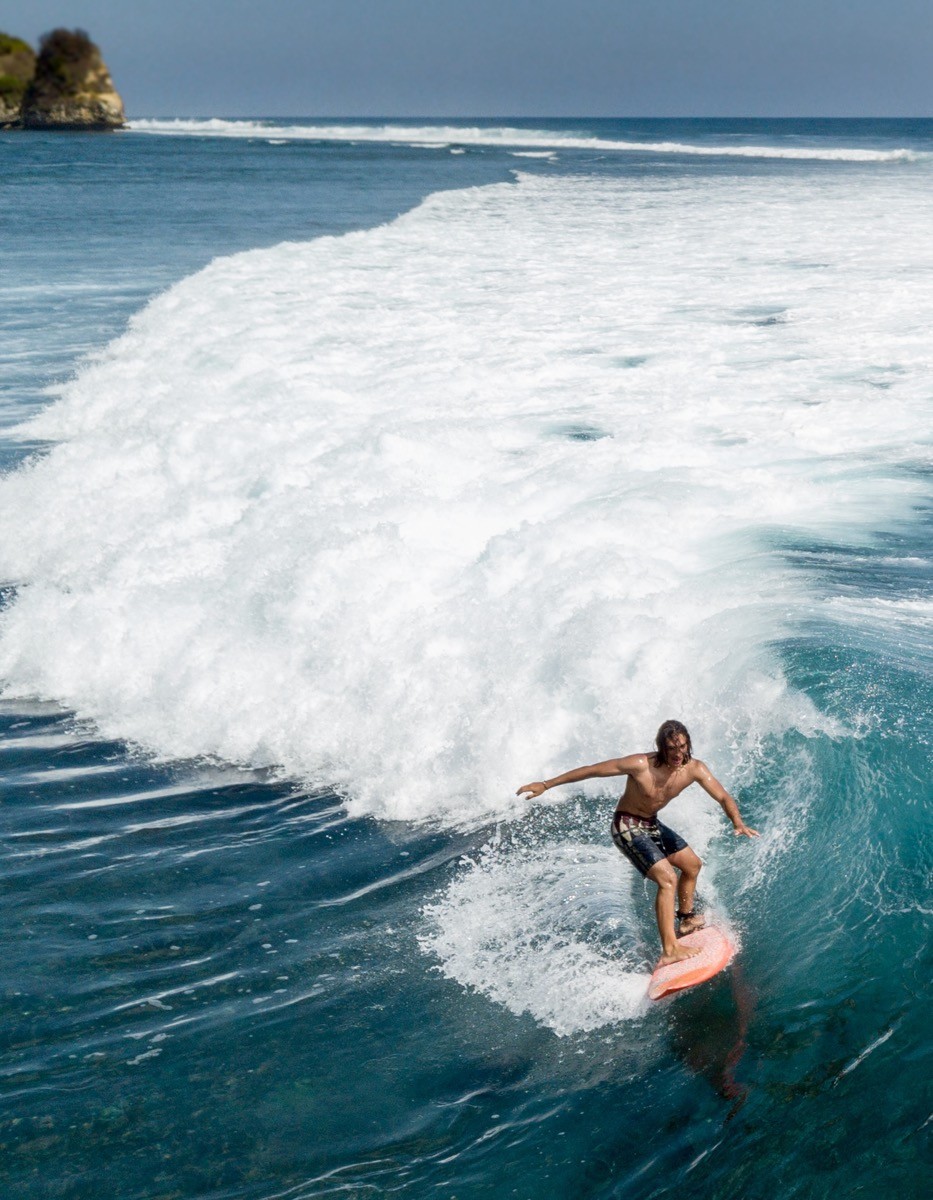
Beyond the house break, a Surfari programme runs boat and road trips to breaks along the surrounding coastline. Rua sits in a sheltered bay with mellow lefts and rights, making it ideal for intermediates looking to find their rhythm. Wanukaka is a powerful right-hander in the right conditions, working best between March and May and from October through January.
Beginners can get lessons on Nihiwatu beach when the swell allows. Calmer waters can also be found at nearby Coconut Cove, where surfers can spend half a day with breakfast or lunch, surf, and then be driven back to the resort.
The dry season from April to November brings the most consistent swell, with the biggest days between May and September. Green season, December to March, has smaller conditions, suiting intermediates.
Occy's Left is the reason NIHI exists. For most surfers, it is why they make the trip. It was named after Australian world champion Mark Occhilupo, who surfed it in Jack McCoy's cult 1990s film The Green Iguana.
The wave receives Indian Ocean swell that has crossed thousands of kilometres without obstruction, breaking across a sculpted coral reef and peeling for around 300 metres: wide, steep walls for generating speed, barrel sections that open when the swell has size. Access is capped at fifteen surfers per day, a hard limit enforced to protect the reef and the experience. Register your surf slot at booking or risk missing out. Experienced surfers only. Jet ski safety support is available.
Beyond the house break, a Surfari programme runs boat and road trips to breaks along the surrounding coastline. Rua sits in a sheltered bay with mellow lefts and rights, making it ideal for intermediates looking to find their rhythm. Wanukaka is a powerful right-hander in the right conditions, working best between March and May and from October through January.
Beginners can get lessons on Nihiwatu beach when the swell allows. Calmer waters can also be found at nearby Coconut Cove, where surfers can spend half a day with breakfast or lunch, surf, and then be driven back to the resort.
The dry season from April to November brings the most consistent swell, with the biggest days between May and September. Green season, December to March, has smaller conditions, suiting intermediates.
Activities
Ten minutes from the resort by road, the Nihioka Spa is a hundred-acre property set between rice fields, jungle, and two private beaches. Treatments run a minimum of 90 minutes. The Spa Safari is the full version of the offer: start with either a 120-minute trek, a horseback ride, or a safari-style drive along the coast. You arrive to a coconut, a treehouse meal, and then somewhere between two and five hours of treatments. The Equine Wellness programme is based here, using NIHI's retired Sumba Sea Horses as part of the therapeutic work.
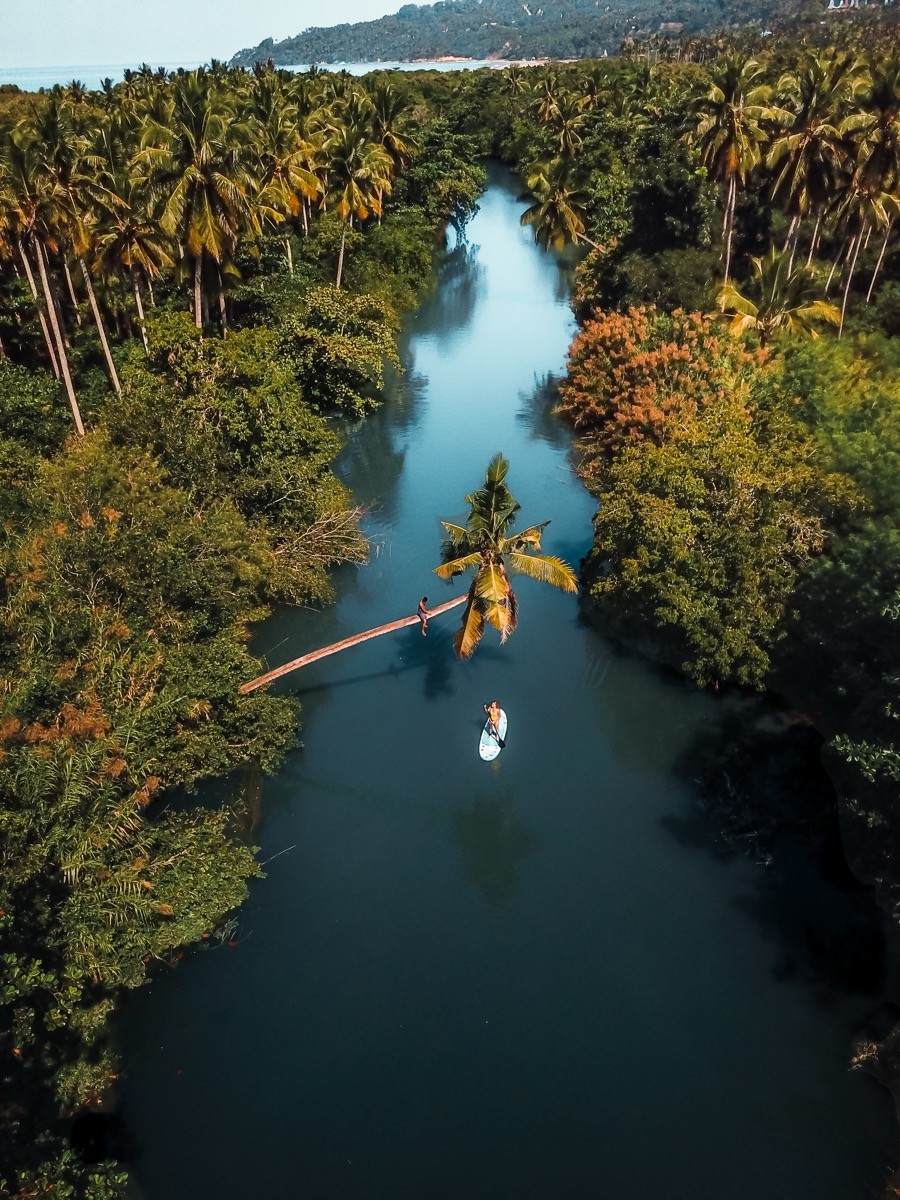
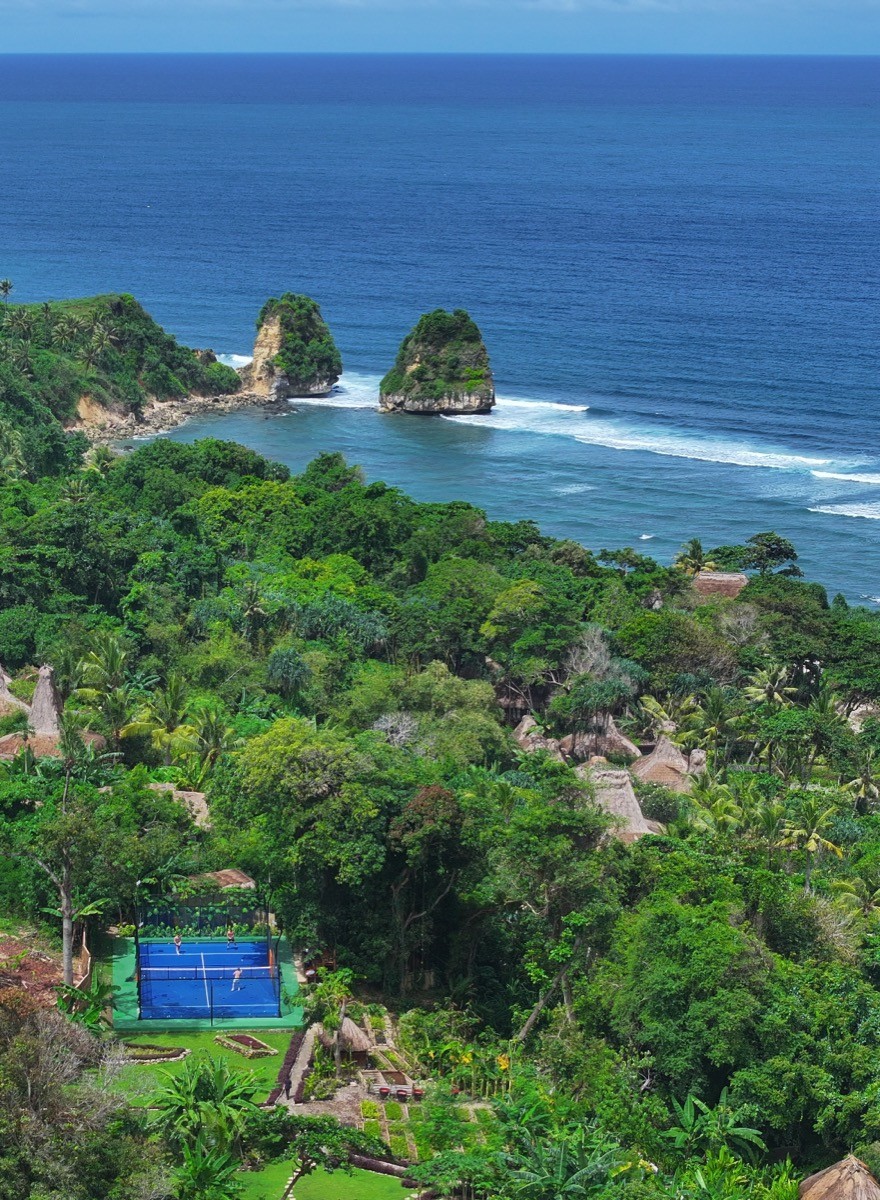
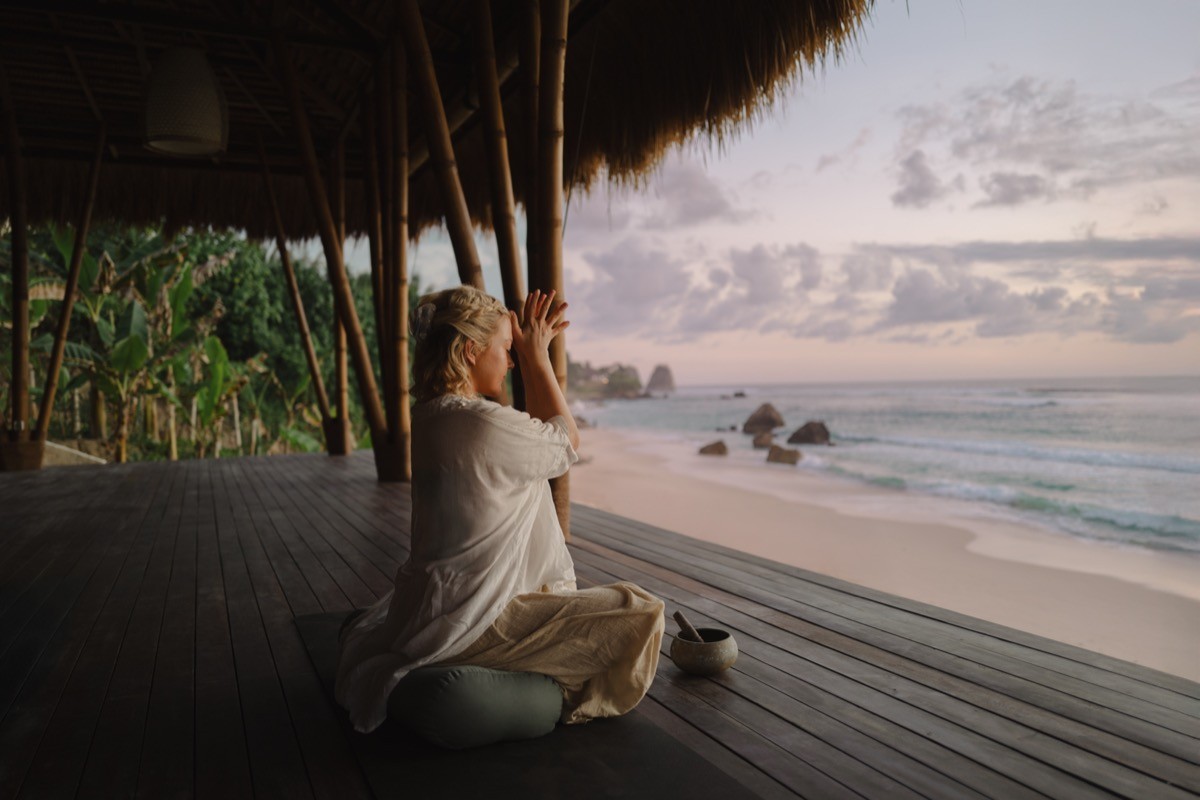
Back at the resort, the activity programme runs deep enough to fill a week without repetition. In the water: swimming with horses, seven miles of SUP down the Wanukaka River from jungle to sea, snorkelling, free diving, spearfishing, deep-sea fishing, and boat charters to empty beaches. On land: horse trail riding, Land Rover safaris into the interior, hikes to the Lapopu and Blue waterfalls, village and market visits, cooking classes, padel and pickleball. Yoga and meditation sessions are included in the rate.
Prepare a shortlist before arrival to avoid decision paralysis.
Ten minutes from the resort by road, the Nihioka Spa is a hundred-acre property set between rice fields, jungle, and two private beaches. Treatments run a minimum of 90 minutes. The Spa Safari is the full version of the offer: start with either a 120-minute trek, a horseback ride, or a safari-style drive along the coast. You arrive to a coconut, a treehouse meal, and then somewhere between two and five hours of treatments. The Equine Wellness programme is based here, using NIHI's retired Sumba Sea Horses as part of the therapeutic work.
Back at the resort, the activity programme runs deep enough to fill a week without repetition. In the water: swimming with horses, seven miles of SUP down the Wanukaka River from jungle to sea, snorkelling, free diving, spearfishing, deep-sea fishing, and boat charters to empty beaches. On land: horse trail riding, Land Rover safaris into the interior, hikes to the Lapopu and Blue waterfalls, village and market visits, cooking classes, padel and pickleball. Yoga and meditation sessions are included in the rate.
Prepare a shortlist before arrival to avoid decision paralysis.
The People Behind
In 1988, Claude Graves, an American surfer, and his German wife Petra hiked across western Sumba in search of the perfect wave. They pitched a tent on Nihiwatu Beach, and never left. At the time, the island had no running water, electricity, or reliable medical infrastructure. The malaria rate in surrounding villages was among the highest in Indonesia. Those conditions pushed them to found the Sumba Foundation alongside the resort, using tourism as a way to support basic health, water access, and education.
In 2012, American entrepreneur Chris Burch and partner James McBride acquired NIHI to make it one of the best resorts in the world. NIHI evolved. The philanthropic roots were not abandoned, but expanded. The Burch Family Foundation funds health, education, and skills training. The Kuda Heritage Project delivers veterinary care to horses in remote villages while mentoring local youth. English Goes to Kampung extends education access across the island. The Sumba Hospitality Foundation trains young Sumbanese for careers in the industry sustaining part of their island.
The numbers tell the story more honestly than any mission statement. Water stations serving over 30,000 people across 200 villages. Four clinics. A 93 per cent reduction in malaria. Over 400 hospitality school graduates. 93 per cent of staff hired from local communities. Plenty of hotels claim to be connected to community. NIHI can point to infrastructure, training, and jobs.
In 1988, Claude Graves, an American surfer, and his German wife Petra hiked across western Sumba in search of the perfect wave. They pitched a tent on Nihiwatu Beach, and never left. At the time, the island had no running water, electricity, or reliable medical infrastructure. The malaria rate in surrounding villages was among the highest in Indonesia. Those conditions pushed them to found the Sumba Foundation alongside the resort, using tourism as a way to support basic health, water access, and education.
In 2012, American entrepreneur Chris Burch and partner James McBride acquired NIHI to make it one of the best resorts in the world. NIHI evolved. The philanthropic roots were not abandoned, but expanded. The Burch Family Foundation funds health, education, and skills training. The Kuda Heritage Project delivers veterinary care to horses in remote villages while mentoring local youth. English Goes to Kampung extends education access across the island. The Sumba Hospitality Foundation trains young Sumbanese for careers in the industry sustaining part of their island.
The numbers tell the story more honestly than any mission statement. Water stations serving over 30,000 people across 200 villages. Four clinics. A 93 per cent reduction in malaria. Over 400 hospitality school graduates. 93 per cent of staff hired from local communities. Plenty of hotels claim to be connected to community. NIHI can point to infrastructure, training, and jobs.
Booking
FROM
$1,307
USD
per night
THE SURF HIDEAWAYS ADVANTAGE
Save 5% as a Surf Hideaways guest using the link below.
What is included
Roundtrip airport transfer in a shared Safari Car
Three daily meals (breakfast, lunch, dinner) and all non-alcoholic drinks
In-villa mini bar (1 full restock per day)
Laundry
Happiest Hour, daily from 5:30pm to 6:30pm with free-flow domestic beers and house wine
Complimentary weekly activities
Complimentary tour of projects by The Sumba Foundation
Padel & Pickleball from 6:00am to 9:00pm
Water Activities: Stand-up paddle boarding and snorkeling around Nihiwatu Beach (when weather conditions permit)
Scheduled group yoga & meditation classes
FROM
$1,307
USD
per night
THE SURF HIDEAWAYS ADVANTAGE
Save 5% as a Surf Hideaways guest using the link below.